Nvidia Reinstates Jensen Huang as CEO After National Security Review
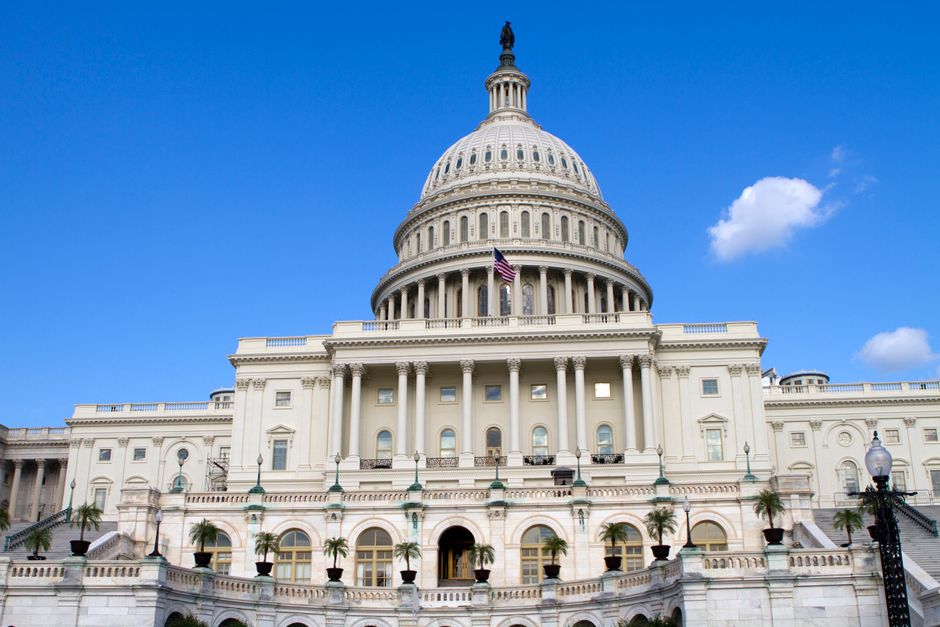
A unanimous board vote and reported US government input resolved a two-week leadership vacuum at the dominant US AI chip supplier, with direct implications for congressional oversight of foreign...
Bottom Line
Confirmed means supported by a primary source or strong independent sources; Disputed means credible sources conflict; Open means no solid primary source evidence either way.
- ConfirmedNvidia's board voted unanimously to reinstate Jensen Huang as CEO, president, and director on November 23, 2026, according to the New York Post.
- ConfirmedThe board stated it received input from senior US government officials before concluding Huang's return posed no national security risk, per the New York Post.
- OpenThe specific US government agency or agencies that provided national security input to the board have not been identified in any public record.
- OpenThe nature and outcome of any formal government investigation into the alleged Chinese intelligence connection have not been disclosed.
Nvidia's board of directors voted unanimously on November 23, 2026 to reinstate Jensen Huang as the company's president, chief executive, and a member of its board, less than two weeks after his resignation amid a sex scandal involving a person described as a suspected Chinese intelligence operative, according to the New York Post. Nvidia shares rose nearly 27 percent in premarket trading following the announcement. (Confirmed)
This story separates documented fact from theory and opinion, with interpretation marked as Analysis.
The board stated in its announcement, quoted by the New York Post, that it had received input from senior US government officials and that those communications left directors confident Huang's return posed no national security risk. The board's statement reads in part: "The Board believes Jensen is t" (the New York Post quote was truncated in available source material). The specific agency or agencies that provided input were not named in the announcement or in available reporting. (Open)
The congressional angle is direct. Nvidia is the dominant US supplier of graphics processing units used for artificial intelligence training and inference. The company holds contracts and relationships across the US defense and intelligence technology base. Congressional committees with jurisdiction over national security, including the Senate Armed Services Committee and the House Select Committee on the Chinese Communist Party, have ongoing oversight mandates that cover foreign influence in the semiconductor supply chain.
Analysis: If senior US government officials communicated to a private company's board that a named executive did not pose a national security risk, that communication represents an unusual form of executive branch engagement with corporate governance, one that Congress has standing to examine regardless of which party controls either chamber.
The resignation itself, which occurred in early November 2026 per the New York Post timeline, came amid reports of a personal relationship between Huang and a person described as a suspected Chinese spy. The New York Post described the original departure as a resignation. Neither the nature nor the status of any government investigation into that relationship has been confirmed in any public filing or official statement reviewed for this article. (Open)
Nvidia's market position adds weight to the governance question. The company's H100 and successor chips are the primary hardware platform for large language model training in the United States and among US allies. The Commerce Department has imposed successive rounds of export controls on advanced Nvidia chips to restrict their transfer to China, actions reviewed and debated in multiple congressional hearings in 2024 and 2025. A leadership disruption at Nvidia therefore carries supply chain and technology policy consequences that extend well beyond ordinary corporate succession.
The 27 percent premarket share price increase cited by the New York Post reflects market judgment that Huang's operational role is material to the company's value. Nvidia's market capitalization in the months prior to the resignation had ranked among the largest of any US-listed company. A movement of that percentage magnitude in premarket trading, if sustained, would represent a capital gain of hundreds of billions of dollars in nominal market value, though the precise opening price and total capitalization figure at the time of publication were not available in the source material reviewed. (Open as to final trading-day figures)
The DOJ's separate engagement with AI policy, including its stated position on fair use for AI training, is a related but distinct matter. Our earlier coverage at DOJ AI Fair Use Stance Breaks With White House Copyright Framework addressed that question. The Huang reinstatement does not turn on copyright or fair use issues.
No congressional committee has issued a public statement, hearing notice, or subpoena related to the Nvidia leadership change as of the publication of this article, based on available congressional records. Whether any committee has opened a preliminary inquiry through non-public channels is unknown and would be reflected, if formalized, in a committee hearing notice or a letter entered into the congressional record. (Open)
The board's reliance on undisclosed government communications to justify a governance decision raises procedural questions that fall within congressional oversight authority. Under Article I, Congress has standing to request documentation of executive branch communications with private entities on national security grounds, particularly when those communications influence decisions at a company whose products are subject to export control law.
What the public record does not yet show includes: which agency or agencies spoke to Nvidia's board, what form that communication took, whether any formal counterintelligence review was opened or closed, and whether Huang himself was interviewed as part of any government process. Each of those questions is addressable through documents that exist or would exist if a formal process occurred.
Sources Named in This Story
Still Open
- Which US government agency or agencies communicated with Nvidia's board about Huang's national security status.
What would settle it: - Whether a formal counterintelligence or law enforcement investigation was opened into Huang's alleged contact with a suspected Chinese intelligence operative.
What would settle it: - The identity and status of the person described as a suspected Chinese spy in connection with Huang's resignation.
What would settle it: - Whether any congressional committee has opened a non-public inquiry into the Nvidia leadership change and its national security dimensions.
What would settle it: