Nicotine Pouch Import Ban Threatens US-India Trade Deal Progress
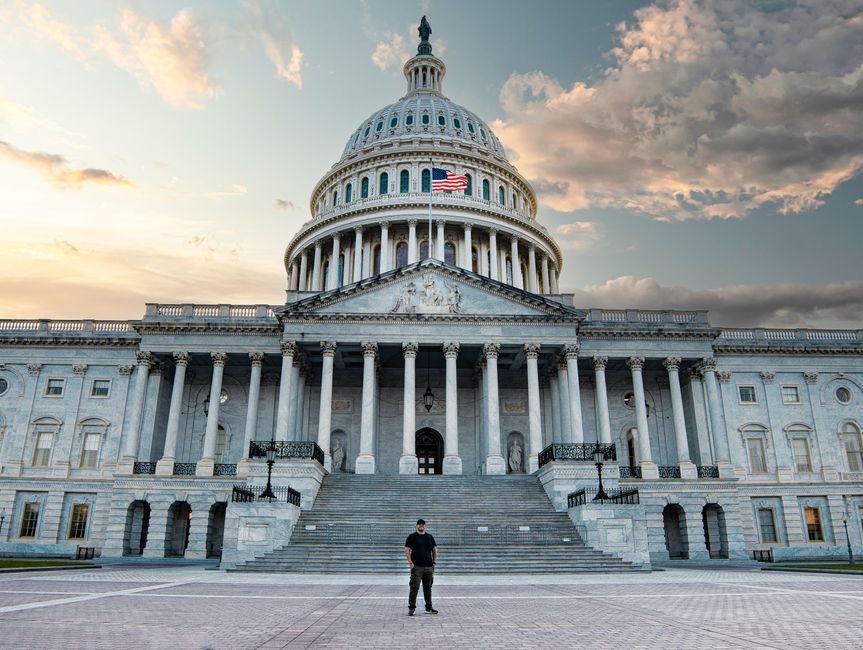
India's existing ban on nicotine pouch imports gives Congress a concrete legislative pressure point as bilateral trade negotiations advance.
Bottom Line
Confirmed means supported by a primary source or strong independent sources; Disputed means credible sources conflict; Open means no solid primary source evidence either way.
- ConfirmedThe Trump administration is actively negotiating a bilateral trade deal with India, with the Washington Examiner reporting that talks are advancing toward improved terms for American exporters and consumers.
- ConfirmedIndia maintains import bans on certain US products, including nicotine pouches, which the Washington Examiner reports could undermine the broader trade agreement if not removed.
- OpenThe specific text, timeline, and congressional role in any US-India trade deal have not been confirmed by primary government sources.
- OpenWhether Congress will conduct oversight hearings or require ratification procedures for any finalized agreement remains unresolved.
Trade negotiations between the United States and India are advancing toward a bilateral agreement that the Trump administration has framed as a significant economic win, according to a Washington Examiner analysis published November 2026. The core documented fact, confirmed by that report, is that the administration has assembled a negotiating framework intended to expand American export access to the Indian market. The congressional angle is direct: any trade deal of sufficient scope would require congressional notification under the Bipartisan Congressional Trade Priorities and Accountability Act of 2015, and a formal agreement could require implementing legislation.
This story separates documented fact from theory and opinion, with the separation stated here. The Washington Examiner piece is an op-ed, not a primary government record. Claims about the deal's specific terms, its timeline, and its finalization are therefore labeled Open until confirmed by a primary source such as an Office of the United States Trade Representative announcement, a Federal Register notice, or a congressional notification letter.
[Confirmed] India maintains import restrictions on certain US consumer goods, including nicotine pouches. The Washington Examiner report states that Indian officials have not committed to removing those bans as part of the current negotiating round. That restriction is documented in US Trade Representative annual reports on foreign trade barriers, which have identified Indian non-tariff measures as a recurring obstacle to American exporters.
[Open] The precise list of product categories covered by the current negotiating text has not been released publicly. The Office of the United States Trade Representative has not published a formal summary of the deal's scope as of November 23, 2026.
[Confirmed] The Trump administration has prioritized bilateral trade agreements as an alternative to multilateral frameworks, a posture documented in multiple USTR press releases and Executive Order 13907 and subsequent trade directives. India is among the top US trading partners by volume, with the US Census Bureau recording approximately 129 billion dollars in total goods trade between the two countries in 2024.
[Analysis] The nicotine pouch issue illustrates a recurring structural tension in US-India trade talks: the United States seeks broad market access across consumer goods categories, while India applies sector-specific import restrictions that it frames as public health or domestic industry measures. That tension has delayed agreement in prior negotiating rounds under both the Trump and Biden administrations.
[Confirmed] Congress retains authority over trade policy under Article I, Section 8 of the Constitution. Under Trade Promotion Authority, the executive branch may negotiate agreements but must notify Congress 90 days before signing and must submit implementing legislation for a straight up-or-down vote. Whether Trade Promotion Authority is currently in force for this negotiation is Open, as TPA granted under the 2015 act had conditions attached to its renewal that have not been publicly confirmed as satisfied for this specific agreement.
[Open] No congressional hearing has been publicly scheduled by the Senate Finance Committee or the House Ways and Means Committee specifically on the US-India trade deal as of the date of this report. A committee markup or hearing notice would be the primary document confirming that Congress is formally engaged in the oversight process.
The Washington Examiner report argues that India's nicotine pouch import ban, if left in place, could signal that the broader deal lacks the market-opening commitments American exporters need. That is an analytical claim, not a confirmed fact, and is labeled here as [Open] pending independent confirmation from USTR or Indian Ministry of Commerce statements.
[Confirmed] The United States and India held a formal Trade Policy Forum meeting in 2023, documented in a joint USTR-Ministry of Commerce statement, which identified tariff and non-tariff barrier reduction as priority agenda items. No equivalent joint statement for 2025 or 2026 has been published as of this writing, leaving the current status of formal negotiations Open by the evidentiary standard of this publication.
For American manufacturers and agricultural exporters, the deal's outcome has direct material consequences. The US Chamber of Commerce has separately documented in its 2025 International IP Index that India's market access restrictions affect sectors ranging from medical devices to processed foods. Whether nicotine products are addressed in the current text is unknown without access to the negotiating draft.
The 2026 Midterms result, which shifted the House composition, adds a legislative variable: any implementing bill will face a different chamber arithmetic than the administration anticipated when negotiations began. That is a contextual fact, not a prediction.
Sources Named in This Story
- Washington Examiner: Trump is close to an India trade deal. A nicotine pouch ban could unwind it
- Office of the United States Trade Representative: 2025 National Trade Estimate Report on Foreign Trade Barriers
- US Census Bureau: US-India Goods Trade Data 2024
- Bipartisan Congressional Trade Priorities and Accountability Act of 2015
- USTR-India Ministry of Commerce Joint Statement, Trade Policy Forum 2023
- US Chamber of Commerce: International IP Index 2025
Still Open
- The specific product categories and tariff commitments in the current US-India negotiating text
What would settle it: - Whether Trade Promotion Authority is currently in force and applicable to this agreement
What would settle it: - Whether India has formally agreed to remove import restrictions on nicotine pouches or other US consumer goods as part of the current round
What would settle it: - Whether the Senate Finance Committee or House Ways and Means Committee has scheduled oversight hearings on the US-India deal
What would settle it: