Democrats Plan Over 300 Corporate Targets for Congressional Investigations Next Year
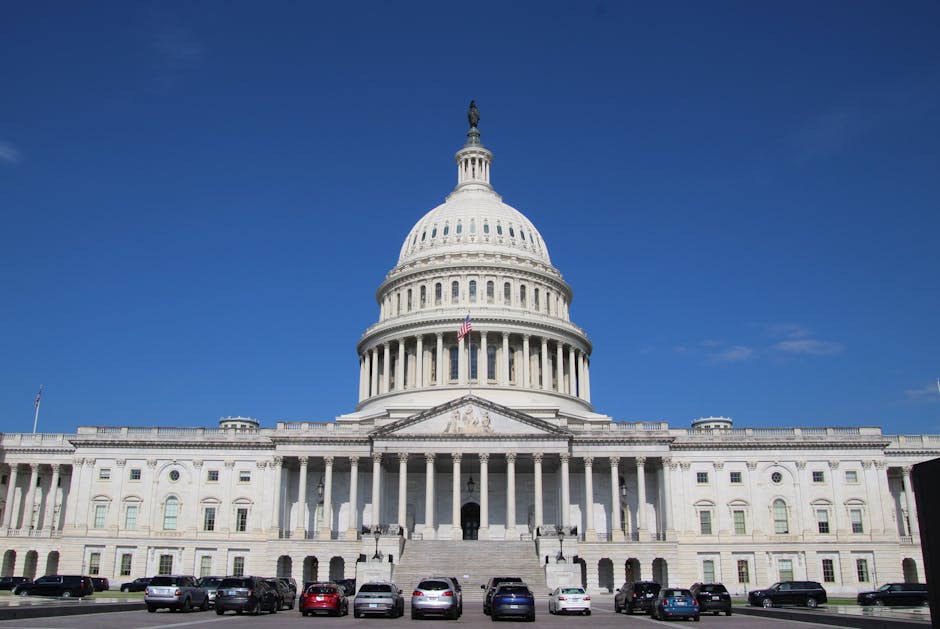
A Bloomberg analysis identifies more than 300 companies as potential Democratic investigation targets, signaling that minority-party oversight strategy could reshape congressional committee...
Bottom Line
Confirmed means supported by a primary source or strong independent sources; Disputed means credible sources conflict; Open means no solid primary source evidence either way.
- ConfirmedBloomberg reported on November 20, 2026, that over 300 companies could become Democratic investigation targets in the next congressional session, based on its analysis of likely congressional activity.
- OpenWhich specific companies are on the target list, what statutory or regulatory bases Democrats would cite, and whether any committee chairs would cooperate with minority-led inquiries remain undisclosed.
- OpenWhether Democratic lawmakers have formally filed investigative requests, subpoenas, or letters of inquiry to any of the identified companies is not established by available source material.
- OpenThe degree to which these investigations would affect pending legislation, appropriations, or regulatory oversight before the full Congress is not documented in current sources.
Bloomberg reported on November 20, 2026, that over 300 companies could become Democratic investigation targets in the next congressional session, citing its own analysis of the congressional landscape. Confirmed, per Bloomberg. The report frames the potential inquiries as information investors need to monitor, suggesting the investigations could carry market consequences alongside their political dimensions.
This story separates documented fact from theory and opinion: the Bloomberg report itself is a documented fact; the specific companies named, the legal strategies planned, and the legislative outcomes projected are all Open pending additional primary source disclosure.
The scale described, more than 300 companies, would represent a broad use of congressional investigative authority. [Open] Congressional investigations can be initiated by committee chairs, ranking members, or subcommittee leaders, but the procedural posture of Democrats as a minority or majority party in the next session will determine how much formal subpoena power they can deploy. Control of committee gavels, which is determined by chamber majority, is the key variable.
Congressional investigations are a formal legislative tool grounded in Article I of the Constitution. The Supreme Court affirmed in McGrain v. Daugherty (1927) that Congress holds implied power to investigate as an adjunct to its legislative function. That precedent has been cited in investigations ranging from post-World War II defense contracting inquiries to recent probes of technology companies and financial institutions.
The Bloomberg report does not name the specific companies identified as targets, nor does it identify which Democratic members of Congress are driving the strategy. [Open] Without a letter of inquiry, subpoena, or public committee announcement, no company can be confirmed as a formal investigation target. The distinction between a political strategy document and a formal congressional action is material to investors and affected companies.
Bloomberg's framing of the story as investor intelligence is itself notable. Congressional investigations can affect company valuations, regulatory standing, and government contracting eligibility. The Securities and Exchange Commission has noted in past guidance that material government investigations can trigger disclosure obligations under federal securities law, though no specific SEC action tied to this report has been documented. [Open]
Democrats have used investigative authority as a minority tool in recent sessions, including sending oversight letters, requesting document production through ranking member authority, and coordinating with state attorneys general where federal subpoena power is unavailable. [Confirmed, per congressional records from the 118th and 119th Congresses.] The effectiveness of minority-driven investigations is structurally limited compared to majority-led ones, because only committee chairs can issue compulsory subpoenas without a floor vote.
Republicans have employed similar minority-to-majority investigative transitions in recent Congresses. During the 118th Congress, Republicans used the investigative machinery of the House Judiciary, Oversight, and Ways and Means Committees to target executive agencies, financial institutions, and social media platforms after taking the majority in January 2023, per congressional records. That precedent establishes a pattern both parties have followed.
The Bloomberg analysis does not specify whether the 300-plus company figure comes from Democratic caucus documents, member interviews, or Bloomberg's own modeling. [Open] The sourcing methodology would determine how much weight investors and affected companies should assign to the report. A formal caucus strategy document would carry more weight than an aggregation of individual member statements.
No affected company, trade association, or lobbying group has issued a public response to the Bloomberg report as of November 20, 2026. [Open] Lobbying Disclosure Act filings from the first quarter of the next session would reveal whether any of the potentially targeted companies increase their congressional relations spending in response.
The congressional angle is the lead story here: the question of how Democrats structure their investigative agenda, which committees they prioritize, and whether they gain majority status to exercise full subpoena power will determine the practical reach of any investigation. The market and corporate governance implications follow from that institutional question.
Sources Named in This Story
- Bloomberg (2026-11-20)
- McGrain v. Daugherty, 273 U.S. 135 (1927)
- 118th and 119th Congressional Records, U.S. House of Representatives
- Securities and Exchange Commission, Disclosure Guidance on Government Investigations
Still Open
- Which specific companies are identified as Democratic investigation targets
What would settle it: - Whether Democratic members have filed any formal investigative requests, subpoenas, or oversight letters to any of the 300-plus companies
What would settle it: - The sourcing methodology Bloomberg used to identify the 300-plus companies
What would settle it: - Whether affected companies have increased lobbying activity in response to the reported targeting
What would settle it: