U.S. Warns Gulf States of Renewed Iran Strikes After Nov. 3 Midterms
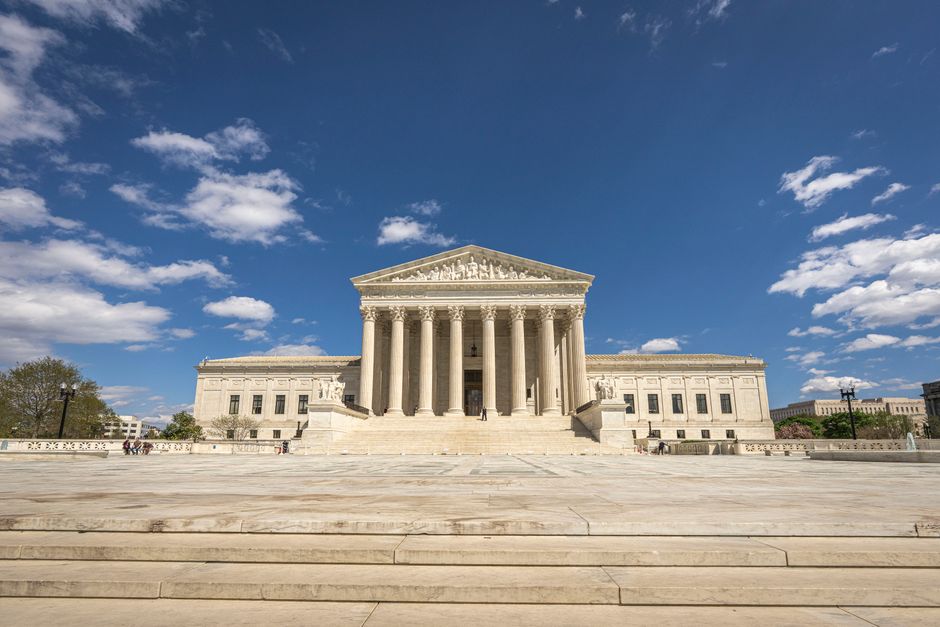
Timing the reported military escalation to follow a domestic election creates a direct link between electoral outcomes and U.S. Force posture in the Middle East, a relationship that will face...
The United States has notified several Gulf Arab countries to expect a renewed period of intensified military strikes against Iran beginning after the November 3 midterm elections, according to a report published October 28, 2026 by the Wall Street Journal, citing sources familiar with the discussions.
U.S. Forces already positioned in the region are stockpiling munitions and repositioning bombers and fighter jets in preparation for additional strikes, the Wall Street Journal report states. The reported objective is to increase pressure on Tehran and move Iranian leadership toward a negotiated agreement on its nuclear program.
As part of the broader regional military posture, the U.S. Military is also shipping an additional Patriot missile defense system to Israel, according to the same Wall Street Journal report. Patriot batteries provide layered defense against ballistic missiles and cruise missiles. The number of batteries already deployed to Israel and the specific unit being transferred were not detailed in available public reporting as of October 28, 2026. The Defense Department's official transfer records, when published, would identify the unit, cost, and authorization.
The reported post-election timeline is notable. U.S. Law governing the use of military force, specifically the War Powers Resolution of 1973 (50 U.S.C. 1541-1548), requires the president to notify Congress within 48 hours of introducing armed forces into hostilities. It further limits unauthorized deployments to 60 days without a congressional authorization for use of military force. Whether prior strikes against Iran were conducted under a specific AUMF or under claimed Article II executive authority has not been confirmed in a public congressional record as of this writing.
The White House has not issued a public statement as of October 28, 2026, detailing the legal authority cited for existing or planned strikes. The Office of Legal Counsel opinion or formal presidential finding that would govern such operations, if one exists, has not been declassified or published.
Gulf Arab states, including Saudi Arabia and the United Arab Emirates, have maintained complex relationships with both the United States and Iran. Saudi Arabia and Iran restored diplomatic relations in 2023 through a China-brokered agreement. How those countries have formally responded to the U.S. Notification described in the Wall Street Journal report is not reflected in any public statement reviewed as of this publication.
Congress last authorized broad military force in the region through the 2001 AUMF (P.L. 107-40) and the 2002 Iraq AUMF (P.L. 107-243). Legal scholars and members of both parties have debated whether either authorization covers offensive operations against Iran. The Congressional Research Service has published multiple analyses on this question, most recently noting the 2001 AUMF was written to address al-Qaeda and associated forces, not Iranian state actors.
On the domestic political calendar, November 3 marks the midterm elections in which all 435 House seats and 33 Senate seats are contested. The reported decision to time a military escalation to a post-election window has drawn attention from members of both parties in prior reporting, though no formal congressional resolution or letter of inquiry on this specific timing question has been entered into the congressional record as of October 28, 2026.
For historical context, the Trump administration conducted strikes on Iranian targets earlier in 2026, as reported by The Congressional Times in Trump Signals Resumed Iran Military Action After Midterm Elections. Those strikes prompted debate in the Senate Armed Services Committee, though no formal vote on an Iran-specific AUMF has been scheduled as of this writing.
Several material facts remain unknown. The exact number of Gulf states notified, the specific targets identified for post-election strikes, the legal authority formally invoked by the executive branch, and the cost of munitions being pre-positioned are not available in any public record reviewed for this story. Pentagon contracting records published through USASpending.gov and any War Powers notifications filed with congressional leadership would provide partial answers to those questions.