Trump Signals Resumed Iran Military Action After Midterm Elections
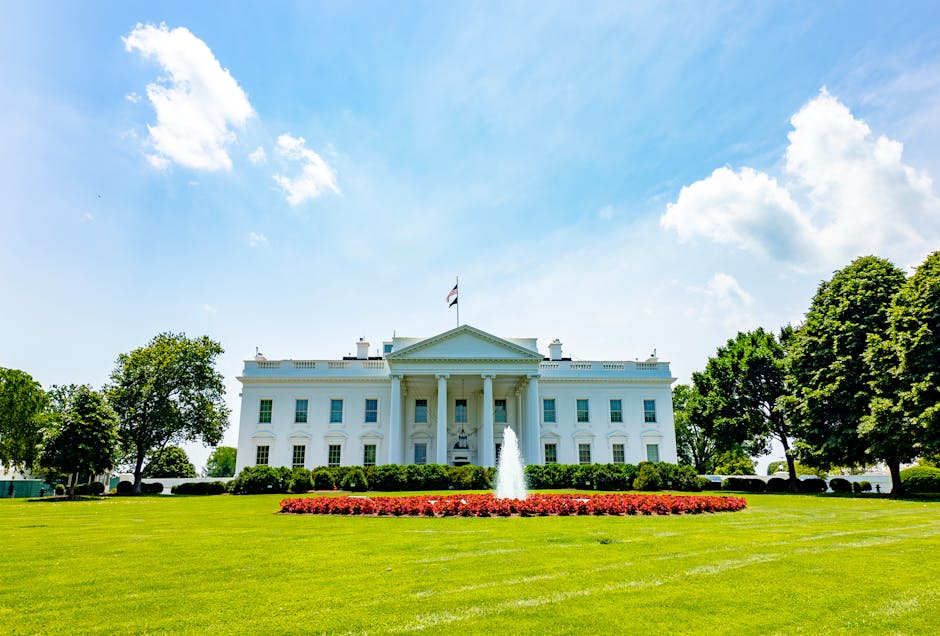
A sitting president publicly timing potential military action around an election cycle raises constitutional and War Powers Act questions that Congress has not yet addressed on the record.
President Donald Trump told a rally crowd in Lubbock, Texas on Tuesday that intensified military action against Iran would follow next week's midterm elections. "You'll see Iran in a couple of weeks, if you don't mind," Trump said, according to reporting by the Washington Examiner. The statement was made at a campaign-style rally and was directed at supporters gathered at the event.
The remarks were not accompanied by a formal White House statement, a Defense Department briefing, or any notification to congressional leadership as of publication time on October 28, 2026. The specific nature of the action Trump referenced, whether airstrikes, expanded sanctions, or naval operations, was not defined in the publicly reported remarks.
Under the War Powers Resolution of 1973 (50 U.S.C. Chapter 33), the president is required to notify Congress within 48 hours of introducing armed forces into hostilities or situations where hostilities are imminent. The law further limits unauthorized military engagement to 60 days without a formal congressional authorization. No Authorization for Use of Military Force (AUMF) specific to Iran has been passed by the current Congress, according to the congressional record.
The United States and Iran have had intermittent military exchanges throughout 2025 and 2026, including strikes on Iranian-backed proxy forces in Iraq and Syria, according to Defense Department press releases. A direct exchange involving Iranian territory or assets would represent a distinct escalation under existing policy frameworks, though the administration has not publicly defined its legal authority for any prospective action.
The timing of the statement, made one week before the November 3, 2026 midterm elections, drew attention because it links a potential military operation to an electoral calendar. The Constitution grants Congress the power to declare war under Article I, Section 8. The executive branch has historically interpreted its commander-in-chief authority under Article II as permitting limited military action without congressional approval, a position contested by members of both parties in different administrations.
Congressional responses to the Lubbock remarks had not been entered into the congressional record as of publication. No committee chairperson in the House or Senate had filed a formal request for executive branch consultation under the War Powers Resolution as of this writing. The Senate Foreign Relations Committee and the House Armed Services Committee have oversight jurisdiction over military action and Iran policy, but neither had scheduled an emergency hearing as of October 28, 2026.
The Trump administration's Iran policy in the current term has included maintained and expanded sanctions under the Treasury Department's Office of Foreign Assets Control, as well as continued diplomatic isolation. The State Department has not published a new Iran policy framework document since January 2026, according to its public records portal.
For context, the Obama administration faced congressional challenges over the 2011 Libya intervention when it extended beyond 60 days without an AUMF, leading to a House vote on the matter. The Biden administration similarly faced War Powers challenges related to Yemen and Syria operations. Both episodes resulted in failed or non-binding resolutions, establishing a pattern in which the executive branch retains operational latitude even under congressional objection.
Secretary of State Marco Rubio was present at the Lubbock, Texas rally where Trump made the Iran remarks, according to TCT's prior coverage, though his public statement at that event lasted approximately 11 seconds and did not address Iran policy.
What remains unknown: whether the Trump administration has provided any classified Gang of Eight briefing to congressional leadership about planned Iran operations, whether a legal memo from the Office of Legal Counsel authorizing such action exists, and what specific military or diplomatic instrument the president was referencing. A Gang of Eight notification record, if one exists, would be the primary document that would clarify the extent of congressional awareness. An OLC memo, if requested by Congress, would define the legal basis claimed by the executive branch.