U.S. Grid Delivery Bottlenecks Threaten AI Growth and Manufacturing Return
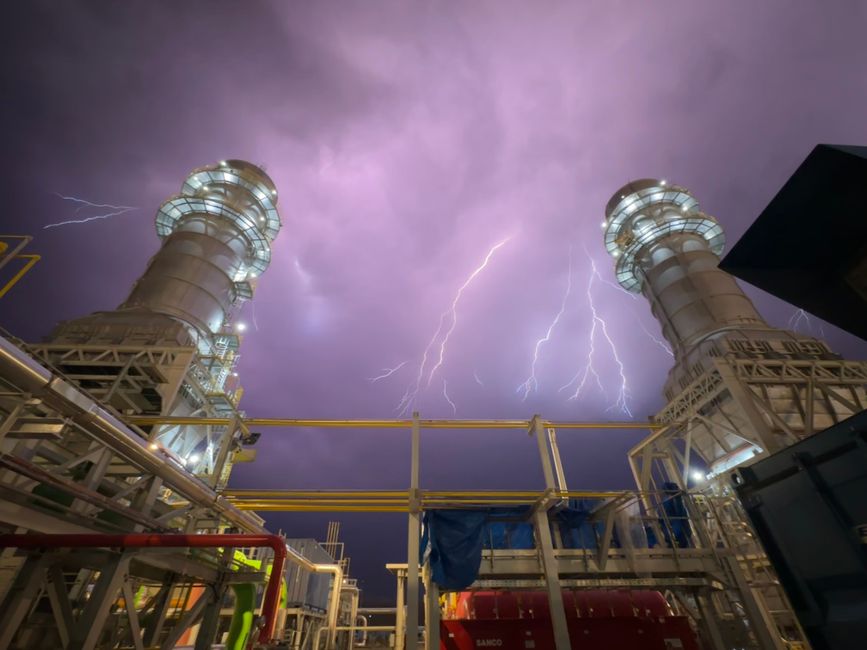
The central constraint on U.S. economic competitiveness may not be fuel supply but the infrastructure required to move power from generation to end users — a distinction that reframes the current...
The United States does not face an electricity generation shortage in aggregate, but it faces a growing mismatch between where power is produced and where rapidly expanding demand — driven by AI data centers and reshoring manufacturers — requires it to be delivered, according to a Washington Examiner analysis published July 13, 2026. The piece draws on publicly available grid capacity reports from the North American Electric Reliability Corporation (NERC) and regional transmission organization interconnection queue data, which show tens of thousands of megawatts of approved generation projects awaiting transmission access.
Federal Energy Regulatory Commission (FERC) interconnection queue statistics, published on FERC.gov, document a backlog exceeding 2,600 gigawatts of proposed generation capacity as of the most recent quarterly release — the majority of which cannot reach consumers without new or upgraded high-voltage transmission lines. FERC Order 1920, finalized in May 2024 and effective July 2024, requires transmission providers to conduct long-term regional planning, but implementation compliance timelines extend through 2026 and 2027 for most utilities.
Congress has engaged the delivery question on multiple fronts. The Fiscal Year 2025 National Defense Authorization Act and prior infrastructure legislation allocated funds for grid hardening, but dedicated transmission permitting reform legislation has stalled repeatedly in the Senate, where competing stakeholder interests — including incumbent utilities, merchant developers, and state utility commissions — have produced no consensus bill as of July 2026. The congressional record shows that permitting reform proposals were debated in the 118th Congress without reaching a floor vote in either chamber.
The Department of Energy's Grid Deployment Office, operating under authority granted by the Infrastructure Investment and Jobs Act (Public Law 117-58), has committed loan guarantees and grants toward transmission projects, with award announcements posted on USASpending.gov. The exact leverage ratio of federal dollars to private transmission investment under those programs, and whether disbursements have accelerated interconnection approvals, is not fully documented in publicly released program evaluations as of this reporting date.
What remains unknown is whether the 119th Congress will advance standalone transmission permitting legislation, which bill text if any will serve as the vehicle, and which committee — Senate Energy and Natural Resources or Senate Commerce — will hold jurisdiction over any such measure. The congressional record, FERC dockets, and future NERC reliability assessments are the public documents that would answer those questions.