Iran Conflict Energy Costs Strain Louisiana Agriculture Sector, CBS Reports
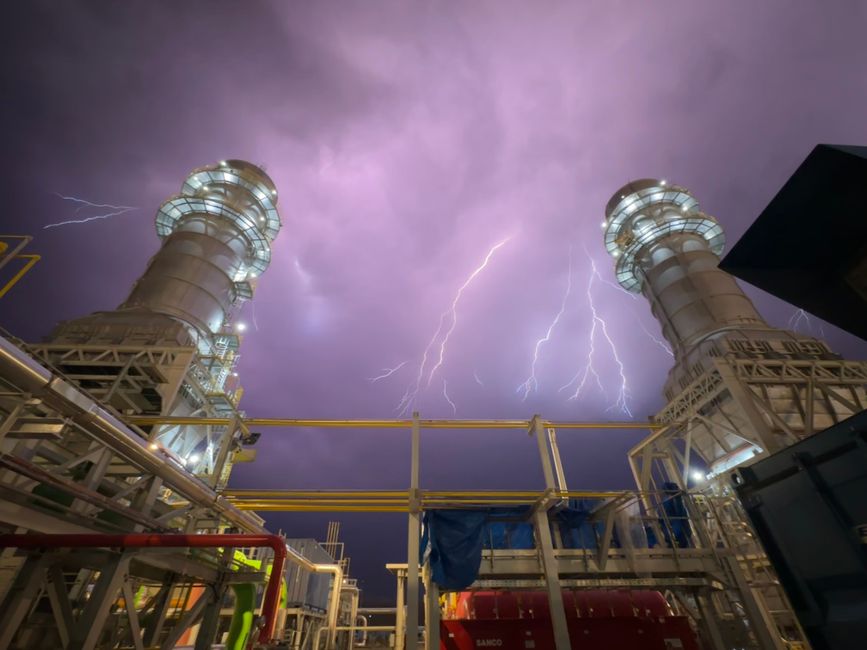
Rising fuel and input prices tied to U.S. military engagement with Iran are creating measurable financial stress for domestic farmers, raising questions about federal agricultural relief mechanisms.
Energy costs linked to the U.S. conflict with Iran are placing significant financial pressure on Louisiana farmers, with some reporting uncertainty about whether their operations can remain solvent, according to a CBS News report published July 11, 2026. The report identifies the agriculture industry in Louisiana as a focal point of cost escalation driven by elevated fuel prices — a direct input expense for planting, irrigation, and harvesting operations.
The U.S. Energy Information Administration (EIA) tracks retail diesel and agricultural energy prices on a weekly basis; those public records would establish the precise cost-per-gallon increases farmers have absorbed since the onset of the Iran conflict and provide a baseline for measuring financial impact against prior-year figures. As of this writing, the specific percentage increase in Louisiana agricultural energy costs cited in the CBS report has not been independently verified against EIA or USDA Economic Research Service filings.
Federal relief for farmers experiencing commodity or input cost shocks has historically been administered through USDA programs, including the Emergency Loan program under the Farm Service Agency (FSA) and, in past conflict periods, supplemental appropriations authorized by Congress. Whether USDA has activated or expanded any such programs in response to current energy price conditions is not confirmed in available public records. A USDA press release or FSA program announcement would constitute the relevant public document.
Congress retains oversight authority over both agricultural assistance and military authorization. The Senate Agriculture Committee and House Agriculture Committee hold jurisdiction over farm relief spending, while the Senate Foreign Relations Committee and House Foreign Affairs Committee oversee war powers and conflict-related economic consequences. No committee hearings specifically addressing agricultural energy cost relief in the context of the Iran conflict appear in the Congressional Record as of July 11, 2026.
What remains unknown is the total dollar figure of financial losses sustained by Louisiana farmers, the number of operations at risk of failure, and whether the White House or USDA has received formal requests from Louisiana's congressional delegation for targeted relief. Letters from members of Congress to executive agencies are public records under the congressional correspondence system and would provide that documentation.