Trump Tariffs May Target Industrial Overcapacity in Next 301 Round
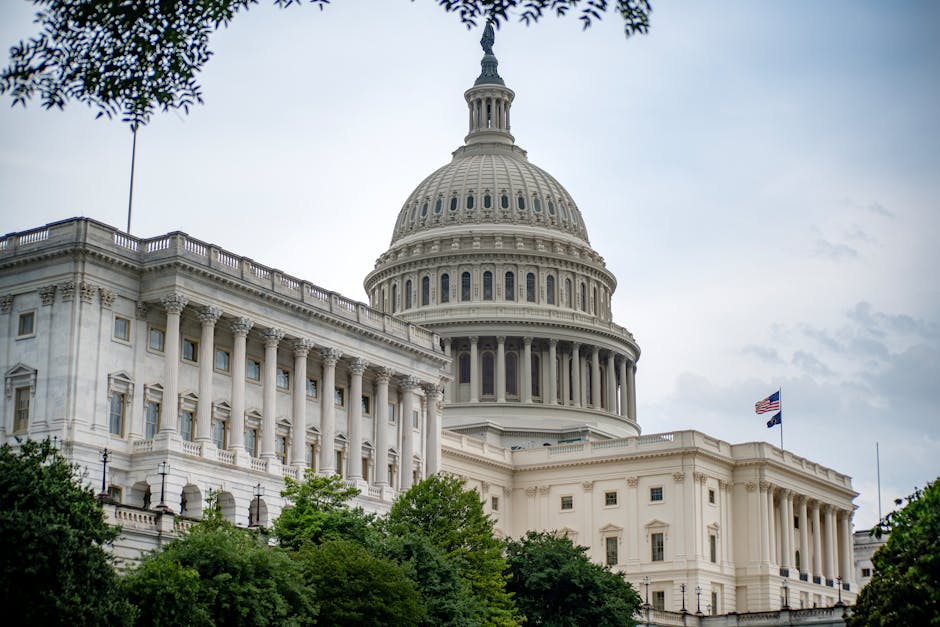
A potential expansion of Section 301 levies based on overcapacity concerns would mark a shift from the trade-war framework used against Chinese goods since 2018, with direct consequences for US...
Bottom Line
Confirmed means supported by a primary source or strong independent sources; Disputed means credible sources conflict; Open means no solid primary source evidence either way.
- ConfirmedBloomberg reported on November 24, 2026, that the next round of Section 301 tariffs under the Trump administration could be structured around concerns about foreign industrial overcapacity, according to Bloomberg's tariff coverage dated November 24, 2026.
- OpenThe specific industries, countries, and tariff rates that would be targeted under any new Section 301 overcapacity action have not been publicly announced by the Office of the United States Trade Representative.
- OpenThe economic effect on US manufacturers that compete with overcapacity-driven imports has not been quantified in any publicly released government study tied to this reported action.
- DisputedWhether overcapacity constitutes a legally sufficient basis for a new Section 301 investigation under the Trade Act of 1974 is contested among trade law scholars, and no USTR ruling on that question has been confirmed.
The Trump administration is considering a new round of Section 301 tariffs structured around the concept of foreign industrial overcapacity, according to a Bloomberg newsletter published November 24, 2026. If confirmed, the action would represent a legal and policy shift in how the United States justifies tariff escalation against trading partners whose governments subsidize production beyond domestic demand.
This story separates documented fact from theory. Anything interpretive is marked Analysis. Confirmed claims are supported by a primary source or strong independent sources. Disputed claims reflect conflicting credible sources or a mismatch between a claim and its cited source. Open claims have no solid evidence either way.
Section 301 of the Trade Act of 1974 authorizes the United States Trade Representative to investigate and respond to foreign trade practices that are unfair, unreasonable, or discriminatory and that burden US commerce. Confirmed: The Trump administration used Section 301 authority beginning in 2018 to impose tariffs on hundreds of billions of dollars in Chinese goods, with the initial list targeting approximately 818 product lines covering roughly 34 billion dollars in annual imports, according to the USTR Federal Register notice dated July 6, 2018.
Analysis: Grounding a new Section 301 action in overcapacity rather than intellectual property theft or forced technology transfer would expand the practical reach of the statute. Prior actions focused on specific unfair practices. An overcapacity rationale could apply to any sector where foreign government subsidies have produced supply that exceeds domestic consumption, including steel, aluminum, solar panels, electric vehicles, and batteries.
Open: Bloomberg's reporting does not confirm which trading partners would be named in any new overcapacity investigation. China is the country most frequently cited by US trade officials in overcapacity discussions, but the Bloomberg report as summarized does not name a specific country or sector as the primary target.
The United States already maintains Section 232 tariffs on steel and aluminum imports, authorized under the Trade Expansion Act of 1962 on national security grounds, and separate Section 301 tariffs on a wide range of Chinese products. Confirmed: The Biden administration retained the Trump-era Section 301 tariffs on Chinese goods and added targeted increases in May 2024, including raising tariffs on Chinese electric vehicles to 100 percent from 25 percent, according to a USTR press release dated May 14, 2024.
Open: Whether the Office of the United States Trade Representative has formally opened or is preparing to open an investigation under Section 301 based on overcapacity has not been confirmed by any USTR public statement, Federal Register notice, or named administration official as of November 24, 2026.
For US manufacturers in sectors affected by import competition, the practical stakes of a new overcapacity-based tariff round are material. Domestic steel producers, solar panel manufacturers, and battery makers have separately argued in Congressional testimony and trade filings that subsidized foreign overcapacity depresses US prices and reduces domestic investment. Disputed: Whether new tariffs in those sectors would increase net US manufacturing employment or simply raise input costs for US industries that use those materials is contested. Studies from the Peterson Institute for International Economics and the Economic Policy Institute have reached different conclusions on that question using different methodologies and time periods, and no single figure commands a consensus.
Analysis: The overcapacity framing also carries implications for US relations with allies. The European Union, South Korea, and Japan have all been identified by their own governments as facing competitive pressure from Chinese industrial overcapacity. A US tariff action framed around overcapacity could invite allied coordination or, alternatively, could trigger retaliatory disputes if those allies are themselves named in any investigation.
Open: The timeline for any formal USTR action has not been reported. Section 301 investigations typically require a public comment period and an interagency review before tariffs are imposed, a process that has historically taken between six months and one year from initiation to implementation.
US companies that import intermediate goods subject to potential new tariffs have not yet had an opportunity to comment in any formal proceeding because no Federal Register notice has been published as of the date of this report. Confirmed: Under Section 301 procedures, the USTR is required to seek public comment before imposing tariffs, as established by the statutory text of the Trade Act of 1974 and confirmed by prior USTR practice in 2018 and 2019.
The Bloomberg reporting does not include a dollar figure for the trade flows that would be covered under a potential overcapacity-based action. No total tariff revenue estimate, affected import volume, or specific product list has been published in connection with this reported policy direction as of November 24, 2026.
Sources Named in This Story
- Bloomberg, Trump tariffs on industrial overcapacity, November 24, 2026 (2026-11-24)
- USTR Federal Register notice, Section 301 tariff list 1, July 6, 2018 (2018-07-06)
- USTR press release, Section 301 tariff increases on Chinese goods, May 14, 2024 (2024-05-14)
- Trade Act of 1974, Section 301, public law text
Still Open
- Which countries and industries would be targeted under any new Section 301 overcapacity action
What would settle it: - Whether overcapacity is a legally sufficient basis for a new Section 301 investigation under the Trade Act of 1974
What would settle it: - The dollar value of imports that would be covered by any new overcapacity-based tariff round
What would settle it: - The timeline for any formal USTR rulemaking or tariff imposition
What would settle it: