Trump Administration Readies New Tariffs After Supreme Court Ruling
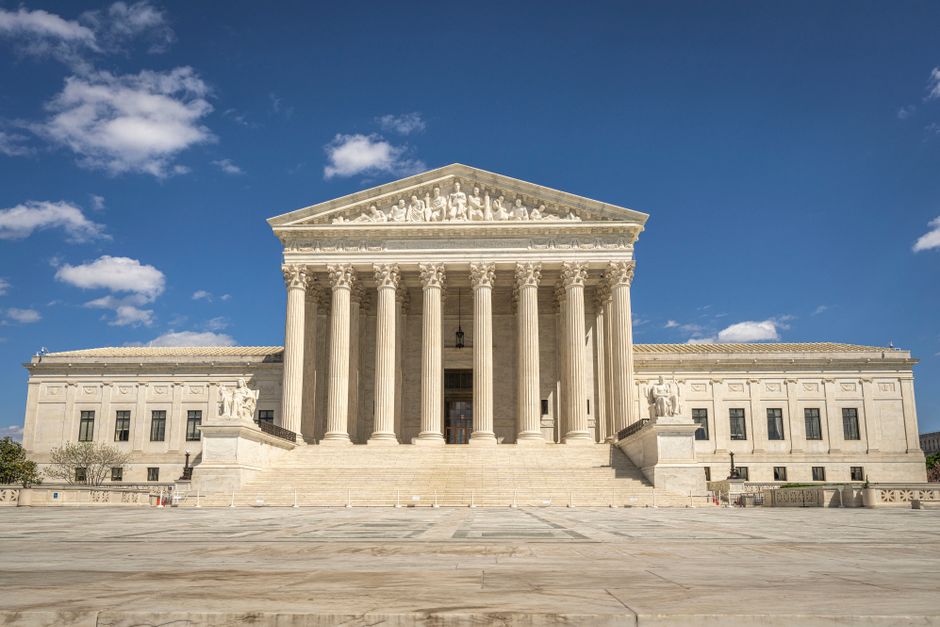
A planned Tuesday announcement on tariffs targeting China, the EU, and more than a dozen other economies tests whether executive trade authority can survive continued legal scrutiny.
Bottom Line
Confirmed means supported by a primary source or strong independent sources; Disputed means credible sources conflict; Open means no solid primary source evidence either way.
- ConfirmedThe Trump administration is preparing to announce as soon as Tuesday a new round of tariff increases on goods from China, the European Union, and more than a dozen other economies, according to Bloomberg, citing a person familiar with the matter.
- ConfirmedThe new tariffs are designed to replace levies previously struck down by the Supreme Court, according to Bloomberg.
- OpenThe specific tariff rates, the full list of affected countries, and the precise legal authority the administration intends to invoke have not been publicly disclosed.
- OpenWhether Congress will act to authorize, block, or amend the new tariff structure remains undetermined.
The Trump administration is preparing to announce as soon as Tuesday a new round of tariff increases on goods from China, the European Union, and more than a dozen other economies, according to Bloomberg, which cited a person familiar with the matter. The move follows a Supreme Court ruling that struck down an earlier set of levies, making the legal foundation for executive tariff authority a central question for Congress and the courts.
This story separates documented fact from theory. Anything interpretive is marked Analysis.
Confirmed: Bloomberg reported on November 24, 2026, that the administration is readying the tariff announcement for as early as Tuesday, citing a person familiar with the planning. The report does not name the legal statute under which the new tariffs would be imposed, and no official White House statement has been published as of this writing.
Confirmed: The Bloomberg report states the new tariffs are intended to replace levies that were struck down by the Supreme Court. The Court's ruling, which Bloomberg references as the trigger for this action, removed the prior tariff structure from effect, leaving the administration without the trade barriers it had previously imposed on the named trading partners.
Analysis: The sequence of events, a Supreme Court ruling invalidating existing tariffs followed by an executive branch effort to reimpose them through a revised legal mechanism, places Congress in a position to either affirm executive trade authority through legislation or contest it. The Constitution grants Congress the power to regulate commerce with foreign nations under Article I, Section 8, though Congress has delegated broad tariff authority to the executive branch through statutes including the Trade Expansion Act of 1962 and the International Emergency Economic Powers Act. Which authority, if any, the administration intends to cite for the new tariffs is Open.
The countries named in the Bloomberg report as targets include China and the European Union, as well as more than a dozen other economies. The specific list of nations, the product categories affected, and the proposed rate levels have not been released in any public filing or official announcement reviewed by The Congressional Times as of publication.
Open: The legal vehicle the administration plans to use to impose the new tariffs has not been publicly stated. That determination is material because different statutory authorities carry different procedural requirements, different timelines for congressional notification, and different standards of judicial review. A formal Federal Register notice or a presidential proclamation would be the primary public records that would identify the authority cited.
The Supreme Court's role in this sequence is significant for Congress. When the Court struck down the prior levies, it established a limit on the scope of executive tariff authority as it had been exercised. The administration's response, preparing a new set of tariffs rather than seeking fresh congressional authorization, signals that the White House believes an alternative legal basis exists. Whether that basis will survive further judicial challenge is Open.
Members of Congress on both the House Ways and Means Committee and the Senate Finance Committee have jurisdiction over trade and tariff legislation. Neither committee had issued a public statement on the planned tariff announcement at the time of publication, according to a review of their official congressional websites. The Congressional Times has not confirmed any member communication or briefing related to the forthcoming announcement.
Analysis: If the administration moves forward without a new congressional authorization, the action will likely face rapid legal challenge from affected industries or trading partners, replicating the litigation cycle that led to the Supreme Court's earlier ruling. A legislative fix, by contrast, would require bipartisan support in a Congress where trade policy has historically divided both parties along regional and industry lines rather than purely partisan ones.
The EU and China represent the two largest trading relationships the United States maintains. According to the Office of the United States Trade Representative's most recent annual trade data, goods trade with the EU exceeded 900 billion dollars and goods trade with China exceeded 500 billion dollars in recent reporting years. Tariff increases of significant size on either relationship carry measurable effects on domestic importers, manufacturers, and consumers, though the precise distributional impact of the rates being prepared is unknown because the rates have not been disclosed.
Confirmed: The Bloomberg report was published November 24, 2026. No corroborating official announcement from the White House, the Office of the United States Trade Representative, or the Department of Commerce has been published in a public record reviewed by The Congressional Times. The story will be updated when official documentation becomes available.
Sources Named in This Story
- Bloomberg (2026-11-24)
Still Open
- The specific statutory authority the administration intends to invoke for the new tariffs.
What would settle it: - The full list of countries targeted and the proposed tariff rates.
What would settle it: - Whether Congress will introduce or pass legislation to authorize, modify, or block the new tariff structure.
What would settle it: - The precise Supreme Court ruling that struck down the prior levies, including the case name and docket number.
What would settle it: