Congress Urged to Pass ELSA Act Covering Craniofacial Care for Children
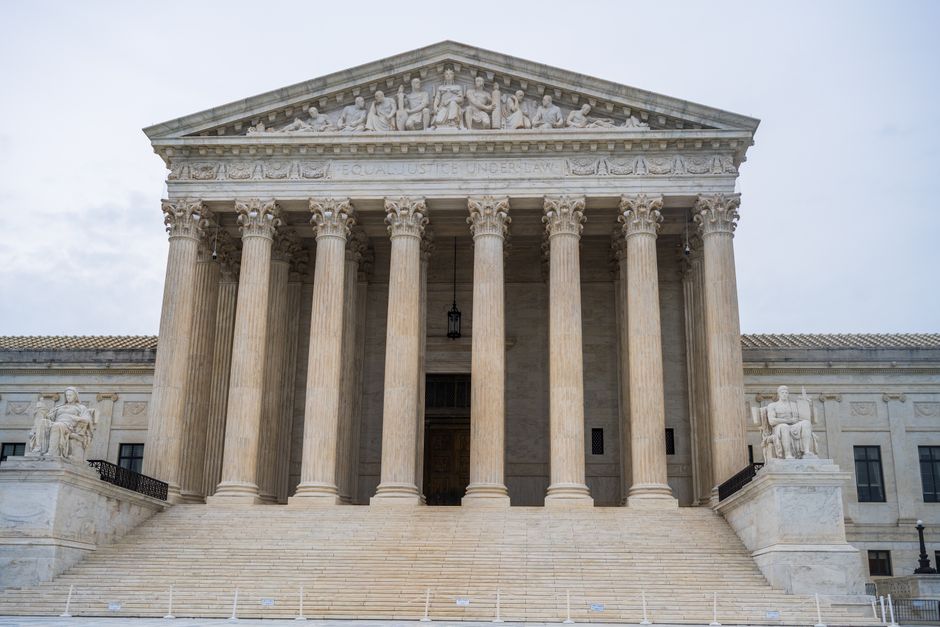
A pending federal bill would require insurers to cover medically necessary dental and surgical treatment for children with rare craniofacial conditions, a gap advocates say leaves families exposed...
Bottom Line
Confirmed means supported by a primary source or strong independent sources; Disputed means credible sources conflict; Open means no solid primary source evidence either way.
- ConfirmedLegislation referred to as the ELSA Act has been proposed in Congress to mandate insurance coverage for medically necessary craniofacial care in children, according to The Hill.
- ConfirmedChildren with craniofacial anomalies can require dentures, braces, bone grafts, and implants beginning in early childhood, according to firsthand clinical accounts published by The Hill.
- OpenThe current congressional status of the ELSA Act, including committee assignment, vote schedule, and sponsor list, has not been confirmed from a congressional record or legislative database.
- OpenThe number of children affected nationally by coverage denials for craniofacial conditions is not established by any cited federal dataset.
A parent and advocacy account published November 22, 2026 in The Hill calls on Congress to pass legislation identified as the ELSA Act, which would require health insurers to cover medically necessary dental and surgical treatment for children born with rare craniofacial anomalies. The account centers on the case of a five-year-old child at Children's Wisconsin whose care team outlined a treatment plan including dentures, braces, bone grafting, and implants, all stemming from a diagnosed craniofacial condition.
This story separates documented fact from theory and opinion, with the separation stated here: the existence of the ELSA Act proposal and the clinical description of craniofacial treatment needs are Confirmed from published accounts; the bill's precise sponsor, text, and committee status are Open pending a primary congressional record.
[Confirmed] The account published in The Hill states that the child's treatment was ultimately covered because the care team at Children's Wisconsin categorized it as medically necessary, triggering coverage under the family's existing insurance plan. The advocacy piece argues that this outcome is not guaranteed for all families and depends on insurer discretion rather than a federal mandate.
[Open] The specific text of the ELSA Act, its House or Senate bill number, its primary sponsor, and its committee referral have not been confirmed by a congressional record, the Library of Congress legislative database, or a verified government source as of the publication date of this story. Those details would be found in a congressional bill filing available through Congress.gov.
[Confirmed] Craniofacial conditions can require multi-stage medical and dental interventions beginning in early childhood, according to clinical literature and the firsthand account published in The Hill. The treatment sequence described in that account includes prosthetic dentistry, orthodontics, oral surgery, and bone reconstruction, often extending over years or decades.
[Analysis] If the ELSA Act were enacted, it would expand the category of mandatory insurance benefits under federal law, adding to a list that already includes maternity care, mental health services, and pediatric dental coverage under the Affordable Care Act. Whether the bill would amend the ACA directly or operate as a standalone mandate is Open, pending review of bill text.
[Open] The number of children in the United States who have been denied insurance coverage for craniofacial treatment on the grounds that it is cosmetic rather than medically necessary is not established by any federal dataset cited in the available source material. The Centers for Disease Control and Prevention tracks craniofacial birth defects by prevalence but does not publish insurance denial rates in publicly available summaries as of this writing.
[Confirmed] The United States lost its measles elimination status amid the worst outbreak since 1991, according to reporting cited separately by The Guardian on November 22, 2026. While that outbreak involves a different federal policy question, it illustrates a broader congressional and public health debate about coverage gaps and access to preventive care that also underlies the ELSA Act advocacy.
[Open] No congressional hearing has been confirmed as scheduled on the ELSA Act by any committee record available in the source material. A committee markup notice published by the relevant House or Senate health or finance committee would confirm whether the bill is advancing.
[Open] Whether the ELSA Act has bipartisan co-sponsorship or is associated with a single party has not been established. The advocacy piece published in The Hill does not name a sponsoring member of Congress by name, party, or chamber. A search of the congressional record or a press release from the sponsor's office would resolve this.
The advocacy account frames the ELSA Act as a child health protection measure and does not address cost estimates for the federal government or the insurance industry. [Open] No Congressional Budget Office score or actuarial analysis has been cited or confirmed for this legislation. A CBO cost estimate, once published, would provide the primary data point on fiscal impact.
Families seeking to follow the status of the ELSA Act can consult Congress.gov, where bill text, committee assignments, and co-sponsor lists are updated as legislative action occurs. Advocacy organizations working on craniofacial conditions, including the American Cleft Palate-Craniofacial Association, may also publish congressional updates, though their statements would represent an interested party perspective rather than a neutral primary source.
Sources Named in This Story
- The Hill (2026-11-22)
- The Guardian (2026-11-22)
Still Open
- ELSA Act bill number, sponsor name, and committee assignment
What would settle it: - Whether the ELSA Act has bipartisan support
What would settle it: - Number of children denied craniofacial coverage annually
What would settle it: - Fiscal impact of the ELSA Act on insurers and the federal budget
What would settle it: - Whether a committee hearing on the ELSA Act has been scheduled
What would settle it: