Iran Escalates Gulf Attacks as US Blockade and Sanctions Bite
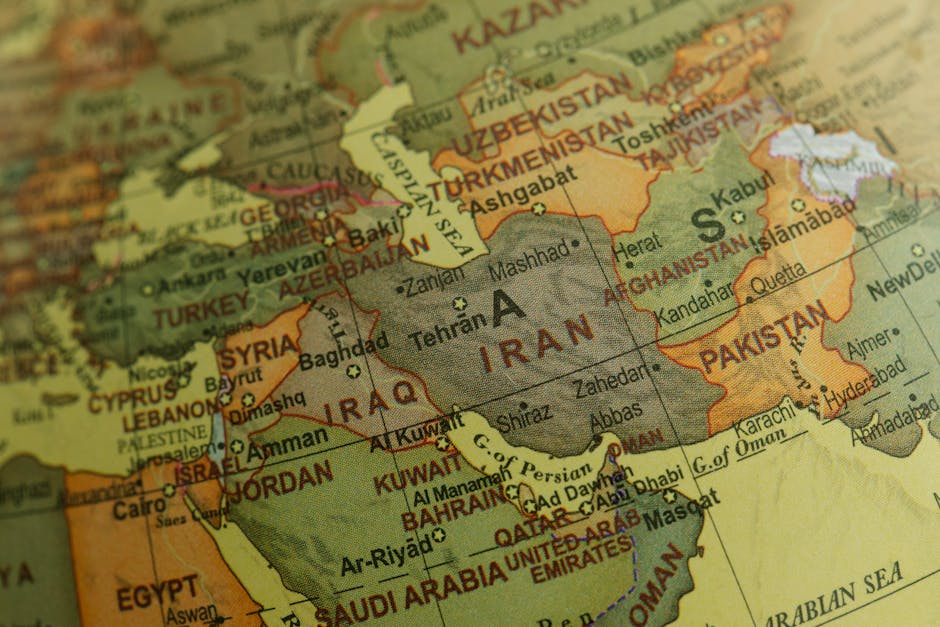
Tehran's intensified naval aggression reflects a government under mounting economic pressure, raising the prospect of a wider Gulf confrontation.
Bottom Line
Confirmed means supported by a primary source or strong independent sources; Disputed means credible sources conflict; Open means no solid primary source evidence either way.
- ConfirmedIran has escalated attacks in the Gulf, according to Al Jazeera reporting dated November 22, 2026.
- ConfirmedThe US has imposed a naval blockade and expanded sanctions against Iran, which Al Jazeera reports are causing measurable economic damage inside the country.
- OpenThe specific military assets, targeting logic, and command authority behind individual Iranian attacks have not been independently verified by named inspection or filed record.
- OpenWhether Iran's actions are intended to signal a willingness to negotiate or to sustain a prolonged confrontation remains unresolved by available primary sources.
Iran has significantly escalated its attacks in the Gulf region as a United States naval blockade and an expanded sanctions campaign continue to generate economic strain inside the country, according to Al Jazeera reporting published November 22, 2026. The pattern of intensified activity represents a documented shift in Iranian operational tempo in one of the world's most commercially and strategically sensitive waterways.
This story separates documented fact from theory and opinion, with the separation stated here. What is Confirmed rests on Al Jazeera's published reporting. What is Open reflects the absence of primary-source documentation, named inspection records, or independent corroborating filings.
[Confirmed] The US naval blockade and sanctions campaign are ongoing. Al Jazeera reports that these measures are hurting Iran economically, a characterization consistent with publicly available trade and energy data showing reduced Iranian oil export revenues in prior quarters, though the precise November 2026 figures have not been released in a named dataset available to this publication at time of writing.
[Open] The Iranian government has not released an official statement through a named ministry or state outlet that this publication can independently cross-reference to published evidence. Any Iranian government claim about its own motivations or the defensive character of its actions is evidence of the speaker's position only, not of the underlying facts.
The Gulf of Oman and the Strait of Hormuz are chokepoints through which an estimated 20 percent of globally traded oil passes, according to the US Energy Information Administration's published Strait of Hormuz fact sheet. Any sustained disruption of shipping in these waters carries direct consequences for global energy supply chains. [Analysis] An escalation pattern tied explicitly to sanctions pressure suggests Tehran is using military signaling as a lever in an economic dispute, a tactic with precedent in prior periods of US-Iran tension, though whether that tactic will produce negotiations or further escalation is not answerable from available evidence.
[Confirmed] The United States has maintained a naval presence in the Gulf as part of the blockade framework. The operational details of that presence, including vessel names, rules of engagement, and incident logs, have not been released in a named public filing accessible to this publication as of November 22, 2026.
[Disputed] The characterization of Iranian actions as "attacks" versus "interdictions" or "defensive responses" is contested. Iranian state media has historically described naval actions in the Gulf in defensive terms, while US and allied governments have labeled similar actions as aggression. Al Jazeera uses the term "attacks" in its reporting. No named international legal body or tribunal has issued a ruling characterizing the current incidents, so the legal classification remains Open.
Historically, periods of intensified US sanctions on Iran have correlated with spikes in Gulf maritime incidents. The 2019 period following the US withdrawal from the Joint Comprehensive Plan of Action saw a series of tanker seizures and attacks attributed by the US government and Lloyd's of London shipping intelligence to Iranian actors. That precedent is relevant context for the current escalation, though the present naval blockade represents a more direct and sustained US military posture than the 2019 framework.
[Open] The specific Iranian military units, command structures, or government ministries directing the current attacks have not been named in independently verified public records available to this publication. Al Jazeera's reporting identifies Tehran broadly as the actor but does not cite a named military order or chain-of-command document.
The economic dimension of this confrontation is significant. Iran's oil sector, which accounts for a substantial share of government revenue, has been repeatedly targeted by successive rounds of US Treasury Department sanctions. A named US Treasury press release identifying the specific November 2026 sanctions tranche had not been located in publicly accessible databases at time of publication. [Open] The precise revenue loss attributable to the current blockade, as opposed to prior sanctions layers, is not established by a named dataset.
For Gulf Cooperation Council member states, the escalation creates immediate security and commercial risks. Saudi Arabia, the United Arab Emirates, and Kuwait all depend on safe Gulf passage for their own energy exports. None of those governments had released a named statement about the current Iranian escalation that this publication could independently verify by the time of writing.
The trajectory of US-Iran relations in the Gulf now depends on factors that available public records do not resolve: whether diplomatic back-channels are active, whether Iran's economic pain has reached a threshold that changes its strategic calculus, and whether any third-party mediator such as Oman, which has historically facilitated US-Iran contacts, is engaged. Each of those questions is carried into Still Open below, with the specific evidence that would settle them named.
Sources Named in This Story
- Al Jazeera, 'What's behind Iran's escalation of attacks in the Gulf?', November 22, 2026 (2026-11-22)
- US Energy Information Administration, Strait of Hormuz fact sheet
- US Treasury Department sanctions press releases (prior rounds, publicly accessible)
Still Open
- The specific Iranian military units and command authority directing current Gulf attacks
What would settle it: - The precise economic revenue loss Iran has suffered under the current naval blockade and sanctions layer
What would settle it: - Whether any active diplomatic back-channel between the US and Iran is operating to de-escalate the Gulf confrontation
What would settle it: - The legal classification of Iranian actions under international maritime law as attacks, interdictions, or defensive responses
What would settle it: