Supreme Court Declines Trump Administration Appeal on DEI Research Grants
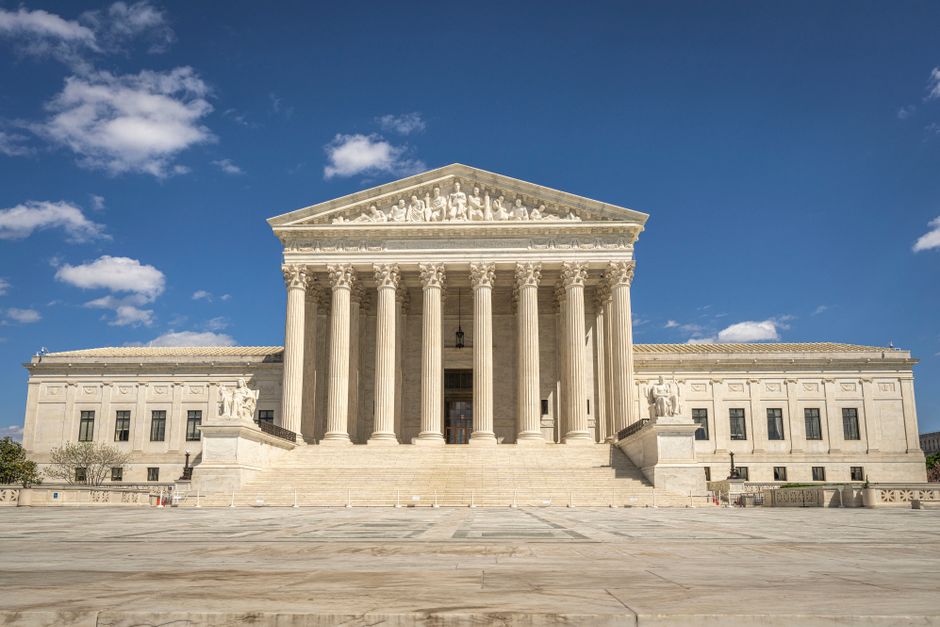
The Court's refusal to act leaves a 9th Circuit ruling blocking federal termination of tens of millions in higher education grants in place, limiting the administration's immediate legal options...
The U.S. Supreme Court on November 16, 2026, declined to hear an appeal from the Trump administration seeking to terminate tens of millions of dollars in research grants to higher education institutions in California, according to a one-line order issued by the Court. The order offered no explanation, and no justices noted a dissent.
The administration had asked the Court to review a May 2026 decision from the U.S. Court of Appeals for the 9th Circuit, which had blocked the grant terminations. The grants were targeted as part of the administration's broader effort to eliminate diversity, equity, and inclusion programs at federally funded institutions, as reported by The Hill.
The specific dollar amount of the grants at issue was described by The Hill as "tens of millions," but the precise figure has not been confirmed in publicly available court filings reviewed for this story. The exact sum would appear in the underlying district court record and the 9th Circuit case docket.
By declining to take the case, the Supreme Court left the 9th Circuit ruling intact without setting any national legal precedent. A denial of certiorari does not constitute a ruling on the merits. It means only that at least six justices declined to grant review, which requires four votes under the Court's standard practice.
The Trump administration's push to eliminate DEI-related federal spending has proceeded through multiple federal agencies since January 2025. Executive Order 14173, signed on January 20, 2025, directed agencies to terminate DEI programs and conditions attached to federal contracts and grants. That order has faced legal challenges in multiple circuits.
The California institutions involved in this specific case were not named in available reporting. The names of the universities, the specific grant programs at issue, and the administering federal agency would appear in the 9th Circuit case record, which is a public document accessible through the PACER federal court filing system.
The 9th Circuit, which covers California, Oregon, Washington, and several other western states, has issued multiple rulings against executive branch actions since 2025. Its decisions apply within those jurisdictions unless reviewed and reversed by the Supreme Court.
Congress has not passed legislation codifying or prohibiting DEI requirements in federal grant-making. The legal authority for the administration's grant terminations has rested on executive orders and agency rulemaking rather than statute, a factor cited in lower court rulings blocking those terminations.
Opponents of the DEI grant cuts, including university administrators and civil rights organizations, have argued in court filings that terminating mid-cycle grants violates the Administrative Procedure Act and contractual obligations to grantees. The administration has argued that agencies retain discretion to enforce grant conditions aligned with executive policy.
The legal status of DEI-related grant terminations in other circuits remains unsettled. Cases involving similar grant terminations are pending in federal courts outside the 9th Circuit, meaning different rules may apply in different parts of the country until the Supreme Court addresses the question directly.
What remains unknown is whether the administration will seek to reinstate the grant terminations through revised agency procedures, pursue new rulemaking, or wait for a case in a different circuit to create a split that might prompt the Supreme Court to grant review. The administrative record at the relevant agency would be the first document to consult if new agency action is taken.