House Democrats Plan Rules Package With at Least 255 Seats Secured
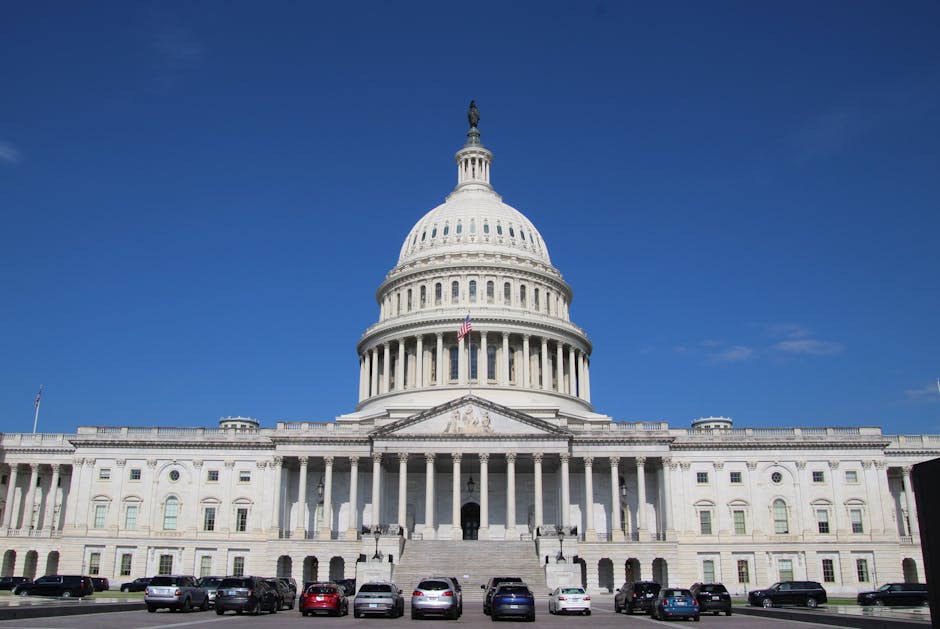
A Democratic majority of that size gives the party enough votes to pass a rules package unilaterally, reshaping committee structures and floor procedures for the 120th Congress.
House Democrats are set to hold at least 255 seats in the next Congress and are actively drafting a rules package that would replace the current Republican-written chamber rules when the new Congress convenes in January, according to reporting by the Washington Examiner.
A majority in the House requires 218 votes. With 255 confirmed seats, Democrats would have a margin of 37 votes above that threshold, meaning they could pass a rules package even if dozens of members were absent or voted against leadership's preferred version.
The rules package for each new Congress is introduced in the first days of the session and governs how the chamber operates for the following two years. It sets procedures for floor debate, determines committee ratios, establishes spending and budget enforcement mechanisms, and can expand or restrict the powers of the Speaker. The package passes by a simple majority vote.
Democrats floated several potential changes in their first week back following the midterm elections, according to the Washington Examiner report. The specific proposals under discussion were not fully detailed in the available source material. The full text of any proposed rules package would be published in the Congressional Record upon introduction, which has not yet occurred as of November 12, 2026.
The current rules package, adopted at the start of the 119th Congress under Republican leadership, included provisions such as a reinstatement of the Holman Rule, which allows appropriations bills to be used to cut specific federal salaries or positions. Whether Democrats intend to remove that provision or others from the existing framework is not confirmed in available public records.
Historically, the majority party uses the rules package to consolidate procedural advantages. When Republicans took the House in January 2023, they negotiated rules changes with their most conservative members over several days of Speaker votes before settling on a package. Democrats, with a larger margin than Republicans held in that Congress, face fewer internal arithmetic constraints, though factional disagreements within their caucus could still affect final negotiations.
Committee chairmanships are determined separately from the rules package, through the Democratic Caucus steering committee process. Chair assignments would affect which members lead oversight of federal agencies, the budget, judiciary matters, and foreign affairs, among other areas. As previously reported by The Congressional Times, Sen. Jeff Merkley of Oregon has indicated interest in leading the Senate Environment Committee following Democratic gains in that chamber as well. For House committee assignments, no final roster has been published as of this writing.
Musk-aligned interests and executive branch oversight are likely to be a subject of Democratic committee activity once the majority is seated, based on public statements by Democratic members cited in the Bloomberg report from November 12, 2026. However, no specific committee jurisdiction decisions or subpoena authorizations are on the public record yet.
The rules debate also carries budget implications. Rules governing the budget process, including pay-as-you-go requirements and spending caps, can be waived or restored through the rules package. During the last Democratic majority in the 117th Congress, the House adopted a modified pay-as-you-go rule that excluded certain social spending from deficit scoring requirements. Whether the incoming majority will adopt a similar approach is not yet documented in any public filing or congressional record.
What remains unknown: the specific text of any proposed rules package, the full list of committee chair nominees, and whether any intraparty negotiations will modify the initial draft before a floor vote. The Congressional Record will publish the full rules package upon its introduction, which is expected in the first days of January 2027. The House Democratic Caucus may also release a summary document through its official communications prior to that date.