US House Passes Bill Shielding Small Businesses From Foreign Cyber Threats
The legislation places North Korea alongside China, Russia, and Iran as named adversaries in a new federal framework for small business cybersecurity support, extending national security concerns...
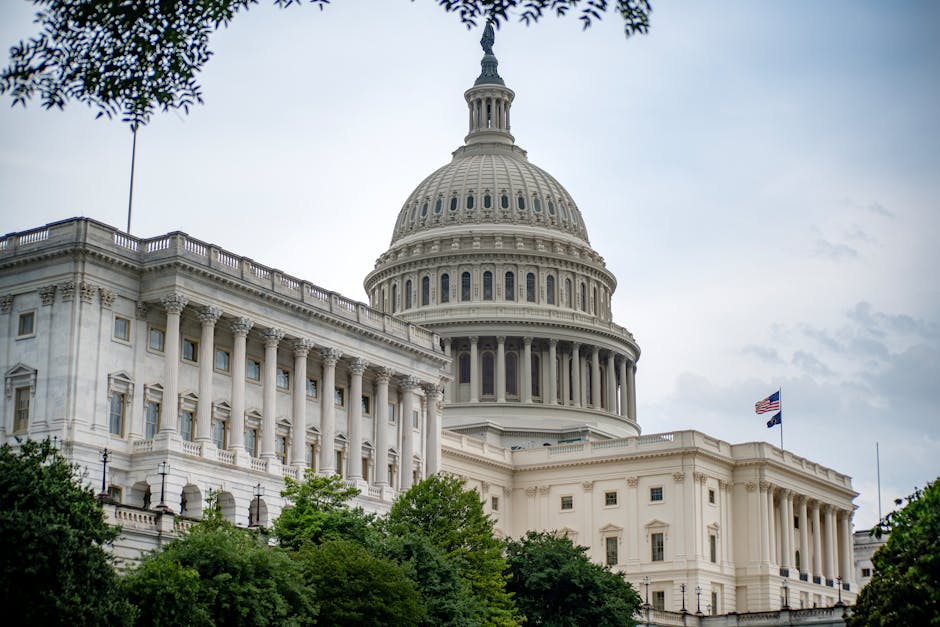
The U.S. House of Representatives passed the Combating Foreign Threats to Main Street Act of 2026 on Wednesday, November 12, directing the Small Business Administration to provide American small businesses with information and guidance on economic and cybersecurity threats posed by foreign adversaries, according to The Korea Times.
The bill specifically names North Korea as one of the designated foreign adversaries whose activities the SBA would be required to address under the new framework. The inclusion of Pyongyang places it alongside other nations previously categorized as adversaries under existing U.S. Law, including China, Russia, and Iran.
The legislation tasks the SBA with an active informational role, requiring the agency to disseminate threat-awareness resources to the small business sector. The precise scope of the guidance, including whether it would include technical cybersecurity recommendations or purely informational materials, was not fully detailed in publicly available summaries of the bill as of the time of publication.
The bill's passage comes at a moment when North Korean cyber operations have drawn heightened scrutiny from the financial sector. Global cryptocurrency exchange Binance disclosed Thursday that it has completed coverage of assets affected by a large cyberattack attributed to North Korean actors, committing more than $6.34 billion in company funds to compensate for the losses, according to The Korea Times.
Binance said in a statement on its website that the funds were drawn from its Secure Asset Fund to restore affected user assets. The company stated: "Binance has completed coverage of assets impacted in the security incident." The statement did not name a specific attacker, but The Korea Times reported the attack was blamed on North Korea.
The Binance incident illustrates the scale of financial damage that state-linked cyber operations can inflict on private sector entities. The $6.34 billion figure represents one of the largest publicly disclosed coverages of a single cyberattack-related loss in the cryptocurrency sector, based on available reporting.
North Korea has been linked by U.S. And United Nations investigators to a systematic campaign of cryptocurrency theft used in part to fund its weapons programs. A 2024 United Nations Panel of Experts report found that North Korean cyber actors had stolen an estimated $3 billion in cryptocurrency between 2017 and 2023, with proceeds directed toward ballistic missile and nuclear development.
Small businesses represent a distinct category of vulnerability in the broader cybersecurity landscape. The U.S. Small Business Administration's own data has indicated that small businesses account for a significant share of the American economy, employing roughly 46 percent of the private-sector workforce as of recent SBA figures, making systemic attacks on that sector a potential source of broad economic disruption.
The bill must still pass the U.S. Senate and be signed into law before its provisions take effect. The Senate's timeline for taking up the measure was not announced as of November 12, 2026. Whether the Senate will adopt the bill as passed, amend it, or defer action is not yet known.
The legislation reflects a broader congressional effort to integrate national security considerations into domestic economic institutions. Prior measures in this area have included restrictions on federal procurement from companies with ties to named foreign adversaries, as well as export controls administered by the Commerce Department's Bureau of Industry and Security.
For the House measure to become operational, the SBA would require additional rulemaking to define the specific form and delivery mechanism of the threat guidance it must provide. No implementation timeline was included in publicly available bill summaries as of the time of this report.