Independent Voters Handed Democrats Midterm Gains, Analysts Say
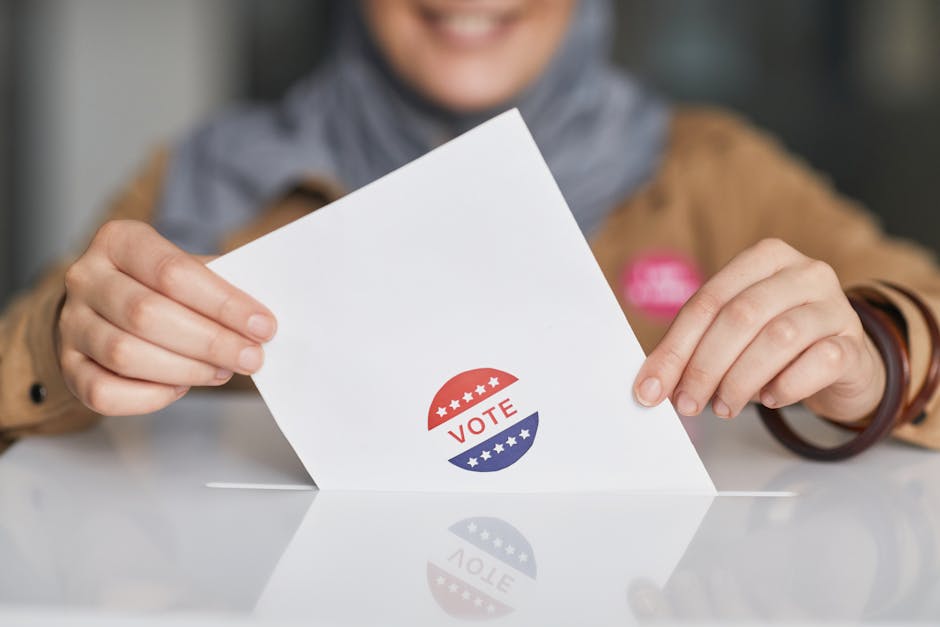
If the 2026 midterm results hold as described, independent voters shifted the House balance in a pattern consistent with the six-year itch phenomenon that has historically disadvantaged the party...
Independent voters were the decisive factor in the 2026 midterm elections, delivering what analysts across the political spectrum are characterizing as a broad setback for House Republicans, according to post-election reporting published November 11, 2026, by RealClearPolitics.
The RealClearPolitics analysis, published the day after Election Day, stated that independents functioned as 'deciders-in-chief' who used their votes to 'send a tough message to the president and his party.' The piece described the Republican result as 'both broad and deep,' though precise seat-change totals were not specified in the available source material. The official certified results, which would reflect final seat counts, have not yet been published by the House Clerk's office as of November 12, 2026.
The outcome fits a recurring historical pattern. In midterm elections since World War II, the party holding the White House has lost House seats in all but three cycles: 1934, 1998, and 2002. The mean loss for the president's party in midterm years is approximately 28 seats, according to data compiled by the nonpartisan Cook Political Report in prior election cycles. Whether the 2026 results conform to, exceed, or fall below that historical average cannot be confirmed until official returns are certified by each state.
A second analysis published the same day by RealClearPolitics argued that the Republican Party faces a structural challenge on economic affordability. The piece stated: 'If Republicans cannot provide better solutions on affordability than the Democrats, they will never again win a meaningful election.' That framing reflects commentary, not a verifiable data claim, and is attributed to the opinion contributor, not to any polling or financial data.
On the Democratic side, a separate RealClearPolitics piece published November 11, 2026, reported that Democrats made 'important gains' among working-class voters, a demographic the party has worked to recapture since significant erosion in the 2010s and accelerating losses documented in the 2020 and 2022 cycles, per exit polling archived by Edison Research. The piece noted the party has not fully reclaimed that coalition and characterized the shift as incomplete.
Affordability and cost-of-living concerns appear to have been central to voter decision-making, based on the consensus of post-election commentary from operatives and officials on both sides of the aisle, as aggregated in a RealClearPolitics roundup that included responses from former South Bend Mayor Pete Buttigieg, New York City mayoral candidate Zohran Mamdani, Republican strategist Karl Rove, and American Compass founder Oren Cass, among others. (RealClearPolitics, November 11, 2026). That roundup reflects political opinion, not tabulated survey data.
Ballot initiative results on abortion also featured in post-election analysis. A RealClearPolitics piece dated November 11, 2026, referenced abortion alongside felon voting rights and education policy as issues that appeared on state ballots, though specific state-by-state results and vote margins were not detailed in the available source material. (RealClearPolitics, November 11, 2026). Abortion ballot measures have been tracked by the Guttmacher Institute and Ballotpedia in prior cycles; their 2026 tallies had not been published in full as of the date of this report.
The question of Democratic leadership following the midterm outcome remains active. Senate Minority Leader Chuck Schumer (D-NY) has faced reported pressure from within his caucus since election night, as covered previously by this publication. (Schumer Faces Internal Democratic Pressure After 2026 Midterm Losses). Whether House Minority Leader Hakeem Jeffries (D-NY) faces similar internal review is not established by available public statements or congressional records as of November 12, 2026.
What remains unknown: the certified seat-change totals for the House and Senate, the breakdown of independent voter movement by congressional district, and the effect of specific ballot measures on candidate-level results. The House Clerk's office publishes certified vote totals for each congressional race; those documents, once available, would allow precise quantification of the independent voter shift and the net seat change. State election certifications, which vary in deadline by state law, would provide the authoritative ballot initiative margins.