Bay Area Bridge Tolls Rise to $10 on January 1, 2027
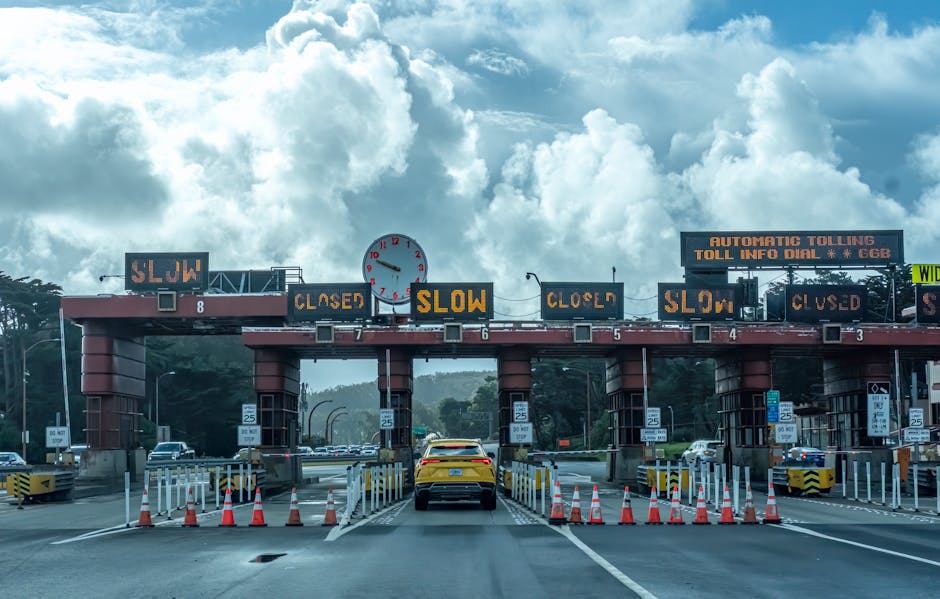
The $1.50 per-crossing increase affects seven state-owned bridges and will apply to an estimated millions of daily commuters in the region, raising questions about the federal nexus of regional...
Tolls on seven Bay Area bridges will increase from $8.50 to $10.00 per crossing beginning January 1, 2027, according to a report published November 11, 2026, by the New York Post. The affected crossings are the Antioch, Benicia-Martinez, Carquinez, Dumbarton, Richmond-San Rafael, San Mateo-Hayward, and San Francisco-Oakland Bay bridges.
The seven bridges are operated by the Bay Area Toll Authority (BATA), a unit of the Metropolitan Transportation Commission (MTC). The MTC is a federally designated Metropolitan Planning Organization (MPO) under 23 U.S.C. Section 134, meaning it receives and distributes federal surface transportation funds appropriated by Congress. The agency's annual Unified Work Program, a public document filed with the Federal Highway Administration, details those funding streams.
The $1.50 increase represents a 17.6 percent rise over the current $8.50 base toll. The prior base toll of $6.00 was raised to $8.50 in 2019 under Regional Measure 3, a ballot measure approved by Bay Area voters in June 2018. That measure authorized toll increases in three separate increments, according to MTC public records. The January 2027 adjustment is the final scheduled increment under that voter-approved schedule.
Regional Measure 3 was authorized under California Streets and Highways Code Section 30914.7. The measure passed with approximately 55 percent of the vote across the nine-county Bay Area region, as recorded in certified election results filed with the California Secretary of State.
The increase has a direct federal dimension. Bay Area bridge infrastructure has received federal capital funding through multiple congressional appropriations. The San Francisco-Oakland Bay Bridge eastern span replacement, completed in 2013, drew on federal grants and loans administered through the Federal Highway Administration. The total project cost was approximately $6.4 billion, according to Caltrans project records. Toll revenues on the affected bridges service debt obligations connected to that and other capital projects.
At the federal level, surface transportation policy is governed by the Infrastructure Investment and Jobs Act (Public Law 117-58), signed in November 2021, which authorized $110 billion for roads and bridges nationally over five years. Formula funding allocations to California under that law flow in part through the MTC as the designated MPO. The precise share directed to Bay Area bridge operations versus other projects is documented in the MTC's Transportation Improvement Program, a federally required planning document updated annually.
The toll increase does not require an act of Congress, as it was pre-authorized by the 2018 state ballot measure. However, the MTC's reliance on federal formula dollars means that federal transportation policy directly affects the financial baseline against which toll revenues are set. Any reduction in federal highway aid to California would affect the agency's overall capital and operating budget.
Commuters who use the FasTrak electronic toll system pay the standard rate. Cash and pay-by-plate customers are assessed a higher fee, the precise amount of which is set by BATA administrative resolution and is a matter of public record through the MTC's governing board minutes.
The bridges subject to the increase handle combined daily crossings numbering in the millions, according to MTC traffic count data published in its annual report. The Bay Bridge alone recorded approximately 100,000 vehicle crossings per day in pre-pandemic counts. Current post-pandemic traffic figures are available in MTC's most recent annual traffic report, the specific total for fiscal year 2025-2026 not having been confirmed in the source material reviewed for this article.
Several questions remain unanswered by currently available public records. It is not yet known whether BATA will pursue any additional toll adjustments beyond those authorized by Regional Measure 3, or whether the MTC governing board will consider any low-income toll assistance programs tied to the January 2027 increase. Those determinations, if made, would appear in MTC board meeting minutes and resolutions, which are publicly posted on the MTC website. Additionally, the specific federal aid amounts credited to each of the seven affected bridges in fiscal year 2026 would be disclosed in the MTC's Comprehensive Annual Financial Report, which had not been published for the current fiscal year as of this writing.