African Nations Press for Climate Finance Reforms Before COP31 Opens
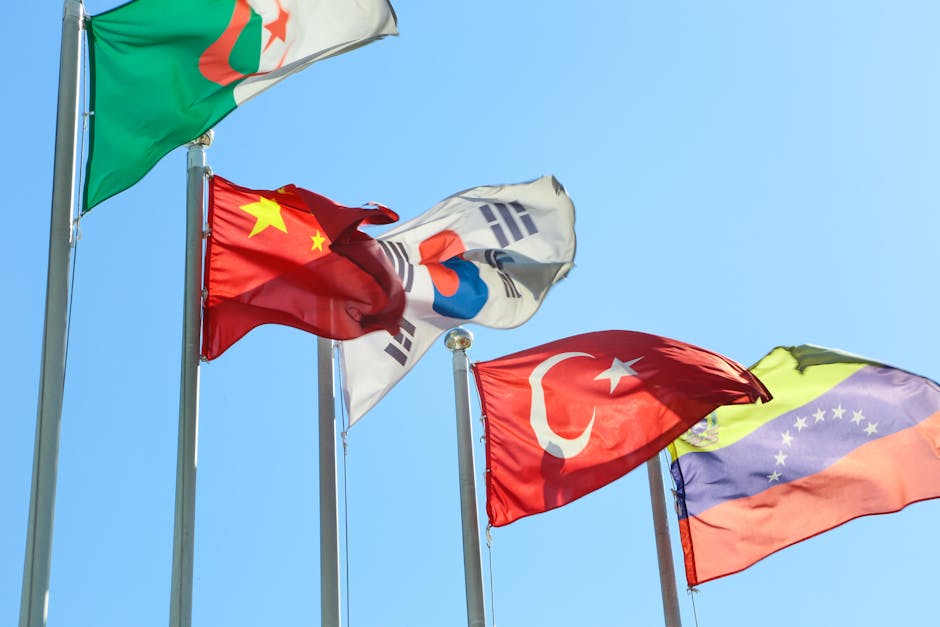
With COP31 beginning November 9 in Turkey, the gap between African countries' funding needs and what wealthy nations have delivered is becoming a central fault line in multilateral climate...
African climate advocates and governments are intensifying calls for greater decision-making authority and increased grant-based funding ahead of the United Nations COP31 climate conference, scheduled to run from November 9 to 20, 2026, in Turkey, according to reporting by Daily Maverick.
The core demand from African delegations centers on two issues: access to climate finance in the form of grants rather than loans, and a larger formal role in shaping the policies that govern how that money is distributed and spent, according to the same Daily Maverick report.
Africa contributes less than 4 percent of global cumulative greenhouse gas emissions, according to data from the International Energy Agency, yet the continent faces measurable impacts including prolonged drought cycles, irregular rainfall, and coastal flooding. The Daily Maverick report cites these compounding conditions as the basis for African nations arguing they should not bear disproportionate financial costs through debt-structured climate aid.
The financing dispute has a documented history. At COP15 in Copenhagen in 2009, wealthy nations pledged to mobilize $100 billion per year in climate finance for developing countries by 2020. The Organisation for Economic Co-operation and Development reported in 2023 that the $100 billion target was first met in 2022, two years behind schedule, and that a significant portion of the money counted toward the target was delivered as loans rather than grants.
A new climate finance goal, known formally as the New Collective Quantified Goal on Climate Finance, was agreed at COP29 in Baku, Azerbaijan, in November 2024. Under that agreement, developed nations committed to providing at least $300 billion per year to developing countries by 2035, according to the UN Framework Convention on Climate Change secretariat. African delegations and civil society groups have stated publicly that this figure remains insufficient relative to assessed needs.
The African Group of Negotiators, a formal bloc within the UNFCCC process, has consistently argued that the structure of climate finance packages disadvantages lower-income countries by adding to sovereign debt burdens. The group has also called for simplified access mechanisms that allow African governments and local institutions to apply for funds directly, rather than through multilateral intermediaries.
Adaptation funding is a particular pressure point. The UN Environment Programme's 2023 Adaptation Gap Report found that estimated adaptation costs for developing nations could reach $387 billion per year by 2030, while actual finance flows for adaptation remain well below $50 billion annually. African negotiators at COP31 are expected to press for a binding commitment to close that gap.
The question of governance influence is separate from funding volume. African nations have argued in formal UNFCCC submissions that decision-making structures within bodies such as the Green Climate Fund and the Adaptation Fund remain weighted toward donor-country preferences, limiting recipient-country direction over how funds are used. Procedural reforms are expected to be part of the African bloc's formal agenda at COP31.
Turkey's role as host adds a geographic dimension to the negotiations. Turkey, classified as a developed country under the original UNFCCC framework but seeking reclassification, has its own ongoing disputes with the convention's financial architecture. It is not yet clear whether the host country's status will affect the procedural dynamics of this year's talks. The UNFCCC has not issued a ruling on Turkey's reclassification request as of the date of this publication.
The outcome of COP31 on these specific demands, including whether grant ratios will increase, whether governance reforms will be adopted, and whether the $300 billion floor will be revisited, will depend on consensus among all parties. No binding vote mechanism exists under the UNFCCC; decisions require consensus, which has historically slowed or diluted African bloc proposals.
COP31 opens November 9, 2026. Formal negotiating text from the conference will become available through the UNFCCC secretariat at unfccc.int as sessions progress.