House Democrats to Launch Epstein File Investigations After Midterm Gains
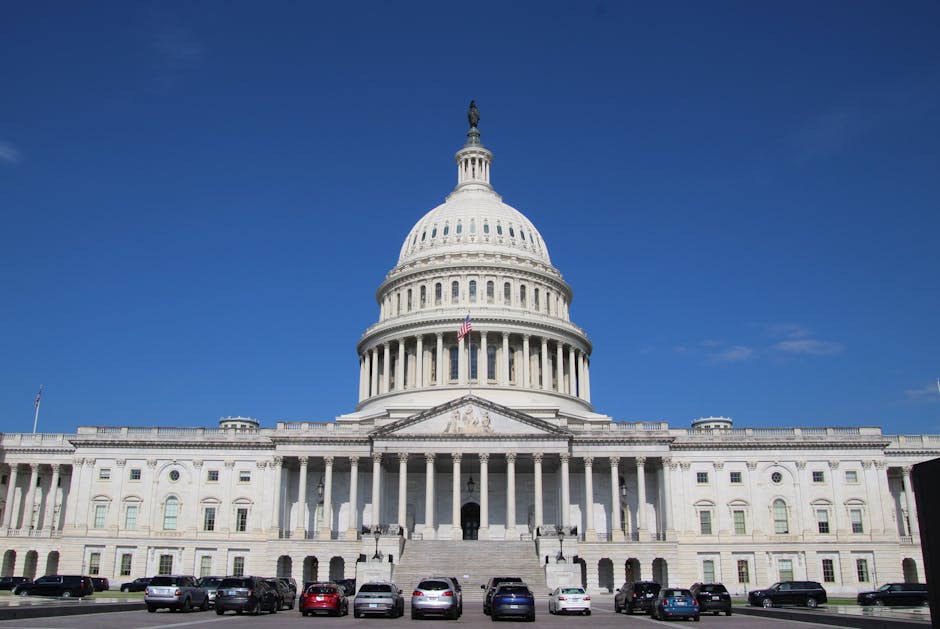
With Democrats projected to hold a House majority following the 2026 midterms, the party's incoming committee leadership gains subpoena authority that could compel document production the Trump...
A senior House Democrat has pledged new investigations into the Jeffrey Epstein files upon Congress returning next week, according to Axios, citing the party's projected midterm gains as the basis for renewed legislative oversight. The commitment signals that Epstein-related document transparency will be among the first oversight priorities of the incoming Democratic House majority.
The Epstein files have remained a recurring political issue throughout President Trump's second term. According to Axios, the topic featured prominently in midterm campaign messaging ahead of the November 4, 2026 elections. The precise content of the disputed files, and which specific documents remain withheld, has not been confirmed in any single public court or agency record.
As of November 5, 2026, Democrats are projected to have won a House majority, as covered in prior reporting by The Congressional Times. A majority in the House confers chairmanships of all standing committees, restoring Democratic control over the subpoena process, which requires a committee vote but does not require Senate or White House concurrence.
The Epstein criminal case was prosecuted in the Southern District of New York. Court records filed in that district, as well as related civil litigation in the Southern District of Florida, have produced the primary body of public documents associated with Epstein and individuals connected to him. Additional materials have been sought by advocacy groups and members of Congress through Freedom of Information Act requests directed at the FBI and the Justice Department.
During the 119th Congress, Republicans held House committee chairmanships. No House committee issued a formal subpoena for Epstein-related executive branch documents during that session, based on the public congressional record available through the House Clerk's office. What specific requests were made informally or in writing to the Justice Department during that period is not fully documented in public filings.
The incoming Democratic majority's investigative reach will depend on which committees assert jurisdiction. The House Judiciary Committee holds primary oversight authority over the Justice Department and the FBI. The House Oversight and Accountability Committee holds broader authority to investigate executive branch conduct. Either committee could issue subpoenas once chairmanships are formally assigned following the new Congress being seated in January 2027.
It is unknown at this time which specific documents Democrats intend to subpoena, which agencies would be the named recipients, or whether the Trump administration would assert executive privilege in response. Executive privilege claims are litigable, and any dispute would likely be filed in the United States District Court for the District of Columbia, following the procedural precedent established in prior congressional-executive privilege disputes.
The Axios report does not name the specific House Democrat who made the investigation pledge, referring only to "a top House Democrat." The identity of that member, and whether they are in line for a relevant committee chairmanship, is not confirmed in the source material. A named commitment in the Congressional Record or a formal letter to the Justice Department would constitute the next verifiable step.
Public interest in the Epstein files has been sustained by sealed document releases ordered in federal civil litigation, including materials released by the Southern District of New York and ordered unsealed by the Second Circuit Court of Appeals in prior years. Those releases identified names of individuals who interacted with Epstein but did not constitute a comprehensive disclosure of all investigative materials held by federal agencies.
What remains unknown is the full scope of FBI and Justice Department holdings related to the Epstein investigation, whether any materials were classified, and what legal standard the incoming House majority would apply to compel their production. The answers to those questions would appear first in a formal committee subpoena, any executive branch response letter, and, if contested, in court filings in the District of Columbia federal district court.
For broader context on the midterm results that produced the Democratic House majority underlying this oversight shift, see Democrats Win House and Senate as Voter Anger Drives 2026 Midterm Shift.