Trump Calls Murkowski 'Worst Senator,' Targets Alaska Ranked Choice Voting
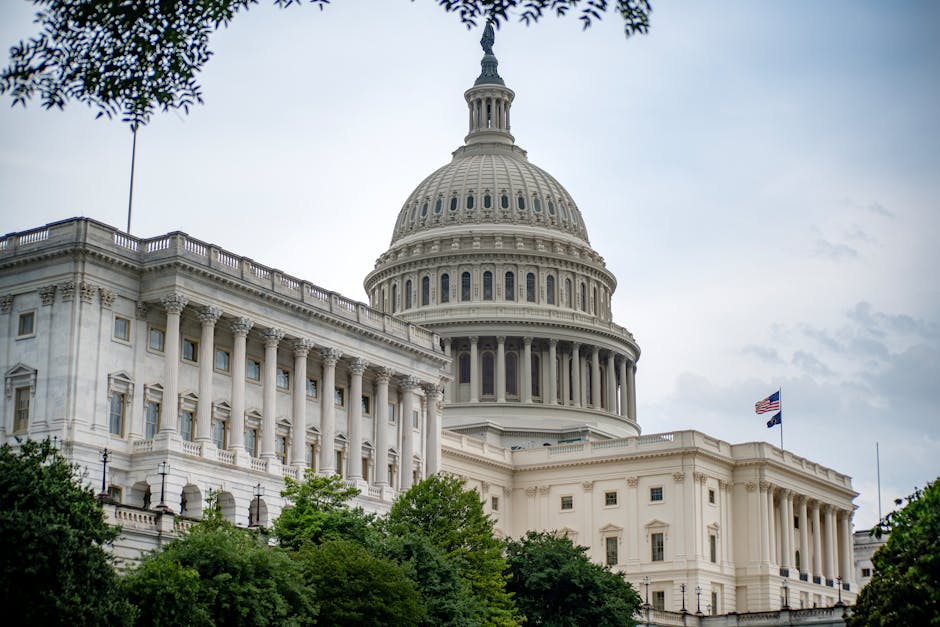
The public conflict between a sitting president and a senator of his own party has direct implications for Alaska's 2026 Senate race and the Republican caucus majority in that chamber.
President Donald Trump, in a post on his Truth Social platform on Saturday, October 25, 2026, described Sen. Lisa Murkowski (R-Alaska) as "The Republicans' Worst Senator, by far" and criticized Alaska's ranked choice voting system, according to reporting by The Hill. The post marked an escalation in the ongoing dispute between the president and one of the few Republican senators who has repeatedly voted against his legislative priorities.
Trump's post also called Murkowski a "disgrace" to Alaska and credited his own administration with delivering what he described as "Billions and Billions of Dollars" to the state on a continuing basis. The Hill's report quoted his language directly. No specific federal expenditure figure or USASpending.gov contract total was cited by Trump or attributed to a particular program in the available source material. A full accounting of federal spending directed to Alaska during Trump's current term would be available through USASpending.gov by agency and fiscal year.
Murkowski has served as Alaska's senior senator since 2002, first appointed by her father, then-Gov. Frank Murkowski, and subsequently elected in 2004, 2010, and 2022, according to the Senate's official biographical directory. Her 2022 reelection occurred under Alaska's ranked choice voting system, which voters adopted via Ballot Measure 2 in November 2020. Under that system, which combines a nonpartisan top-four primary with a ranked choice general election, Murkowski defeated Republican Kelly Tshibaka, who had received Trump's endorsement.
Trump's criticism of ranked choice voting in Saturday's post continued a pattern he has maintained since Murkowski's 2022 victory. He has argued that the system produces outcomes favorable to candidates he considers insufficiently aligned with his policy agenda. Ranked choice voting critics across both parties have raised procedural objections to the system, while supporters argue it reduces strategic voting and broadens electoral competition.
Murkowski's voting record is publicly available through the Senate's congressional record. She was one of seven Republican senators who voted to convict Trump in his second impeachment trial in February 2021, following the January 6, 2021 Capitol breach. She has also broken with Republican leadership on judicial nominees, budget votes, and healthcare legislation during both Trump's first and second terms.
The conflict carries direct relevance to the 2026 midterm cycle. Murkowski's Senate seat is not on the ballot in 2026. Her current term runs through January 2029, per the Senate directory. However, the Republican caucus's working majority in the Senate, and Trump's ability to advance legislative priorities, depends in part on managing intraparty disagreements with members such as Murkowski, who have declined to vote as a unified bloc with leadership on multiple occasions.
Alaska's ranked choice voting system itself is a subject of ongoing legislative debate at the state level. A repeal measure was placed on the Alaska ballot in November 2024, and voters chose to keep the system in place, according to the Alaska Division of Elections' certified results. The result did not resolve federal-level criticism of the system from Trump and allied figures.
Trump's midterm political activity has been documented across multiple Republican Senate and House races in 2026. As previously reported by The Congressional Times, Vice President Vance has visited 12 states in four months on behalf of GOP midterm candidates, a campaign effort that reflects the administration's investment in preserving and expanding its congressional majority.
The senator's office had not issued a public response to Saturday's post as of the time of publication. Whether Murkowski intends to respond, and through what forum, is unknown. Any formal Senate floor statement would become part of the Congressional Record and be publicly accessible through congress.gov.
What remains unknown is whether Trump's criticism reflects coordination with any Republican challenger preparing to run against Murkowski in 2028, and whether any such campaign has filed organizational paperwork with the Federal Election Commission. An FEC search under Alaska Senate filings for the 2028 cycle would reveal any such activity. No such filing has been publicly reported as of October 25, 2026.