Thune Presses Trump for Midterm Battleground Funding as Senate Majority at Risk
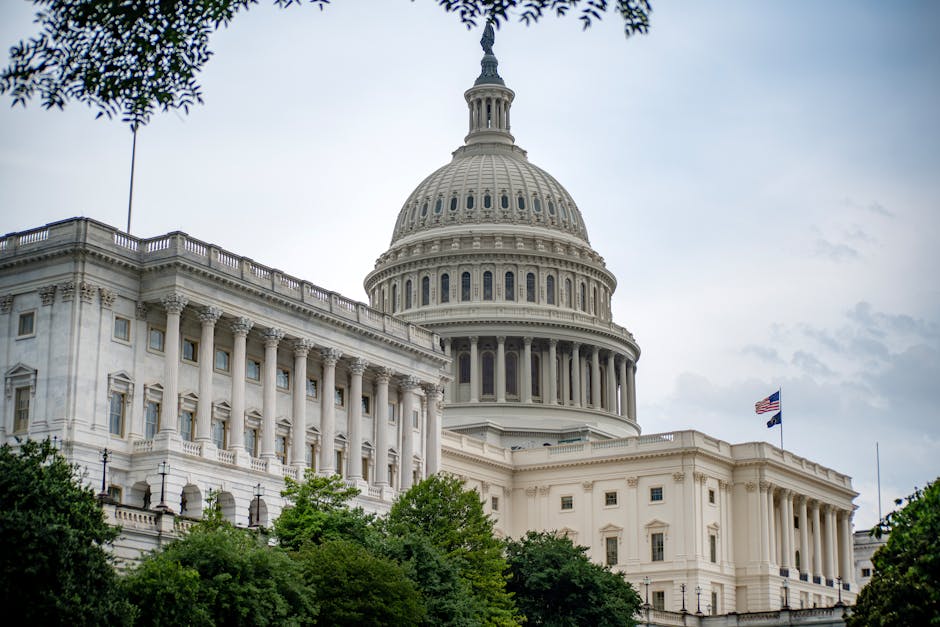
The Senate Majority Leader's public disclosure of direct appeals to the White House signals internal Republican concern about resource allocation in competitive November races.
Senate Majority Leader John Thune (R-SD) confirmed Monday that he is personally pressing President Donald Trump and the president's advisers to direct more funding toward battleground Senate races ahead of the November 2026 midterm elections. Thune made the disclosure in an interview with Politico, stating he has raised the question of campaign resources in direct conversations with Trump.
Thune's appeal comes as Republicans work to defend a Senate majority that faces competitive contests in multiple states. According to the Washington Examiner's report on the interview, the Republican party has already committed substantial funds to the Texas Senate race, where a Democratic incumbent is being targeted.
The Texas race has drawn significant national attention and spending from both parties. The specific dollar amounts committed by the National Republican Senatorial Committee (NRSC) and the Democratic Senatorial Campaign Committee (DSCC) to that contest are disclosed in Federal Election Commission filings. The most recent FEC reports available through the October 2026 quarterly filing period would reflect current independent expenditure totals.
Thune became Senate Majority Leader in January 2025 following the retirement of former Majority Leader Mitch McConnell (R-KY). His role places him as the primary steward of the Republican Senate majority, giving him direct institutional interest in the outcome of November races.
The Senate currently operates under a Republican majority established after the 2024 elections. Control of the chamber in the 120th Congress will be determined by November results, with multiple seats in states carried by both parties in recent presidential elections rated as competitive by nonpartisan forecasters.
Thune's decision to make his White House appeals public through a press interview, rather than keeping them internal, is notable from a process standpoint. Senate majority leaders historically coordinate with sitting presidents of the same party on campaign resource questions, but the specifics of those conversations are rarely disclosed by the majority leader directly.
The broader question of how Republican campaign dollars are distributed between the NRSC, individual candidate committees, and outside super PACs is governed by FEC coordination rules. Independent expenditure committees may spend without limit but cannot legally coordinate strategy with candidates. The NRSC's coordinated expenditure limits are set per-cycle by FEC formula based on state voting-age population.
On the Democratic side, the DSCC has similarly been allocating resources across competitive states. FEC filings through the September 2026 reporting period, which became public in early October, would show the comparative spending levels of both party committees across individual races.
Thune did not specify in the Politico interview which additional states or candidates he believes require more resources, nor did he disclose what dollar figure he has requested from Trump or Trump-affiliated political organizations. Those specifics are unknown. FEC filings from the NRSC and any Trump-affiliated political action committees for the October quarterly period, due in mid-October 2026, would provide the clearest picture of whether any new funding commitments follow from Thune's appeal.
The midterm elections on November 3, 2026, will determine the composition of the 120th Congress. Voters in all 435 House districts and 34 Senate seats will cast ballots. For context on the broader competitive landscape heading into those contests, see Progressive Candidates Post Gains in Three Races Ahead of 2026 Midterms.
What remains unknown at this stage is whether Trump or his affiliated political organizations will increase direct or coordinated financial support for the races Thune has identified. The NRSC's next FEC filing and any new independent expenditure disclosures from Trump-aligned super PACs would answer that question.