U.S. August Trade Deficit Reaches $105.6 Billion Amid Tariff Disputes
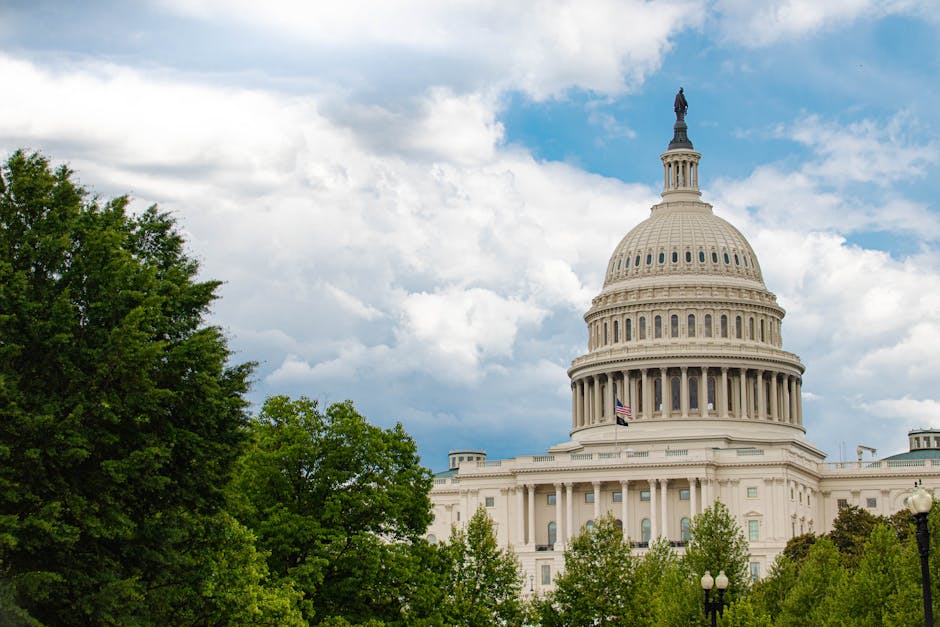
A trade gap of this size, arriving alongside competing legal and policy pressures on tariff authority, will test how Congress and the White House coordinate trade enforcement through the remainder...
The U.S. Goods and services trade deficit for August 2026 reached $105.6 billion, according to a commentary published October 6, 2026, by Peter Navarro in RealClearMarkets. The Bureau of Economic Analysis and the U.S. Census Bureau jointly release monthly trade balance data; the official August release serves as the primary public record for this figure.
Navarro, who served as trade adviser in the first Trump administration and returned to a senior White House role in the second, described the August number as reflecting "two very different stories," referencing what he characterized as the Supreme Court's February decision affecting presidential tariff authority. The specific case name and docket number were not included in the available source excerpt. The full text of any relevant Supreme Court ruling would be the authoritative record on the scope of that decision.
A deficit of $105.6 billion in a single month, if confirmed by the official Census and BEA release, would rank among the larger monthly trade gaps in recent U.S. History. For comparison, the Census Bureau reported the July 2026 trade deficit at $78.8 billion in its September 2026 release. The month-over-month change between those two figures, if accurate, would represent an increase of approximately $26.8 billion, or roughly 34 percent.
The trade deficit is calculated as the value of U.S. Imports of goods and services minus the value of U.S. Exports in the same period. A wider deficit means the U.S. Purchased more from abroad than it sold overseas during that month. The figure does not by itself indicate whether domestic production rose or fell; import surges can occur when U.S. Consumer or business demand is strong, or when importers accelerate purchases ahead of anticipated tariff increases.
Tariff policy has been a central variable in monthly trade data since 2018, when the first Trump administration imposed duties under Sections 201, 232, and 301 of various trade statutes. Those duties were contested in federal courts throughout the subsequent years. The current administration reimposed and expanded tariffs beginning in 2025. The extent to which any court ruling has constrained or preserved that authority in 2026 is not fully determinable from the available source excerpt alone; the relevant court filings and orders would establish the precise legal status.
Congressional trade authority under Article I, Section 8 of the Constitution grants Congress the power to regulate commerce with foreign nations and to lay and collect duties. Congress has delegated portions of that authority to the executive branch through statutes including the Trade Expansion Act of 1962 and the Trade Act of 1974. Any judicial ruling that modifies the boundaries of delegated authority would directly affect which tariff actions the executive branch can implement without additional congressional authorization.
The Senate Finance Committee and the House Ways and Means Committee hold primary jurisdiction over trade legislation. Neither committee had issued a public statement on the August trade data at the time of publication, based on available records. Committee hearing schedules are posted on congress.gov and would reflect any formal legislative response.
Importers, exporters, and domestic manufacturers are the parties most directly affected by the intersection of a widening trade deficit and uncertain tariff authority. Businesses that have structured supply chains around existing tariff schedules face planning uncertainty when those schedules are subject to litigation. The U.S. Chamber of Commerce and the National Association of Manufacturers, both of which file public comments with the Office of the U.S. Trade Representative, are among the organized groups that have engaged formally on tariff policy. USTR maintains a public docket of those submissions.
The U.S. Economy's broader context includes the October consumer sentiment data covered in U.S. Economic Optimism Index Reaches Seven-Month High in October, which may bear on how the trade figures are interpreted by policymakers weighing domestic demand against import volumes.
Several material facts remain unknown from the available source material. The name and docket number of the Supreme Court case Navarro references are not identified in the excerpt. The precise commodities driving the August import surge are not specified; the Census Bureau's detailed goods breakdown by category, published alongside the headline deficit figure, would answer that question. It is also unknown whether the administration has sought emergency tariff authority from Congress in response to any court ruling, or whether any legislation to that effect has been introduced. The congressional record on congress.gov and the USTR public docket would be the authoritative sources for those answers.