Estonia Attributes Arson at Ukraine Vehicle Supplier to Russian State Actors
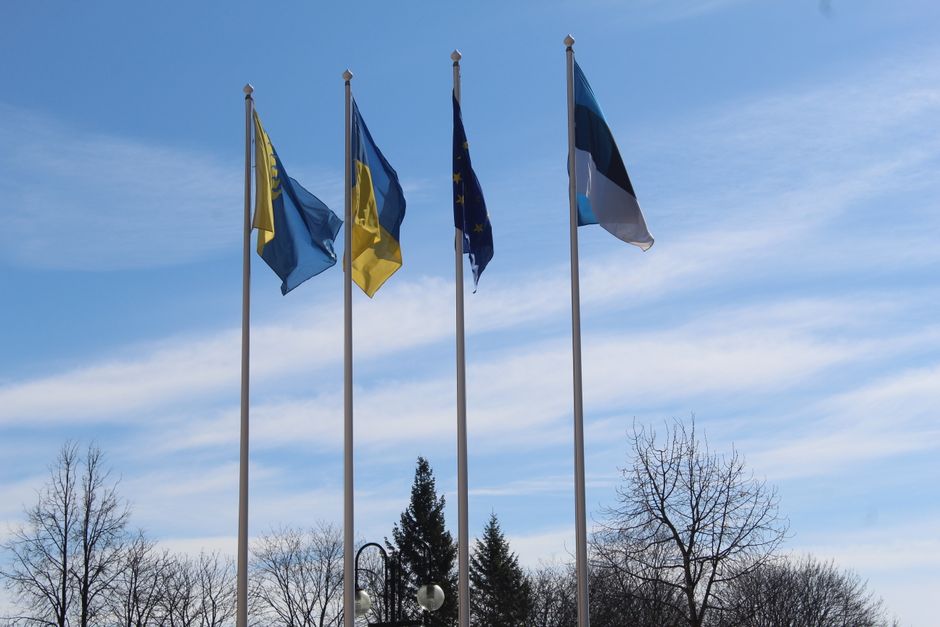
The incident, if confirmed as state-directed sabotage, fits a documented pattern of Russian covert operations against NATO-aligned defense supply chains in the Baltic region.
Estonian authorities have publicly attributed an arson attack on a company supplying vehicles to Ukraine to Russian state actors, according to a report by the South China Morning Post. The accusation places Estonia among a growing list of NATO member states that have formally blamed Russia for covert sabotage operations on their territory.
The targeted company was involved in providing vehicles used in Ukraine's defense effort against Russia's ongoing military campaign. The nature of the arson, the scale of damage, and whether any personnel were injured were not fully detailed in available public reporting as of September 29, 2026. Estonian security officials would be the primary source to clarify those specifics.
Estonia's Internal Security Service, known by its Estonian acronym KAPO, has in prior years documented Russian intelligence activity on Estonian soil, including recruitment operations and infrastructure interference. KAPO's annual reports, which are publicly available, have consistently identified the Russian Federal Security Service (FSB) and the GRU military intelligence directorate as active in Baltic states.
The attribution follows a series of similar incidents across Europe in which Western governments have accused Russian intelligence of organizing sabotage campaigns against defense-related infrastructure and logistics networks supporting Ukraine. Germany, Poland, and the United Kingdom have each announced investigations into suspected Russian sabotage plots targeting military supply lines and transportation infrastructure between 2023 and 2025, according to reporting by Reuters and the BBC during those periods.
Estonia, which shares a land border with Russia and hosts a NATO enhanced Forward Presence battlegroup, has been one of the most vocal members of the alliance regarding Russian hybrid warfare tactics. The country allocates more than three percent of its gross domestic product to defense, exceeding the NATO target of two percent, according to NATO's published defense expenditure data.
Sabotage directed at commercial entities supplying defense materiel represents a distinct category of hybrid warfare. Rather than targeting military installations, which would carry clearer escalatory risk, such operations aim to disrupt logistics and create legal and political ambiguity over attribution and response. European Union and NATO officials have in public statements during 2024 and 2025 warned member governments of this tactic.
The legal framework for responding to state-attributed sabotage on allied territory remains a subject of active policy debate within NATO. Article 5 of the North Atlantic Treaty, which covers collective defense, has not been formally invoked in connection with hybrid attacks, though alliance statements have increasingly signaled that such actions could meet the threshold for a collective response depending on scale and attribution confidence.
Russia has not publicly commented on the Estonian accusation as of the date of this report. Moscow has historically denied involvement in sabotage operations attributed to it by Western governments, including operations for which European courts later produced criminal convictions of individuals linked to Russian intelligence services.
Estonia's public attribution, rather than a quiet diplomatic protest, follows a strategy several smaller NATO members have adopted to increase political costs for covert operations by making accusations visible to domestic and international audiences. Scholars of deterrence theory at institutions including the International Institute for Strategic Studies have noted that public attribution is considered one tool for raising the reputational cost of hybrid warfare.
What remains unknown is the specific evidence base Estonian authorities are relying on to make the attribution, the identity of any suspects, and whether Estonia intends to pursue criminal charges, expel diplomatic personnel, or refer the matter to NATO or EU bodies for a coordinated response. Statements from KAPO or the Estonian Ministry of the Interior would be the relevant sources to answer those questions.