New York AG Files Suit Against Polymarket Over Unlicensed Gambling Claim
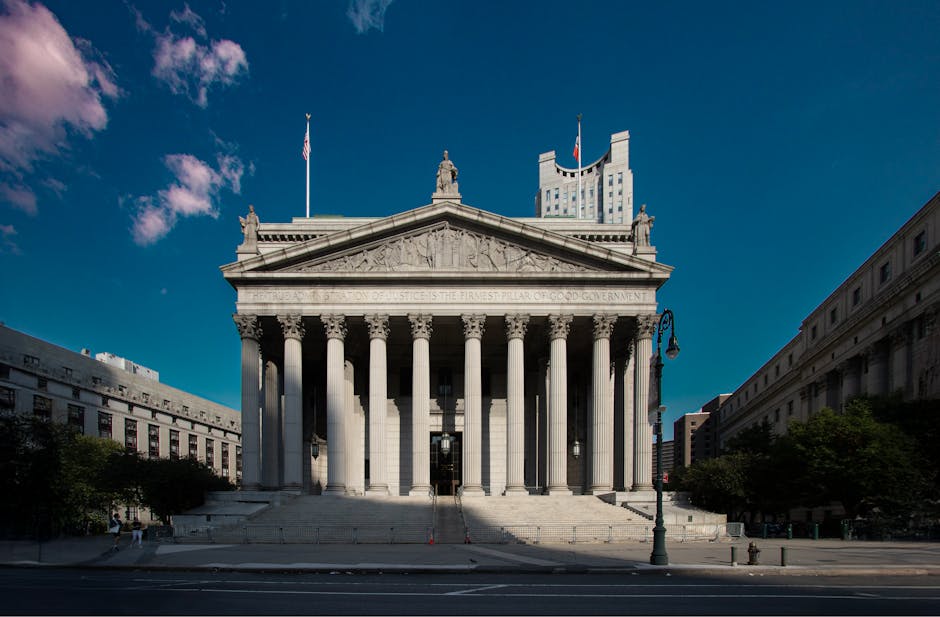
The lawsuit tests whether prediction markets operating without state licenses face the same regulatory framework as traditional gambling platforms, a question with implications for a rapidly...
New York Attorney General Letitia James filed suit against Polymarket on September 24, 2026, accusing the prediction market platform of operating an illegal gambling operation in New York State without a license, according to ABC News.
Polymarket is a decentralized prediction market platform that allows users to place wagers on the outcomes of real-world events, including elections, economic indicators, and policy decisions. The platform gained significant public visibility during the 2024 presidential election cycle, when its contract prices on candidates were widely cited by media outlets as a proxy for public sentiment on electoral outcomes.
The attorney general's complaint, as reported by ABC News, centers on the allegation that Polymarket accepted wagers from New York residents without holding a valid New York State gambling license. The specific statutory provisions cited in the filing, as well as the full text of the complaint, were not available at publication time. A copy of the complaint filed in the relevant court would detail the precise legal theory and the statutes the office contends were violated.
New York's gambling regulatory framework is administered by the New York State Gaming Commission, which issues licenses for authorized forms of wagering under New York Racing, Pari-Mutuel Wagering and Breeding Law and related statutes. Whether prediction market contracts constitute "gambling" under New York law is a legal classification that courts have not uniformly resolved. The Commodity Futures Trading Commission (CFTC) has separately asserted federal jurisdiction over certain event contracts, treating some prediction market instruments as derivatives subject to the Commodity Exchange Act.
In 2022, the CFTC issued a warning to Polymarket related to its offering of event-based binary contracts to U.S. Persons. Polymarket subsequently reached a settlement with the CFTC and agreed to block U.S.-based users from its platform, according to public CFTC enforcement records. Whether New York's current suit alleges violations that occurred before or after that restriction took effect, or alleges that the block was insufficient, is not specified in available reporting. The court filing would contain that detail.
The attorney general's office did not, in the available report, specify the dollar amount of wagers allegedly placed by New York residents, the time period covered by the complaint, or the specific relief being sought. Those details would appear in the complaint itself, which is a public court record once filed.
Prediction markets occupy a contested regulatory space at the federal level. The CFTC has moved to allow certain election-related prediction market contracts on regulated exchanges, a step that drew opposition from some members of Congress who argued the agency exceeded its statutory authority. The interplay between state gambling law and federal commodities law creates overlapping jurisdictional questions that the New York case may force courts to address more directly.
Polymarket had not issued a public statement in response to the filing as of the time of reporting, according to ABC News. The company's legal position, and whether it will contest the characterization of its products as gambling under New York law, is unknown. A court docket entry and any answer filed by Polymarket would be the public records that would clarify its defense.
Attorney General James is a Democrat currently serving her second term. Her office has previously brought enforcement actions in financial services and consumer protection. The political context of the suit, including whether her office coordinated with or informed federal regulators before filing, is not addressed in available reporting. Communications between the attorney general's office and the CFTC or DOJ, if any, would potentially be disclosed through litigation or public records requests.
What remains unknown: the full text of the complaint, the specific New York statutes invoked, the alleged volume of transactions involving New York users, the time period at issue, and whether Polymarket will seek to remove the case to federal court on the grounds that federal commodities law preempts state gambling statutes. The court docket, once publicly available, would answer each of those questions.