Trump and Xi Meet at White House to Address Trade, AI, and Iran
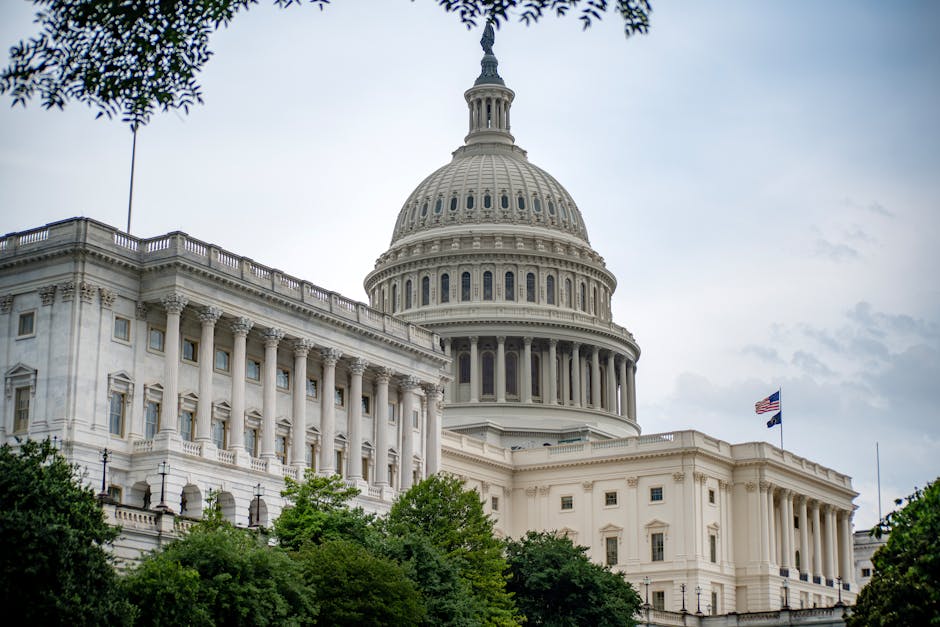
The September 24 summit arrives as a bilateral trade truce faces a November expiration date, making the outcome of these talks directly consequential for U.S. Tariff policy and technology governance.
Presidents Donald Trump and Xi Jinping met at the White House on Thursday, September 24, 2026, for discussions covering trade policy, artificial intelligence safeguards, and China's potential role in influencing Iran, according to live reporting by The Guardian.
The meeting marks the first publicly confirmed White House summit between the two leaders during Trump's current term. The Guardian reported that a bilateral trade truce, negotiated earlier in 2026, was set to expire in November, adding a defined deadline to the diplomatic proceedings.
On the trade front, the truce had held in place a suspension of escalatory tariff actions by both governments. The specific tariff rates paused under that agreement, and the formal text of the truce, have not been released in full to the public. The U.S. Trade Representative's office would hold the relevant documentation.
Artificial intelligence governance was listed as a second major agenda item. The two governments have pursued competing regulatory frameworks for AI development. The U.S. Has moved through executive action and the AI Safety Institute, housed within the National Institute of Standards and Technology, while China has issued its own generative AI regulations through its Cyberspace Administration. Whether the summit produced any joint statement or memorandum of understanding on AI had not been confirmed as of publication.
Trump also sought to use China's diplomatic relationship with Iran as leverage in the ongoing conflict there. The Guardian reported that Trump wants China to apply pressure on Iranian leadership, while Xi entered the meeting seeking a halt to U.S. Arms sales to Taiwan. The specific arms packages under discussion were not identified in available reporting. The Defense Security Cooperation Agency maintains public records of approved foreign military sales notifications, which would identify any Taiwan-related packages under review.
The summit took place during the United Nations General Assembly session in New York City. Trump's attendance at UNGA was confirmed by multiple outlets. Senator John Kennedy (R-La.) commented on the diplomatic context Wednesday, stating on Fox News that Iranian leaders are "part of a colony of reptiles" alongside China, Russia, and North Korea, according to The Hill. Kennedy's remarks did not represent an official administration position.
The trade relationship between the United States and China involves hundreds of billions of dollars in annual goods exchange. According to the U.S. Census Bureau's trade data for 2025, the U.S. Recorded a goods trade deficit with China of approximately $295 billion, the most recent full-year figure available in public census records.
Previous Trump-Xi engagements during Trump's first term included a 2018 dinner at the G20 in Buenos Aires, which produced a 90-day tariff truce, and a 2019 Osaka meeting that restarted trade negotiations after a breakdown. The current truce appears to follow a similar structural pattern, though the terms of the 2026 agreement have not been released in comparable detail.
The summit's connection to Iran policy adds a multilateral dimension not present in prior bilateral U.S.-China trade talks. Whether China made any formal commitment regarding Iran was not confirmed in reporting available at the time of publication. A joint communique or readout from either the White House press office or China's Ministry of Foreign Affairs would be the primary documents to confirm any agreed outcomes.
What remains unknown as of publication: the specific tariff schedules covered by the 2026 truce, whether any written agreement on AI governance was signed, which Taiwan arms transfers were referenced in Xi's request, and whether the two sides agreed on any coordinated approach to Iran. The White House press office's official readout of the meeting, once released, would answer the first three questions. The State Department's records would address the Iran coordination question.