Argentina Sets August 2027 Primary Date for Presidential Election Cycle
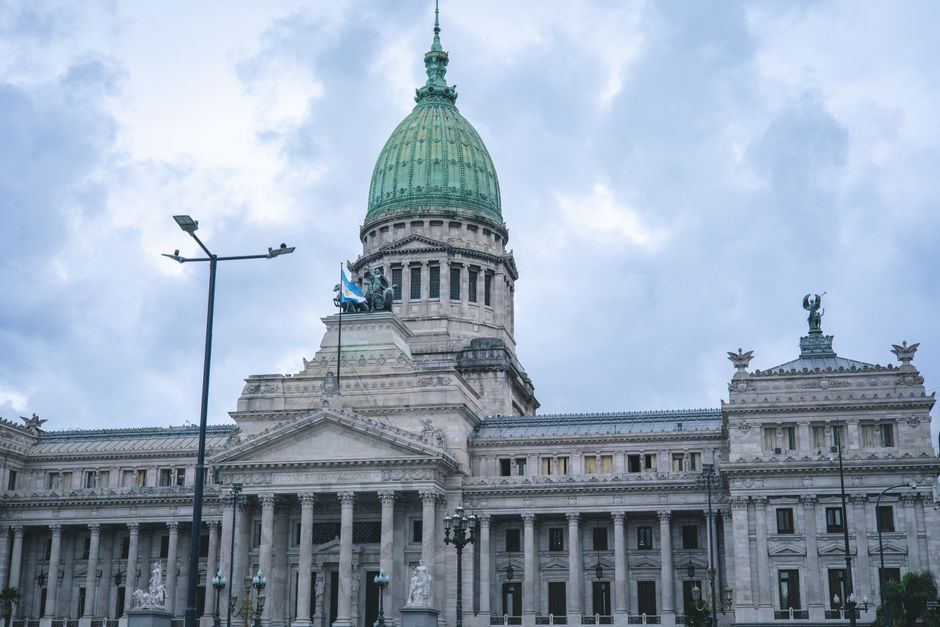
With primaries legally anchored to August 8, 2027, Argentina's next full electoral cycle will test whether President Milei's coalition can consolidate gains made in the 2023 midterms.
Argentina's next presidential election cycle is scheduled to begin with primary elections, known as PASO, on August 8, 2027, according to La Nacion. The date is established by Law 26.571, the statute that governs mandatory open simultaneous primaries across Argentina's national political parties.
The 2027 election will determine the offices of president, vice president, and a broad range of provincial governorships. It represents the first full presidential renewal since Javier Milei of the La Libertad Avanza party assumed office in December 2023 following his runoff victory over Peronist candidate Sergio Massa.
Under Argentina's constitutional framework, the president and vice president serve four-year terms and may seek one consecutive re-election. The 2027 contest will therefore be Milei's first opportunity to seek a second term, though no formal declaration of candidacy has been made as of the publication date of this article.
The PASO system, established by Law 26.571 and first applied in the 2011 electoral cycle, requires all parties with aspirations to national office to participate in a single primary round. Parties that fail to reach a threshold of 1.5 percent of the national vote in the PASO are barred from competing in the general election. The mechanism was designed to reduce ballot fragmentation and consolidate party structures.
If the PASO proceeds as legally scheduled on August 8, 2027, the general election would follow roughly two months later, typically in October, in accordance with the standard timeline set by the National Electoral Code. The exact general election date would be determined by executive decree in coordination with the National Electoral Chamber.
Governorship races scheduled alongside the presidential contest give the cycle additional weight. Argentina has 23 provinces plus the Autonomous City of Buenos Aires, each with its own electoral calendar. Several provinces have historically "nationalized" their gubernatorial races by aligning them with federal primary and general election dates, while others hold elections on separate schedules to insulate local contests from national political trends.
The 2027 cycle arrives at a moment of ongoing economic adjustment in Argentina. The International Monetary Fund reached a new Extended Fund Facility agreement with Argentina in April 2025, valued at approximately $20 billion, according to IMF public records. The program's conditions, including fiscal targets and currency policy requirements, are expected to remain central political issues through the election period.
Milei's La Libertad Avanza performed competitively in the October 2025 midterm elections, which renewed half of the Chamber of Deputies and one-third of the Senate, according to Argentina's National Electoral Directorate results. The outcome of those races will shape the legislative environment in which both the administration and opposition parties build their 2027 platforms.
The Peronist movement, operating under the Unión por la Patria coalition in 2023, faces internal questions about leadership and candidate selection ahead of 2027. Former President Cristina Fernandez de Kirchner received a corruption conviction from Argentina's Supreme Court in March 2024, a ruling that carries implications for her eligibility to hold public office under Article 36 of the Argentine Constitution, though legal challenges remain in process as of this writing.
Whether the PASO system will remain intact through 2027 is itself a live political question. Milei's administration signaled interest in eliminating mandatory primaries as part of a broader political reform agenda. Any legislative change to Law 26.571 would require a majority vote in both chambers of Congress, and no such reform has been enacted as of September 2026. If PASO is eliminated before 2027, parties would negotiate candidate selection through internal processes, and the August 8 date would no longer apply.