Trump Warns Iran at UN General Assembly of Military Escalation
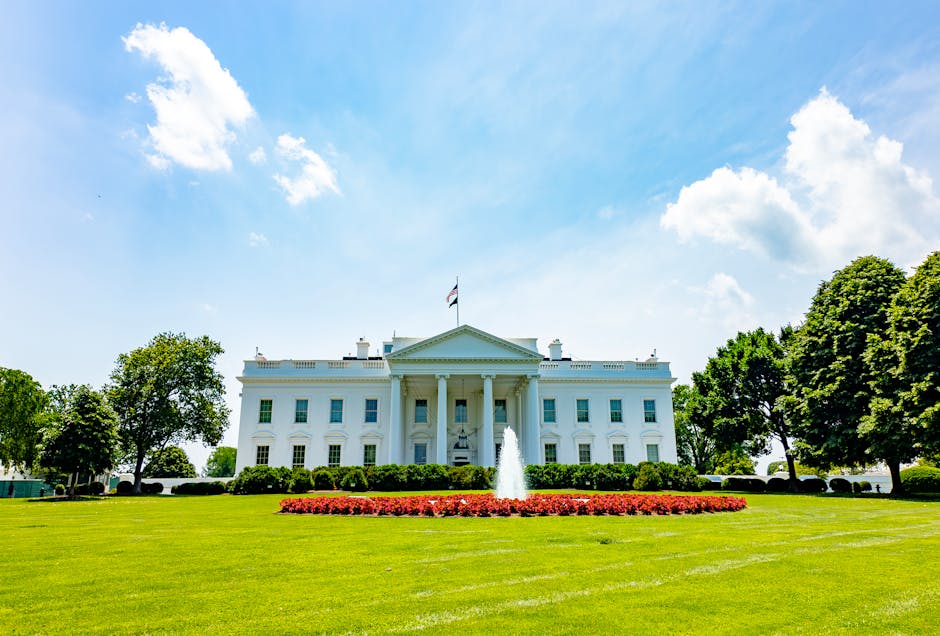
The address signals a potential shift from diplomatic to military posture toward Iran, with the president publicly framing a pending decision as binary between a negotiated deal and expanded conflict.
President Donald Trump addressed the United Nations General Assembly on September 22, 2026, warning Iran that the United States could "drive them into hell" if a nuclear agreement is not reached, according to a New York Post report citing remarks delivered in the UN chamber in New York.
Trump described the decision facing his administration in binary terms, stating from the podium: "I have a big decision to make: Will a deal be made with Iran that lets them rebuild and create a far greater country?" He did not specify a deadline for that decision, and no document available in the public record as of publication confirms the existence of an active formal negotiation timeline between Washington and Tehran.
The president also told assembled foreign dignitaries that the United States is "settling years of unfinished business," a phrase that appeared in the New York Post's direct quotation of his remarks. The phrase was not defined further in the available source material, and the precise policy actions to which it refers are not detailed in any public executive order, State Department notice, or National Security Council document reviewed for this report.
Trump received applause from foreign dignitaries in the chamber following his pledge to prevent Iran from developing a nuclear weapon, according to the same New York Post account. The composition of the delegations present and the identities of those who applauded are not confirmed in available records.
The remarks come as the United States has described its posture toward Iran as a "war effort" in the same source report. Whether that language reflects an official legal or statutory designation of armed conflict under the War Powers Resolution (50 U.S.C. Chapter 33) is not established by any Congressional Authorization for Use of Military Force (AUMF) currently in the public legislative record. The Congressional Research Service and the Office of the Clerk of the House have not published any new AUMF related to Iran as of September 22, 2026.
Congress retains the constitutional authority to declare war under Article I, Section 8 of the Constitution. The last formal declaration of war by Congress was in 1942. Since that time, presidents of both parties have used AUMFs and executive authority to conduct military operations abroad. The 2002 AUMF, which authorized the use of force in Iraq, has been cited in prior administrations as a basis for certain Iran-related actions, though legal scholars have disputed that application. The current administration's legal basis for any Iran military operations has not been publicly filed with Congress in a War Powers notification that is available in the public record as of this writing.
The UN General Assembly address is an annual occasion at which sitting presidents of both parties have made statements about Iran's nuclear program. President Barack Obama addressed Iranian nuclear ambitions at the General Assembly in 2013 and 2015. President Trump, during his first term, addressed the General Assembly in 2017, 2018, and 2019 and used similar forums to warn Iran against nuclear development, according to archived UN General Assembly records.
Separately, on the same day as Trump's address, the New York Times reported that Amazon has agreed to provide secure cloud computing infrastructure to NATO, a contract that over time is expected to facilitate intelligence sharing and military planning among alliance members. The terms, dollar value, and duration of that contract have not been disclosed in a publicly available federal procurement record on USASpending.gov as of publication.
What remains unknown as of September 22, 2026: whether the administration has submitted a War Powers notification to Congress regarding Iran; the current status of any diplomatic channel between the United States and Iran; and the specific military options under consideration. The documents that would answer those questions are a War Powers Resolution notification filed with the Speaker of the House and Senate President pro tempore, any State Department diplomatic cable or public statement on negotiations, and any declassified Defense Department planning document.