Ramaphosa Calls for Global AI Oversight Body at BRICS Summit
The proposal, aligned with calls from leading AI developers themselves, signals that governance pressure on artificial intelligence is now arriving from multiple directions simultaneously,...
South African President Cyril Ramaphosa used the 18th BRICS Summit to call for the creation of an international mechanism to conduct independent scientific evaluation of artificial intelligence systems, according to Daily Maverick. The call represents one of the most prominent AI governance proposals to emerge from a major multilateral forum in 2026.
Ramaphosa's remarks at the BRICS Summit were framed around caution rather than restriction. He did not call for a halt to AI development but specifically advocated for structured, independent scientific assessment as a precondition for guiding policy decisions, according to Daily Maverick.
The proposal places Ramaphosa alongside a growing cohort of voices advocating for slower, more deliberate AI deployment. Several senior AI executives have publicly called for a global reduction in the pace of AI development in recent months, according to Daily Maverick. The alignment between a sitting head of state and industry insiders on this position is notable given that government and corporate interests on technology regulation frequently diverge.
BRICS, which now includes Brazil, Russia, India, China, South Africa, and a collection of newer member states admitted after the 2023 expansion, represents a substantial portion of the world's population and economic output. Proposals advanced within the forum carry potential weight in shaping governance norms across the Global South, even when they do not produce binding treaties.
The specific structure Ramaphosa envisions for the proposed mechanism was not detailed in the Daily Maverick report. What form such a body would take, whether it would operate under the United Nations, as a standalone treaty organization, or as a BRICS-internal institution, remains unknown. A full transcript of his summit remarks would clarify the scope of the proposal.
The push for international AI governance has produced limited concrete results so far. The United Kingdom hosted an AI Safety Summit at Bletchley Park in November 2023, producing a non-binding declaration signed by 28 countries, including the United States and China, according to publicly available summit records. A follow-up summit was held in Seoul in May 2024. Neither produced an enforcement mechanism or a standing evaluation body of the kind Ramaphosa described.
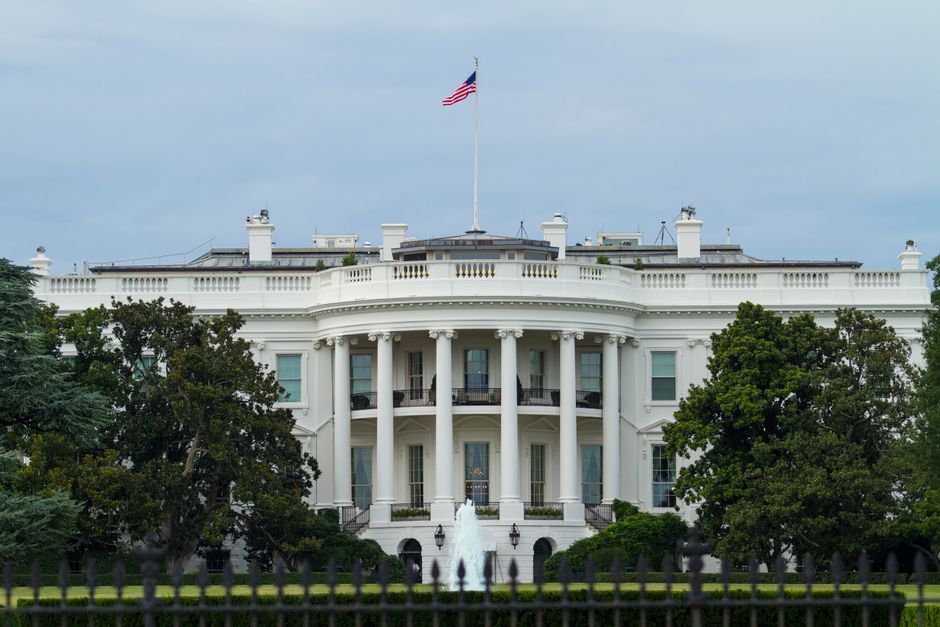
Within the United States, the debate over AI governance has also produced competing positions. The U.S. House Speaker has publicly rejected the idea of an AI development moratorium, arguing that slowing domestic AI progress would cede ground to China, according to Speaker Johnson Rejects AI Moratorium, Citing China Competition. That position contrasts directly with Ramaphosa's call for international scientific oversight.
The BRICS Summit context also matters for how the proposal is likely to be received in Western capitals. A governance framework originating within BRICS, a grouping that includes China and Russia, may face skepticism from the United States and European Union, which have been developing their own separate AI regulatory architectures. The EU AI Act entered into force in August 2024, establishing binding risk-based rules for AI applications within the bloc, according to European Commission records.
India, also a BRICS member, has taken a notably permissive regulatory stance on AI domestically, positioning itself as a destination for AI development rather than a proponent of global restrictions. Whether India would support Ramaphosa's proposed evaluation mechanism within BRICS deliberations is not known from the current source material.
South Africa holds particular relevance in global AI discussions because it is the most industrialized economy in sub-Saharan Africa and has been working to position itself as a governance leader on emerging technologies within the African Union. Ramaphosa has previously raised concerns about the concentration of AI capabilities in a small number of corporations and countries, though specifics of his prior statements on this topic were not included in the Daily Maverick report.
The practical timeline and next steps for Ramaphosa's proposal are not established in available reporting. Whether the 18th BRICS Summit produced any joint communique language endorsing the concept of an independent AI evaluation mechanism would be a key indicator of how much multilateral support the idea has secured.