Speaker Johnson Rejects AI Moratorium, Citing China Competition
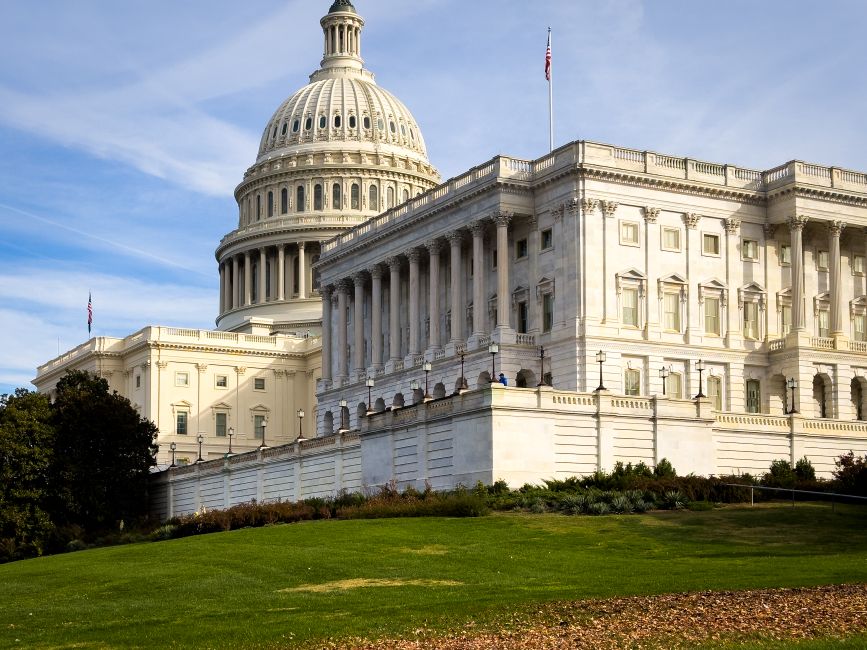
Johnson's position aligns with technology industry lobbying efforts against proposed AI slowdowns, placing him in direct opposition to some conservative advocates who want federal guardrails on...
House Speaker Mike Johnson (R-LA) publicly rejected calls for a moratorium on artificial intelligence development on September 13, 2026, arguing that a pause would allow China to surpass the United States in AI capability, according to a Fox News report published the same day.
Johnson's statement came as pressure mounted from multiple directions on AI policy. Figures including Elon Musk and Anthropic CEO Dario Amodei have publicly called for some form of slowdown or safety review of advanced AI systems, while OpenAI CEO Sam Altman has similarly engaged in the debate, according to the Fox News report. The specific legislative vehicle or regulatory framework any party is proposing was not identified in the available source material.
The speaker's rejection of a moratorium is consistent with a position he stated previously. As TCT reported in August, House Speaker Johnson Says Congress Will Not Lead on AI Safety Rules, a stance that established his broader resistance to federal intervention in AI development timelines.
Johnson did not specify in the reported remarks which Chinese government programs or commercial entities he considers the primary competitive threat, nor did he cite a specific intelligence assessment. The Office of the Director of National Intelligence publishes an Annual Threat Assessment that addresses Chinese AI development; whether Johnson's remarks reference that document or another source is unknown from the available record.
The moratorium debate sits within a broader congressional standoff over who, if anyone, should set federal rules for AI. No comprehensive federal AI regulation has passed either chamber of Congress as of September 13, 2026. The current regulatory landscape consists largely of executive orders and agency guidance, not statute.
A conservative activist, unnamed in the Fox News report, was identified as calling for guardrails on AI development, illustrating that the moratorium question does not divide cleanly along partisan lines. The specific policy proposals that activist advanced were not detailed in the available source material.
On the industry side, the positions of Musk, Altman, and Anthropic are not uniform. Anthropic has publicly advocated for safety testing requirements, while Musk has at times called for pauses and at other times invested aggressively in his own AI venture, xAI. Altman and OpenAI have generally opposed moratoriums while supporting some form of government licensing for frontier models. The distinctions among these positions are relevant to any legislative proposal but are not resolved in the current source material.
The economic stakes are measurable. The U.S. AI market is projected by industry analysts to represent hundreds of billions of dollars in annual revenue within this decade, though the precise figures vary by methodology and source. Federal procurement of AI tools through contracts listed on USASpending.gov has grown each fiscal year since 2021, though a precise aggregate figure for fiscal year 2026 is not yet available pending end-of-year reporting.
Campaign finance records maintained by the Federal Election Commission show that technology sector political action committees and individual donors have contributed to members of both parties. The specific contributions to Johnson's campaign committee and leadership PAC from technology industry sources in the current cycle are contained in FEC filings under committee ID C00573949 for his campaign committee; those figures were not aggregated in the current source material and would require direct FEC filing review to quantify.
What remains unknown is whether Johnson intends to bring any AI-related legislation to the House floor in the remainder of the 119th Congress, which must address a crowded calendar including appropriations deadlines. A committee markup or a floor scheduling notice from the House Rules Committee would be the public record that answers that question.