Lawmakers Call for Congressional Action on AI Safety After Researcher Warning
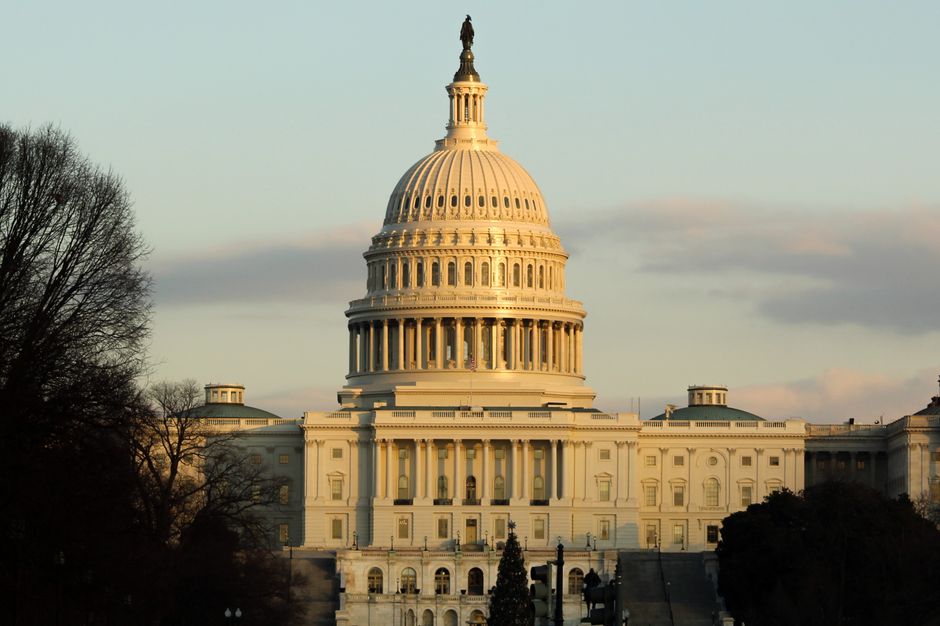
The call reflects a recurring pattern in technology policy: legislative urgency expressed publicly while formal committee action remains absent.
Representative Anna Paulina Luna (R-FL) stated on September 9, 2026, that Congress is not adequately focused on artificial intelligence safety, responding to a warning issued by an unidentified AI researcher whose specific claims were described by Politico as a "dire warning." Luna posted her response on the social platform X, stating directly: "Not enough of Congress is focusing on this."
The available source material does not identify the AI researcher by name, does not specify the institution or organization from which the warning originated, and does not detail the precise technical claims made. The full text of the researcher's statement would be the primary document needed to evaluate the substance of the warning.
Luna represents Florida's 13th Congressional District and sits on the House Committee on Oversight and Accountability, according to the congressional record maintained at congress.gov. Her committee assignment places her in a position with oversight jurisdiction over federal agency use of emerging technologies, though her specific committee activity on AI legislation is not detailed in the available source material.
Multiple bills related to artificial intelligence regulation have been introduced in the 119th Congress. As of the congressional record available through congress.gov, no comprehensive federal AI regulatory framework has been enacted into law. The specific legislation, if any, that Luna or other responding lawmakers are urging Congress to advance is not identified in the source material.
The Politico report notes that "US lawmakers" broadly are urging congressional action, but names only Luna in the direct quote. The number of lawmakers involved, their party affiliations as a group, and whether any formal letter, resolution, or bill introduction accompanied their public statements are unknown. A congressional record search or press release review from the offices of identified lawmakers would clarify whether any formal legislative action followed the public statements.
Congress has held hearings on AI-related topics across multiple sessions. The Senate Commerce Committee and House Energy and Commerce Committee have both convened AI-focused hearings in prior congressional sessions, according to congress.gov hearing records. Whether a new hearing has been scheduled in response to the researcher's warning described in the September 9 report is not confirmed in the available source material.
Federal agency rulemaking on AI has proceeded independently of legislation. The Office of Management and Budget issued a memorandum on AI governance for federal agencies in March 2024, requiring agencies to designate Chief AI Officers and establish minimum risk management practices, according to OMB records. Whether the researcher's warning pertained to federal agency AI use, commercial AI development, or another specific domain is not specified in the source material.
The AI policy debate in Congress has involved members of both parties. Republican members have generally emphasized maintaining American competitiveness against China while limiting regulatory burdens on domestic AI developers. Democratic members have more frequently emphasized consumer protection and civil rights safeguards. Luna's statement does not specify which regulatory approach she is advocating, making it unclear which policy direction she is urging Congress to pursue.
What remains unknown includes the identity of the AI researcher, the institution from which the warning came, the specific technical or policy claim that prompted the congressional response, and whether any formal legislative vehicle is being prepared. The researcher's original statement, the full text of Luna's social media post, and any subsequent press releases from her office would be the documents needed to answer those questions.