UK Foreign Secretary Burnham Imposes New Sanctions on Israel, Risking US Friction
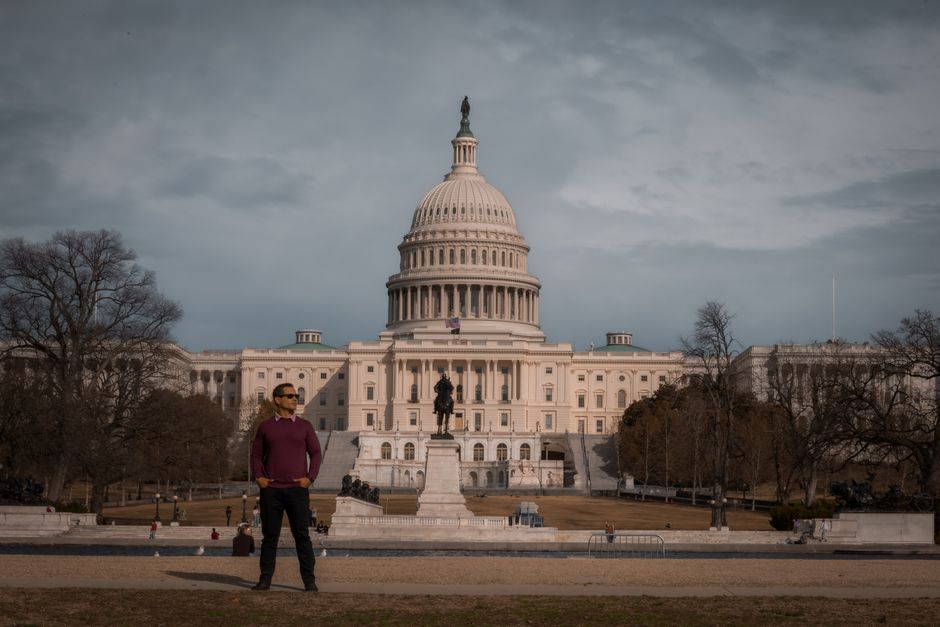
The move places Britain in direct diplomatic tension with the Trump administration at a moment when US-UK trade negotiations remain unresolved.
British Foreign Secretary Andy Burnham has imposed a new round of sanctions on Israel, a step that the South China Morning Post reported on September 7, 2026, risks provoking anger from the Trump administration, which has consistently opposed third-party pressure on Israel over its military operations.
The sanctions, as reported by South China Morning Post, represent the UK government's most direct punitive action against Israel to date under the current Labour administration. The specific targets and legal instruments used in the sanctions package were not fully detailed in the available reporting at time of publication. What would clarify the full scope is the formal statutory instrument or Foreign Commonwealth and Development Office notice, which the UK government is required to publish in the official gazette.
Burnham assumed the role of Foreign Secretary under Prime Minister Keir Starmer's Labour government, which came to power in July 2024 following the Conservative Party's general election defeat. Since taking office, the Starmer government has faced persistent internal and external pressure to take a firmer stance on Israel's military conduct in Gaza, where the conflict that began in October 2023 has continued into 2026.
The Trump administration, which returned to power in January 2025, has maintained strong diplomatic and military support for Israel throughout its second term. President Trump has previously criticized European governments that moved to impose conditions or sanctions related to Israeli military operations, framing such actions as undermining a key US ally.
The friction this creates for the UK is compounded by the fact that a bilateral US-UK trade agreement remains under negotiation. US and UK officials have held multiple rounds of talks through 2025 and into 2026, but no final deal has been concluded, according to publicly available statements from both governments. Any deterioration in the diplomatic relationship between Washington and London could affect the pace or terms of those negotiations, though the precise linkage would depend on decisions not yet made public.
The UK has previously imposed limited sanctions on Israeli settlers in the West Bank, a step taken in coordination with other European partners. A broader sanctions package targeting Israeli government officials or military entities would mark a qualitative escalation beyond those earlier measures, though whether the current action reaches that threshold requires confirmation from the formal government notice.
Within the UK, the Starmer government has faced pressure from factions of the Labour Party calling for more assertive action, while pro-Israel groups and some Conservative opposition figures have argued that sanctions risk damaging a historically close bilateral relationship. The domestic political calculation has therefore pointed in competing directions, making the timing and scope of any sanctions action a sensitive internal matter as well.
For Israel, the significance of UK sanctions depends substantially on their economic weight and whether other European Union member states follow suit. The European Union as a bloc has not moved to impose comparable measures as of the date of this report, according to publicly available EU Council records, meaning the UK action is currently without a coordinated multilateral framework behind it.
The United States has previously used diplomatic channels to discourage allied governments from imposing sanctions on Israel. Whether the Trump administration responds with formal objection, retaliatory trade signaling, or quiet bilateral pressure is not yet known. A statement from either the US State Department or the National Security Council would be the primary indicator of the American response.
The UK's move adds to a broader pattern of tension between Washington and several Western European governments over the handling of the Gaza conflict, a divergence that has been noted in reports from Reuters and the Financial Times across 2025 and 2026. The Congressional Times reported in a related context that U.S. Airstrikes Sink Three Iranian Tankers, Tehran Vows Retaliation, illustrating the wider regional volatility in which this diplomatic development is occurring.
Full details of the sanctions, including designated individuals or entities and the legal basis under UK sanctions regulations, are expected to be published by the Foreign Commonwealth and Development Office and will provide the clearest measure of the action's intended impact.