Trump-Promoted Freedom Fuel Stations Sued Over Allegedly Unpaid Supplier Fuel
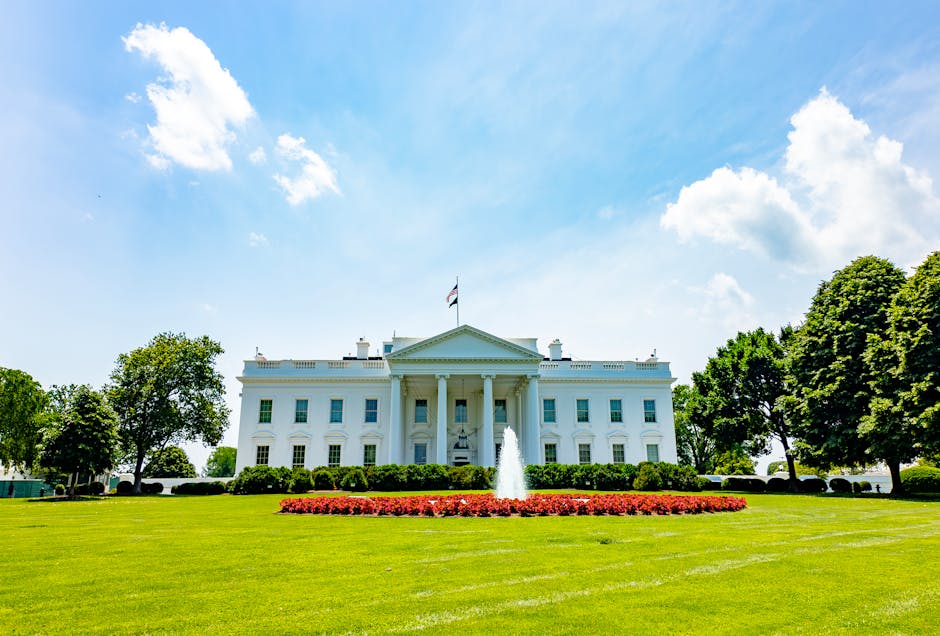
A civil lawsuit filed in federal court creates a legal record connecting a company the administration publicly endorsed to allegations of unpaid fuel transfers, raising questions about the vetting...
A supplier to Freedom Fuel gas stations filed a civil lawsuit on August 19, 2026, alleging that the fuel distributor connected to those stations obtained fuel without payment, according to a complaint filed in U.S. District Court for the Eastern District of Pennsylvania. The lawsuit was brought by attorneys for Mansfield Oil Company against KRSM, described in the filing as a foreign corporation.
The filing alleges that KRSM obtained fuel from Mansfield Oil Company in excess of amounts for which payment was rendered. The specific dollar figure alleged in the complaint was not fully detailed in available reporting, and the complete complaint would be the document to establish the precise amount claimed. The full text of the Mansfield Oil lawsuit, Case No. Filed August 19 in EDPA, would contain that figure.
The lawsuit gains political relevance because the Trump administration publicly promoted Freedom Fuel gas stations in July 2026, approximately one month before the lawsuit was filed. The nature and format of that promotion, whether it was a presidential statement, a White House press release, or a cabinet-level event, was not specified in available reporting. White House communications records or official press releases from July 2026 would establish the exact form and scope of that endorsement.
Freedom Fuel's ownership structure and its relationship to KRSM were not fully detailed in available reporting. Public business registration records in the relevant state of incorporation and any federal contractor registration in the System for Award Management database would identify the legal entities involved and their principals.
The Eastern District of Pennsylvania, where the suit was filed, is a federal district court. Civil complaints filed there become public record upon filing and are accessible through the federal PACER system. The complaint, filed August 19, 2026, would name all defendants, specify counts, and state the full amount of damages sought.
Mansfield Oil Company is a Georgia-based fuel distribution company. According to public records, it operates as a wholesale fuel distributor supplying gas stations and fleet operators across the United States. The company's decision to file in federal court, rather than state court, indicates the claim likely meets the federal diversity jurisdiction threshold of more than $75,000 in controversy, under 28 U.S.C. Section 1332, though confirmation requires the complaint itself.
No federal criminal charges have been filed in connection with this matter as of the date of this report. The lawsuit is a civil action seeking monetary damages. Whether federal agencies including the Department of Justice or the Federal Trade Commission have opened any inquiry is not known. Investigative referrals, if any, would appear in agency dockets or become public through congressional oversight requests.
The White House has not issued a public statement in response to the lawsuit, based on available records as of August 30, 2026. A spokesperson's statement or a formal response to the litigation would be the next public document to watch.
The case raises procedural questions about whether and how the administration vetted Freedom Fuel before extending a public promotion. Federal agencies conducting due diligence on private companies typically consult litigation history databases, Dun and Bradstreet commercial credit reports, and state business registration records. Whether any such review occurred before the July promotion is not established in the available public record.
What remains unknown includes the full dollar amount alleged in the Mansfield complaint, the precise nature of the White House's July 2026 promotional activity, the ownership chain linking Freedom Fuel stations to KRSM, and whether any federal agency has opened a related inquiry. The August 19 court filing in the Eastern District of Pennsylvania is the primary public document that would answer the financial and legal details.