CDC Records 4,410 U.S. Measles Cases in 2026, Nearly Double 2025 Total
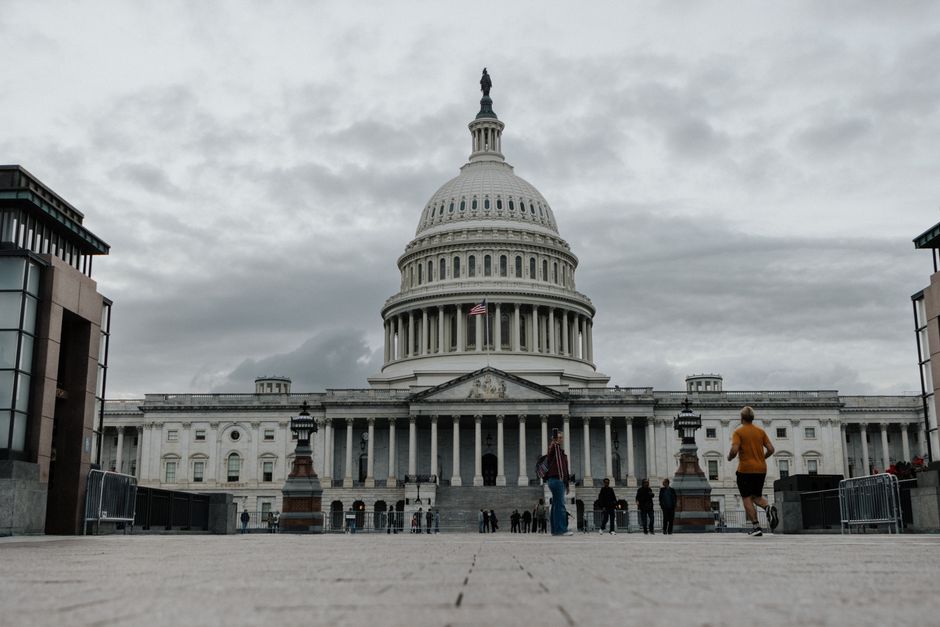
The acceleration of confirmed measles infections suggests that federal vaccination policy and public health infrastructure will face sustained pressure heading into the 2027 budget cycle.
The United States had confirmed 4,410 measles cases through October 10, 2026, according to a Centers for Disease Control and Prevention update published that week and reported by The Hill. That figure already exceeds the full-year 2025 total of 2,289 confirmed cases, meaning 2026 is on pace to record more than double the prior year's infections with roughly eleven weeks remaining in the calendar year.
The CDC tracks measles cases by state and reports cumulative totals on a rolling basis through its Morbidity and Mortality Weekly Report (MMWR). The agency's case count is based on laboratory-confirmed and epidemiologically linked cases reported by state and territorial health departments. The underlying case-level data, including outbreak location and vaccination status of confirmed cases, is available through CDC's public surveillance portal.
The 2025 total of 2,289 cases was itself the highest annual count the United States had recorded since 1992, when 2,126 cases were confirmed, according to CDC historical surveillance data. The 2026 trajectory would place this year among the most significant measles resurgences in the country's post-elimination era. The CDC declared measles eliminated from the United States in 2000, defined as the absence of continuous transmission for 12 months or longer.
Measles elimination status is maintained when vaccination coverage remains at or above approximately 95 percent of the population, a threshold sufficient to sustain herd immunity, according to the World Health Organization's published immunization guidelines. CDC's National Immunization Survey, most recently published for 2024, recorded kindergarten-level MMR (measles, mumps, rubella) vaccination coverage at 92.7 percent nationally, below that threshold. Coverage varied by state, with several states reporting rates below 90 percent.
Federal appropriations for immunization infrastructure flow primarily through CDC's Immunization and Respiratory Diseases budget line. In fiscal year 2026, Congress appropriated funds for that program as part of the Labor, Health and Human Services, and Education spending bill. The specific allocation figure is contained in the enacted appropriations text and accompanying joint explanatory statement filed in the Congressional Record. Whether those appropriations were reduced relative to fiscal year 2025 is a question the enacted bill's text and the Office of Management and Budget's budget comparison tables would answer directly.
The Department of Health and Human Services, which oversees the CDC, has not publicly issued a formal outbreak response declaration specific to the 2026 measles figures as of October 16, 2026. The agency has the authority to issue public health emergency determinations under Section 319 of the Public Health Service Act. No such determination specific to measles has appeared in the Federal Register as of this writing.
Congressional jurisdiction over federal vaccination programs sits primarily with the Senate Health, Education, Labor, and Pensions Committee and the House Energy and Commerce Committee's health subcommittee. Neither committee has scheduled a public hearing specifically on the 2026 measles case trajectory as of October 16, 2026, according to published committee calendars on senate.gov and energycommerce.house.gov.
Vaccine hesitancy, gaps in school-entry exemption policies, and outbreaks in under-vaccinated communities have been identified in prior CDC outbreak investigation reports as contributing factors in measles resurgences. The specific outbreak clusters driving the 2026 case count, including the states with the highest case concentrations, are detailed in CDC's weekly MMWR updates, which are publicly available at cdc.gov.
What remains unknown at this stage is the breakdown of 2026 cases by vaccination status, age group, and geographic cluster, data points the CDC collects but releases on a lag in its outbreak investigation summaries. It is also not yet known whether HHS will request supplemental appropriations or redirect existing public health emergency funds to accelerate vaccination outreach in high-incidence areas. A formal supplemental appropriations request, if submitted, would appear as a presidential budget amendment transmitted to the House Appropriations Committee and posted on omb.gov.