Iran Releases U.S. Citizen Dena Karari After Seven Months of Detention
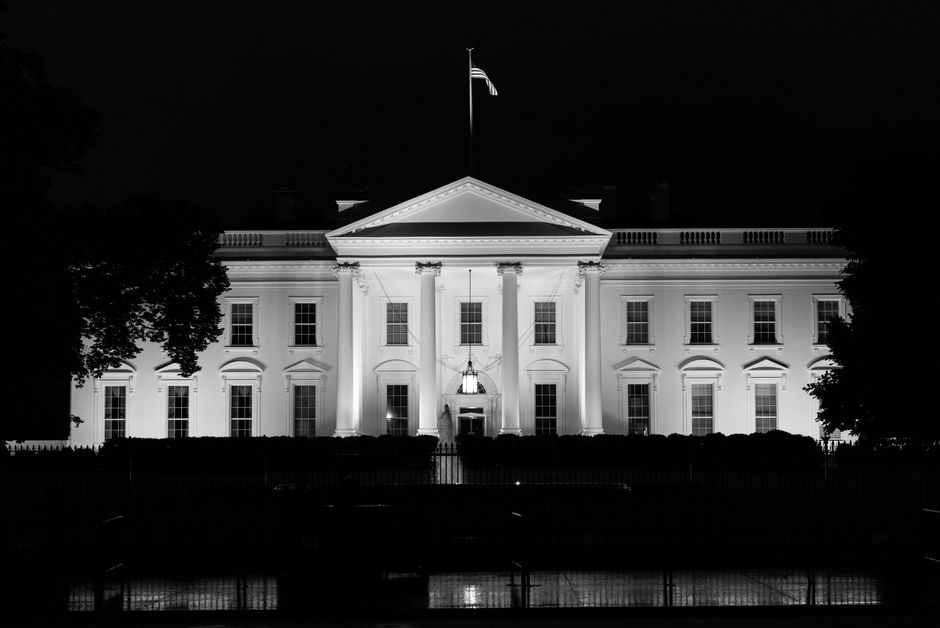
The release, described by President Trump as a diplomatic gesture rather than a formal agreement, raises questions about what, if any, U.S. concessions accompanied Karari's freedom.
President Donald Trump announced on July 16, 2026, that Iran had released American citizen Dena Karari, whom Trump described as wrongfully detained since December 2024, a period of approximately seven months. Trump characterized the release as a 'gesture of goodwill' by the Iranian government, according to a statement reported by Fox News on July 16, 2026. The White House has not, as of publication, released a formal written statement or diplomatic memorandum detailing the circumstances of her release.
Karari's detention began in December 2024, according to the Fox News report citing Trump's remarks. The State Department's hostage affairs office, which tracks Americans held abroad under the Robert Levinson Hostage Recovery and Hostage-Taking Accountability Act (22 U.S.C. § 1741 et seq.), has not yet published a public case file or press release confirming the terms of her return, as of the date of this publication.
Trump did not specify in his public remarks whether any exchange of funds, prisoner swaps, sanctions relief, or other diplomatic concessions accompanied the release. The absence of a formal State Department or National Security Council disclosure means the full terms, if any exist, remain unknown. Past U.S.-Iran detainee resolutions have involved financial settlements or prisoner exchanges — for example, the September 2023 agreement that released five Americans in exchange for $6 billion in previously frozen Iranian oil revenue held in South Korean accounts, a transaction documented in U.S. Treasury Department records and confirmed by the State Department at the time — but no comparable documentation has been released in connection with Karari's case.
Senator Lindsey Graham (R-SC), who has served as a White House interlocutor on Iran-related foreign policy matters, has not issued a public statement on Karari's release as of publication, according to a review of his official Senate.gov press release archive. The Senate Foreign Relations Committee, which holds oversight jurisdiction over hostage diplomacy under Senate Rule XXV, has also not issued a public statement as of July 16, 2026.
What remains unknown: whether any formal diplomatic agreement, financial transfer, sanctions waiver, or prisoner exchange accompanied the release. The documents that would answer these questions include a State Department diplomatic cable or press release, a Treasury Department Office of Foreign Assets Control (OFAC) general or specific license, any National Security Council memorandum made public under disclosure obligations, or a congressional notification under the Robert Levinson Act. None of these records had been made publicly available as of the time of publication.