House Passes Sunshine Protection Act 308-117, Sending Bill to Senate
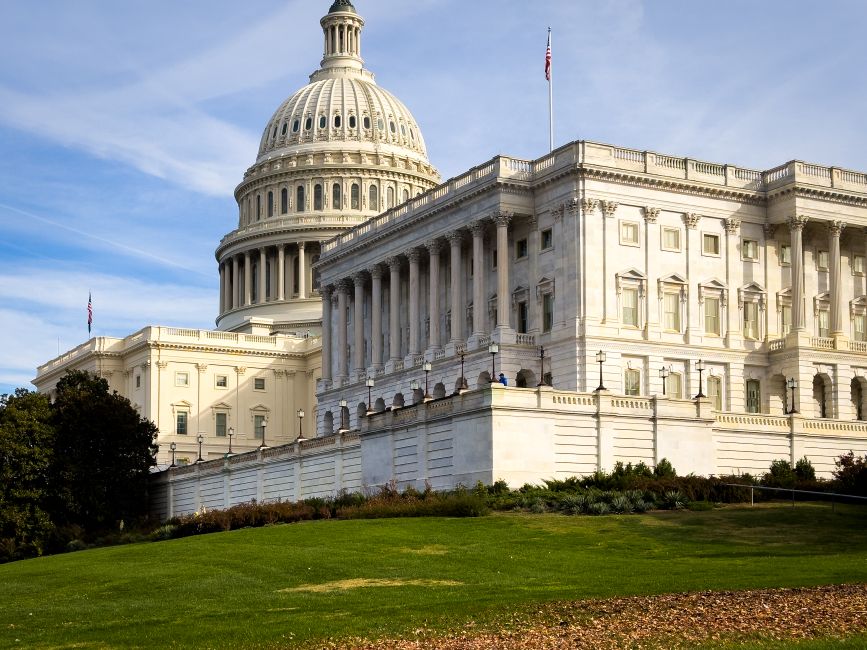
A bipartisan majority cleared the chamber, but the legislation faces an uncertain path in the Senate, where a similar bill stalled in 2022.
The U.S. House of Representatives passed the Sunshine Protection Act on July 14, 2026, by a recorded vote of 308 to 117, according to the House floor record. The bill, sponsored by Rep. Vern Buchanan (R-FL), would end mandatory biannual clock changes by allowing states to observe daylight saving time on a permanent basis. States that prefer to retain the current spring-forward, fall-back system would retain that option under the legislation's text.
The 308-117 margin reflected support from members of both parties, though the House clerk's full partisan breakdown by member name is available in the official Congressional Record for July 14, 2026. Rep. Buchanan introduced the bill as a federal-opt-in framework rather than a national mandate, a structure that distinguishes it from some prior versions of the legislation.
The Senate previously passed a unanimous-consent version of the Sunshine Protection Act in March 2022, but that measure never received a House floor vote in the 117th Congress and expired at the end of that session, per the Congressional Record. The current bill now moves to the Senate, where its scheduling for debate, committee referral status, and sponsor have not yet been publicly announced as of this publication.
Permanent standard time — not permanent daylight saving time — is the alternative preferred by some medical and scientific organizations, including the American Academy of Sleep Medicine, which submitted congressional testimony in 2022 citing circadian rhythm research. That position was not reflected in the House-passed bill. The legislation does not address how the change would interact with the handful of states and territories, such as Arizona and Hawaii, that currently do not observe daylight saving time; the specific statutory language governing those jurisdictions would be found in the enrolled bill text once published by the Office of the Clerk.
What remains unknown: whether Senate Majority Leader John Thune (R-SD) will schedule a floor vote or refer the bill to committee, and which senators will sponsor or oppose the measure. The Senate's legislative calendar and any companion bill filings would be the public records that answer those questions.