U.S. Navy Disables Merchant Vessel Breaching Iran Port Blockade
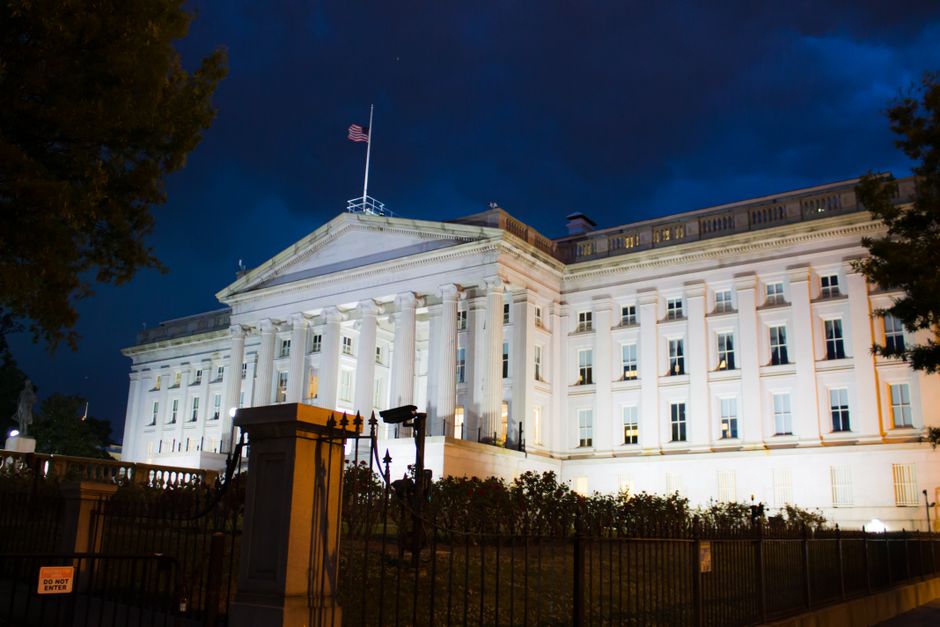
The incident marks a direct use of U.S. Naval force to enforce an ongoing blockade of Iranian ports, raising questions Congress has not yet publicly addressed about statutory authorization.
Bottom Line
Confirmed means supported by a primary source or strong independent sources; Disputed means credible sources conflict; Open means no solid primary source evidence either way.
- ConfirmedU.S. Central Command confirmed that U.S. forces disabled a merchant vessel that attempted to breach a U.S. naval blockade of Iranian ports, with the ship's civilian crew reported unharmed.
- OpenCongress has not publicly stated whether it has been briefed on the legal authority under which the Iran port blockade is being conducted or under which statute U.S. forces are authorized to disable foreign commercial vessels.
- OpenThe identity of the vessel, its flag state, its cargo, and the country of origin of its owner remain undisclosed in public records as of the date of this report.
- OpenThe duration, geographic scope, and rules of engagement governing the blockade have not been confirmed by any publicly available primary source.
U.S. Central Command confirmed, according to a CBS News report published November 29, 2026, that U.S. Forces disabled a merchant ship after the vessel attempted to breach a U.S. Naval blockade of Iranian ports. The ship's civilian crew was reported unharmed. This report separates documented fact from theory and opinion, with that separation stated here: the fact of the disabling action is Confirmed by U.S. Central Command as reported by CBS News; all legal, legislative, and strategic dimensions below are Open unless otherwise labeled.
Confirmed: U.S. Central Command, the military command responsible for operations across the Middle East and surrounding regions, is the primary source for the core facts of this incident. CENTCOM confirmed the vessel was disabled and that its crew was not harmed. No further details about the vessel's identity, flag, cargo, or ownership were released in publicly available records as of November 29, 2026.
Open: The legal basis for the blockade has not been confirmed in any publicly available primary source. A naval blockade of a foreign nation's ports is a significant act under international law and historically requires either a formal declaration of war, an authorization for use of military force from Congress, or an executive order citing emergency national security powers. No public congressional authorization specifically covering a blockade of Iranian ports has been identified in the congressional record as of this report.
Open: It is not publicly confirmed whether the relevant congressional committees, including the Senate Armed Services Committee, the House Armed Services Committee, the Senate Foreign Relations Committee, or the House Foreign Affairs Committee, have been formally briefed on the blockade operation or its rules of engagement. The War Powers Resolution of 1973 requires the president to notify Congress within 48 hours of introducing U.S. Armed forces into hostilities or situations where hostilities are imminent. Whether such a notification was submitted to Congress in connection with the Iran blockade is Open; the document that would settle it is a War Powers notification filed with the Speaker of the House and the Senate President Pro Tempore, which would appear in the congressional record.
Open: The duration of the blockade is not confirmed in any publicly available statement from the Department of Defense, the White House, or the State Department as of this report. It is also Open whether the blockade applies to all Iranian ports or specific ones, and what categories of vessels or cargo are subject to interdiction.
Open: The flag state of the disabled vessel has not been disclosed. Under international maritime law, a blockade-enforcing navy's right to stop and disable a vessel depends in part on the vessel's flag and the existence of a recognized state of conflict or internationally recognized blockade. The legal consequences of the action may differ significantly depending on whether the vessel was flagged to a U.S. Ally, a neutral state, or a state designated as an adversary. The document that would settle this is a formal incident report from U.S. Central Command or a State Department diplomatic communication with the vessel's flag state.
Open: The cargo aboard the vessel has not been publicly identified. The nature of the cargo would be material to any congressional assessment of whether the interception was consistent with stated U.S. Policy objectives regarding Iran, including sanctions enforcement under statutes such as the Iran Freedom and Counter-Proliferation Act. The document that would settle the cargo question is a U.S. Central Command or Treasury Office of Foreign Assets Control disclosure.
Analysis: Congress has previously asserted its oversight role over executive military actions in the Persian Gulf region. Legislation including the National Defense Authorization Act has in recent years included provisions limiting the president's ability to use funds for military action against Iran without congressional authorization. Whether those provisions apply to a naval blockade enforced by disabling commercial vessels is a legal and legislative question that has not been resolved in any public forum as of this report.
Open: It is not confirmed whether any allied governments were consulted before or after the blockade was established or whether the United States has sought any United Nations Security Council endorsement of the blockade. The absence of a UN Security Council resolution authorizing a blockade would be legally and diplomatically significant under the law of the sea. The document that would settle this is a State Department record of diplomatic communications or a UN Security Council resolution.
Open: No statement has been confirmed from Iran's government regarding the incident or the blockade more broadly in a form that has been independently verified against a primary source as of this report. Iran's official response, if any, has not appeared in a publicly available primary source cited in the available intelligence for this story.
Congress last conducted public hearings on U.S. Military posture toward Iran during deliberations over the 2020 killing of Iranian General Qasem Soleimani, which prompted a War Powers Resolution debate in both chambers. No comparable public congressional process has been identified in the congressional record in connection with the current blockade as of November 29, 2026. Readers following congressional oversight of this issue may also want to review TCT's earlier coverage of Congress Demands Pentagon Release Six Withheld UFO Intelligence Files, which addresses a related pattern of executive branch information withholding from congressional oversight committees.
Sources Named in This Story
- CBS News, U.S. Central Command statement as reported (2026-11-29)
Still Open
- Legal authority under which the Iran port blockade is being conducted and whether a War Powers notification was submitted to Congress.
What would settle it: - Whether congressional armed services and foreign relations committees have been formally briefed on the blockade operation and its rules of engagement.
What would settle it: - Identity, flag state, and cargo of the disabled vessel.
What would settle it: - Geographic scope, duration, and rules of engagement of the blockade.
What would settle it: - Whether the United States sought UN Security Council endorsement of the blockade.
What would settle it: