Congress to Question Nvidia CEO on China Chip Sales Next Week
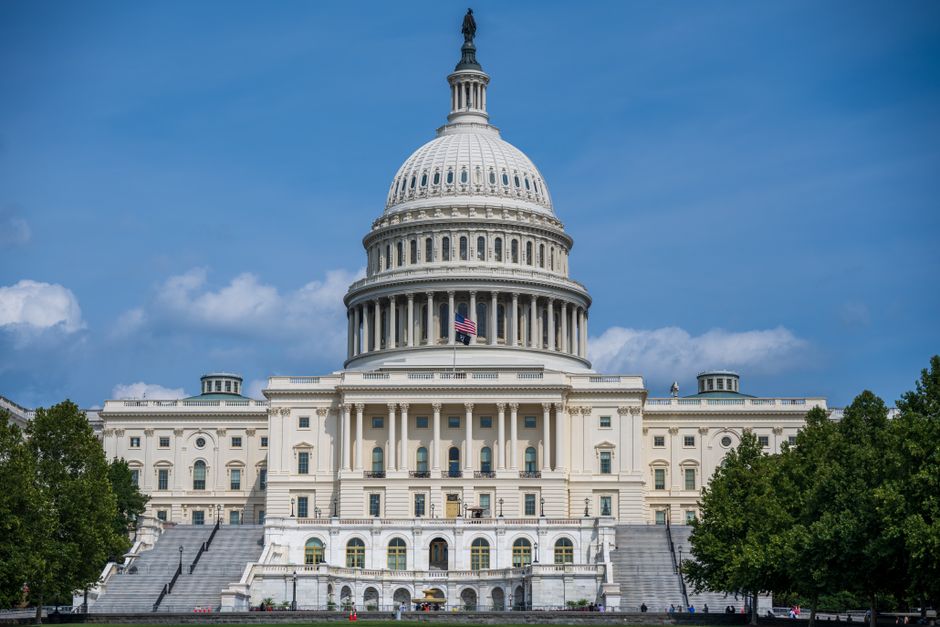
A bipartisan congressional inquiry into Nvidia's China dealings puts export-control enforcement and executive accountability at the center of Capitol Hill's technology agenda.
Bottom Line
Confirmed means supported by a primary source or strong independent sources; Disputed means credible sources conflict; Open means no solid primary source evidence either way.
- ConfirmedNvidia CEO Jensen Huang is scheduled to face bipartisan congressional questioning next week over Nvidia's sales of chips to Chinese entities, according to the New York Post.
- ConfirmedPresident Trump publicly raised the possibility of a pardon for Huang if he were indicted for export-control violations, while adding he did not expect an indictment to be necessary, per the New York Post.
- OpenWhether the Department of Justice has opened a formal criminal investigation into Nvidia's China chip sales has not been confirmed by any primary source.
- OpenThe specific congressional committee or committees conducting the inquiry have not been identified in available reporting.
Nvidia CEO Jensen Huang is scheduled to appear before Congress next week for bipartisan questioning about the semiconductor company's sales of chips to Chinese customers, according to a November 28, 2026 report by the New York Post. That report, the sole sourced account of the scheduled appearance available as of publication, states that Huang returned to the top position at Nvidia after a brief departure tied to a personal conduct matter unrelated to the congressional inquiry. Confirmed: the congressional hearing is reported as scheduled for next week. This story separates documented fact from theory and opinion, with interpretation marked as Analysis where it appears.
The congressional focus centers on Nvidia's dealings with China at a time when the United States government has imposed a series of export-control rules restricting the sale of advanced semiconductors and related technology to Chinese buyers. The Commerce Department's Bureau of Industry and Security has maintained an entity list and licensing requirements that govern which chips American companies may sell to foreign nationals and foreign-incorporated firms, particularly those with ties to the Chinese military or government. Confirmed: such export-control rules exist and apply to semiconductor manufacturers, per publicly available Commerce Department regulations.
The New York Post report states that President Trump has publicly raised the possibility of issuing a pardon to Huang if Huang were to be indicted for any violations of export-control law, while also stating he did not believe such an indictment would be necessary. Confirmed: the presidential statement is attributed to Trump in the New York Post account. The statement is notable because a pardon discussion in the absence of a filed indictment is procedurally premature under standard Justice Department practice, which generally does not issue pardons before charges are filed. Open: whether any grand jury proceeding or formal prosecutorial review of Nvidia's conduct is underway has not been confirmed by a court filing, DOJ press release, or verified independent report as of November 28, 2026.
Analysis: The combination of a presidential pardon comment and a congressional hearing signals that Nvidia's China-related business practices have become a point of bipartisan scrutiny, though the legal exposure of the company and its executives has not been defined in any publicly available charging document or congressional subpoena as of this writing.
The congressional angle is significant because oversight hearings carry their own evidentiary weight independent of any executive branch investigation. Members of Congress can compel testimony under oath, request document production, and refer findings to the Justice Department. The specific committee or committees convening the Huang session have not been identified in the available source material. Open: the committee assignment and the formal scope of the inquiry are unconfirmed as of publication.
Nvidia is the largest semiconductor company by market capitalization in the United States, according to public financial disclosures. Its H100 and A100 graphics processing units, which are central to artificial intelligence training workloads, became subjects of Commerce Department export restrictions beginning in 2022, when the Biden administration added licensing requirements for sales of those chips to China. The Biden-era rules were expanded in October 2023 and again in 2024. Confirmed: those regulatory actions are on record at the Federal Register.
Huang's return to the chief executive role at Nvidia following the personal conduct matter referenced in the New York Post account has not been detailed further in the available source material. The nature of his departure and reinstatement, and whether a board investigation produced any public findings, is Open based on available sourcing.
The breadth of the bipartisan interest in Nvidia's China dealings reflects a wider congressional posture toward technology transfer that has been visible across multiple sessions of Congress. Legislation such as the CHIPS and Science Act of 2022, passed with votes from both parties and signed into law by President Biden, included guardrail provisions restricting recipients of federal semiconductor subsidies from expanding production capacity in China for a defined period. Confirmed: those provisions are in the enacted text of Public Law 117-167.
Whether Nvidia received or applied for CHIPS Act funding, and whether any such application is relevant to the congressional inquiry, is Open. The CHIPS Program Office at the Commerce Department maintains a public list of announced awards, but no Nvidia award appears in that public record as of this writing.
The pardon comment by President Trump, if it reflects ongoing communication between the White House and Nvidia's leadership, could itself become a subject of congressional interest. Members of oversight committees in both chambers have previously requested documentation of White House contacts with companies under federal investigation. Open: no such document request has been confirmed in connection with Nvidia as of November 28, 2026.
Still to be resolved is whether the Justice Department has assigned prosecutors to review Nvidia's export-related conduct, what specific transactions are at issue in the congressional inquiry, and which members of Congress are leading the bipartisan effort. Each of those questions has a named public record that would answer it.
Sources Named in This Story
- New York Post, November 28 2026 (2026-11-28)
- Commerce Department Bureau of Industry and Security export-control regulations, Federal Register
- CHIPS and Science Act, Public Law 117-167
Still Open
- Whether the Department of Justice has opened a formal criminal investigation into Nvidia's China chip sales.
What would settle it: - Which congressional committee or committees are convening the hearing and the formal scope of the inquiry.
What would settle it: - What specific Nvidia transactions or chip models are under congressional review.
What would settle it: - Whether any communication occurred between the White House and Nvidia leadership prior to the presidential pardon comment.
What would settle it: