Colombia Lawmakers Visit Taiwan as Beijing Presses Bogota on One-China Policy
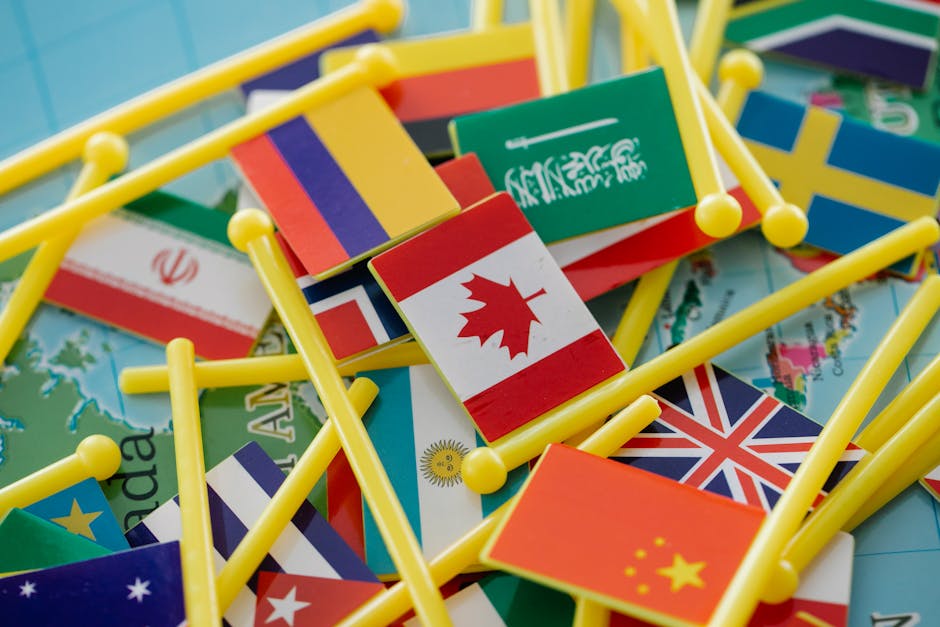
The episode tests how firmly Colombia's government will enforce diplomatic alignment with Beijing against an assertive legislature.
Bottom Line
Confirmed means supported by a primary source or strong independent sources; Disputed means credible sources conflict; Open means no solid primary source evidence either way.
- ConfirmedNine Colombian lawmakers traveled to Taiwan, prompting China's ambassador to meet Colombian congressional leaders and demand reaffirmation of the one-China policy, according to the South China Morning Post.
- OpenColombian President Abelardo de la Espriella has not commented on the Taiwan visit, leaving the executive branch's position on record unresolved.
- DisputedWhether the congressional leaders' reaffirmations to Beijing represent official Colombian government policy or only the positions of those individual legislators is not settled by any published government statement.
- OpenThe specific purpose and outcomes of the nine lawmakers' meetings in Taiwan have not been disclosed in any named public record.
Nine Colombian lawmakers were nearing the end of a visit to Taiwan on Thursday, November 27, 2026, as China's ambassador to Colombia convened urgent meetings with congressional leaders in Bogota demanding affirmations of the one-China policy, according to reporting by the South China Morning Post.
This story separates documented fact from theory and opinion. Anything interpretive is marked Analysis.
Chinese Ambassador Zhu Jingyang met Elizabeth Jay-Pang Diaz, who chairs the Colombian lower house foreign affairs committee, on Thursday, the South China Morning Post reported. The Chinese embassy said Jay-Pang Diaz reaffirmed the one-China principle during that meeting. This account is Confirmed by the South China Morning Post's report citing the Chinese embassy statement, though the embassy statement itself is evidence of the Chinese government's characterization of the meeting, not an independent record of what was said.
Colombian congressional leaders more broadly lined up to reaffirm the one-China policy in their encounters with Ambassador Zhu, the South China Morning Post reported. Whether those reaffirmations carry legal or policy weight for the Colombian executive branch is Open. No published Colombian government decree, Foreign Ministry statement, or congressional resolution establishing that the meetings bind Colombian policy has been identified in available sources.
President Abelardo de la Espriella had not commented on the Taiwan trip as of the date of publication, the South China Morning Post reported. His silence is Confirmed as a reported fact but Open as to meaning. Analysis: a sitting president's decision not to address a legislative delegation's visit to a territory at the center of one of the world's most sensitive bilateral disputes is itself a data point about the administration's posture, though the reason for the silence is unknown.
Colombia established formal diplomatic relations with the People's Republic of China in 1980, recognizing Beijing rather than Taipei. That foundational diplomatic alignment is Confirmed by the public diplomatic record. Visits by legislators to Taiwan are not prohibited under that framework in Colombian law, based on available public sources, though the Chinese government routinely characterizes such visits as violations of the one-China principle. Beijing's characterization of the visits as problematic is evidence of the Chinese government's position, labeled as such, not a legal ruling.
The episode illustrates a tension that has arisen in multiple Latin American countries in recent years. Legislatures in countries with formal ties to Beijing have periodically sent delegations to Taipei over objections from the executive branch or the Chinese embassy. Honduras, Nicaragua, and Panama have each shifted formal recognition from Taipei to Beijing since 2017, reducing the number of Latin American governments that maintain official ties with Taiwan. Colombia has not changed its formal position and continues to recognize Beijing. That record is Confirmed by the public diplomatic history of the region.
Taiwan maintains unofficial representative offices in countries that do not have formal diplomatic relations with Taipei, including Colombia. Interactions between legislators and those offices, or direct travel to Taiwan, exist in a category that Chinese diplomats contest but that host governments have handled differently. Whether Colombian law or executive policy prohibits or discourages such travel by members of its congress is Open. No published Colombian statute or executive order addressing the question has been identified in available sources.
Analysis: The speed with which Colombian congressional leaders met with Ambassador Zhu suggests sensitivity within the Colombian legislature itself to Chinese pressure, even though no executive branch directive has been documented. The absence of a presidential statement removes the most authoritative signal of where the Espriella administration stands.
The identities of the nine traveling lawmakers, the nature of their meetings in Taiwan, and any formal outputs such as joint statements or memoranda from the Taiwan visit have not been disclosed in any named public record reviewed for this report. Those details remain Open.
Beijing's response in Bogota follows a pattern the Chinese government has applied in other countries. After similar legislative visits to Taiwan in European and Latin American nations, Chinese embassies have requested meetings with government and parliamentary leaders to register objections. The pattern is Confirmed by prior South China Morning Post and Reuters reporting on analogous episodes in other capitals, though each country's response has differed.
The Colombian government's Foreign Ministry had not issued a public statement on the Taiwan visit or on Ambassador Zhu's meetings as of the date of this report, according to available sources. That absence of an official record means the ministry's position is Open.
Sources Named in This Story
- South China Morning Post (2026-11-27)
Still Open
- President Espriella's position on the Taiwan visit
What would settle it: - The specific agenda and outcomes of the nine lawmakers' meetings in Taiwan
What would settle it: - Whether Colombian law or executive policy restricts legislative travel to Taiwan
What would settle it: - The identities of the nine traveling lawmakers
What would settle it: