UN Climate Summit Collapses Without Agreement on Net-Zero Costs
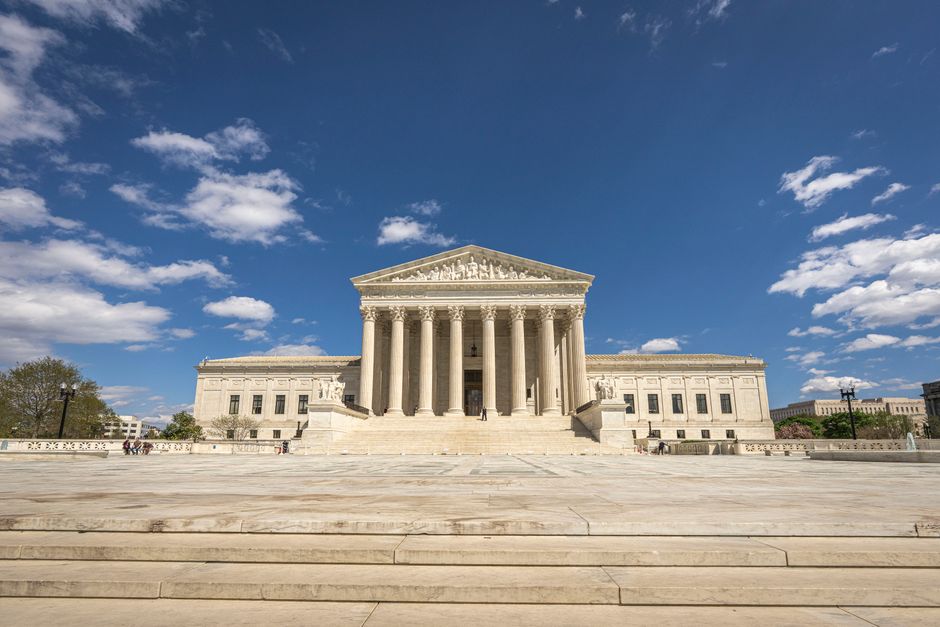
The breakdown in Turkey leaves Congress without an international framework as more than 130 countries, including U.S. States, hold open net-zero pledges that carry no published price tag.
Bottom Line
Confirmed means supported by a primary source or strong independent sources; Disputed means credible sources conflict; Open means no solid primary source evidence either way.
- ConfirmedThe United Nations Climate Summit in Turkey ended without a final agreement after two days of overtime, according to The Hill.
- ConfirmedMore than 130 countries and a large number of U.S. states have active net-zero pledges, most targeting 2050, per The Hill.
- OpenThe total fiscal cost and projected benefit of those net-zero pledges for the United States have not been officially quantified by any federal agency or congressional office.
- OpenNo congressional committee has scheduled a hearing to evaluate U.S. state-level net-zero commitments in light of the summit collapse.
The United Nations Climate Summit in Turkey closed without a final agreement on November 27, 2026, after two days of overtime negotiations, according to The Hill. That outcome leaves more than 130 countries, along with a large number of U.S. States, holding net-zero pledges with no binding international framework behind them.
This story separates documented fact from theory and opinion, with that separation stated here. Claims labeled Confirmed are supported by primary sources or strong independent sources. Claims labeled Disputed reflect credible source conflict. Claims labeled Open have no solid evidence either way.
Confirmed: A large number of U.S. States have individually pledged to reach net zero, most by 2050, according to The Hill. Those state-level commitments carry direct implications for federal energy regulation, infrastructure spending, and congressional budget negotiations, though the specific list of states with active legislative net-zero statutes was not detailed in the available source material.
Confirmed: Through two weeks of negotiations in Turkey, the summit produced no agreed text addressing what net-zero by 2050 would cost or how much emissions reduction it would deliver, per The Hill. The Hill also reported that the United Nations already holds the data tools necessary to model those figures, citing a website, NetZeroCostBenefit.com, built by a contributor to illustrate what the UN's own datasets would show.
Open: Whether any U.S. Federal agency, including the Environmental Protection Agency, the Department of Energy, or the Congressional Budget Office, has produced or is currently preparing a comprehensive cost-benefit analysis of the net-zero commitments made by U.S. States is not established by the available source material.
Analysis: The summit collapse creates a legislative gap that is likely to surface in congressional appropriations and energy committee debates. U.S. States that passed net-zero statutes did so against the backdrop of anticipated international coordination. Without a multilateral agreement, those statutes now operate in a framework with no shared accounting standard for costs or emissions credits.
The congressional angle is direct. Federal law governs interstate commerce in energy, and state-level net-zero mandates that require specific grid mixes or fuel standards can intersect with Federal Energy Regulatory Commission authority. No committee hearing specifically examining that intersection in the wake of the Turkey summit was identified in the available record as of publication.
Open: The total federal fiscal exposure from U.S. State net-zero commitments, including potential Inflation Reduction Act subsidy flows tied to clean energy build-out, has not been officially aggregated in any source available for this report. The Congressional Budget Office score for the Inflation Reduction Act's clean energy provisions is on the public record, but that score does not map directly onto state-level net-zero timelines and targets.
The Hill's report noted that the question of cost and benefit went unasked during the full two weeks of summit talks, characterizing that omission as notable given that the UN holds modeling tools capable of answering it. That framing is opinion from The Hill contributor and is not independently verified here.
For Congress, the more immediate procedural question is whether the Senate Foreign Relations Committee or the House Foreign Affairs Committee will seek a formal administration briefing on the summit outcome and what, if any, executive branch commitments were made or withdrawn during the Turkey negotiations. No such briefing request appeared in the congressional record as of publication.
The collapse also arrives as copper price volatility is affecting the fiscal capacity of copper-producing nations to fund climate-related infrastructure, according to Bloomberg, which reported November 27, 2026 that Peru's copper revenue windfall is fading just as the country prepared climate-linked fiscal spending. Copper is a primary input for the electrical grid expansion that most net-zero roadmaps require, meaning commodity price instability adds a supply-chain variable to any congressional cost estimate for domestic clean energy buildout. That connection is Open: no congressional study linking copper price risk to U.S. Net-zero infrastructure costs was identified in the available record.
Sources Named in This Story
Still Open
- Total cost and projected benefit of U.S. state net-zero pledges
What would settle it: - Whether any executive branch agency briefed Congress on the Turkey summit outcome
What would settle it: - Which U.S. states hold active net-zero statutes and their specific 2050 targets
What would settle it: - Federal fiscal exposure from Inflation Reduction Act subsidies tied to state net-zero timelines
What would settle it: