Trump Salutes Troops at Hormuz During White House Turkey Pardon
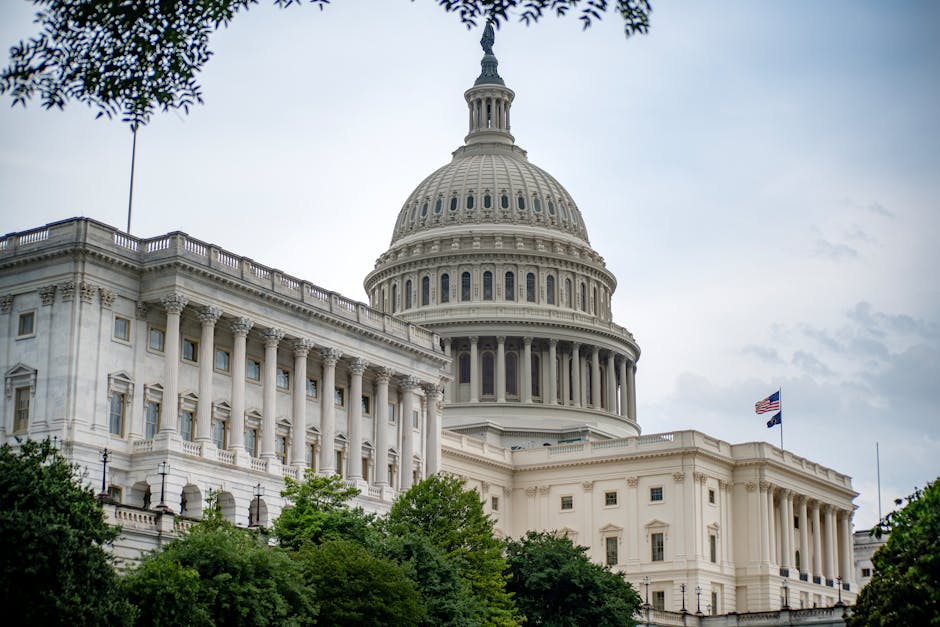
The president's remarks link a ceremonial tradition to an active naval operation, raising questions about the scope of congressional authorization for forces in the Strait of Hormuz.
Bottom Line
Confirmed means supported by a primary source or strong independent sources; Disputed means credible sources conflict; Open means no solid primary source evidence either way.
- ConfirmedPresident Trump used the White House turkey pardon ceremony on November 24, 2026, to publicly salute U.S. troops he said are enforcing a naval blockade against Iran in the Strait of Hormuz.
- ConfirmedTrump characterized the operation as 'the greatest naval blockade' against Iran, language that implies an ongoing, large-scale military enforcement action.
- OpenThe specific statutory or constitutional authority under which U.S. forces are conducting what Trump called a naval blockade of Iran has not been publicly confirmed.
- OpenWhether Congress has been formally notified under the War Powers Resolution of 1973 regarding the scope of the Hormuz operation remains unconfirmed.
President Donald Trump paused the annual White House turkey pardon ceremony on November 24, 2026, to salute U.S. Troops he described as guarding the Strait of Hormuz and enforcing what he called the greatest naval blockade against Iran, according to Fox News. Trump said directly to the troops: 'Watch over and protect.' The public statement marks one of the clearest White House characterizations to date of the military posture in that waterway.
This story separates documented fact from theory and opinion, with that separation stated here. What is Confirmed: Trump made the statement at a public White House event. What is Open: the legal framework authorizing the described operation, its precise operational scope, and the status of any congressional notification.
The Strait of Hormuz is a waterway through which, according to the U.S. Energy Information Administration, roughly 20 percent of global petroleum liquids transit annually. Any naval blockade enforced there would constitute a significant military operation with broad economic and diplomatic consequences. Trump's use of the phrase 'greatest naval blockade' (Confirmed, Fox News) goes beyond routine freedom-of-navigation patrols and implies an active interdiction posture, though the specific vessels, assets, and rules of engagement involved have not been detailed in any public Defense Department statement as of this report.
The War Powers Resolution of 1973, codified at 50 U.S.C. Sections 1541 through 1548, requires the president to notify Congress within 48 hours of introducing U.S. Armed forces into hostilities or situations where hostilities are imminent. It further limits unauthorized deployments to 60 days without congressional authorization. Whether the administration has submitted any such notification to the House and Senate in connection with the Hormuz operation is Open. No War Powers notification related to this operation appears in the publicly searchable Congressional Record as of November 24, 2026.
Separately, a naval blockade under international law is generally treated as an act of war when enforced against a sovereign state's shipping. The administration has not released a legal opinion defining the operation under domestic or international law. The Office of Legal Counsel at the Department of Justice would typically produce such a memorandum for sustained military operations; whether one exists is Open.
Congress has not passed a new Authorization for Use of Military Force specifically targeting Iran since the AUMF debates of prior sessions. The 2001 AUMF (Public Law 107-40) targets organizations responsible for the September 11 attacks and does not name Iran by jurisdiction. The 2002 AUMF (Public Law 107-243) authorized force against Iraq. No enacted statute on the public record explicitly authorizes a naval blockade of Iran as of this report.
Senate and House Armed Services Committees have jurisdiction over military operations and would ordinarily receive classified briefings on deployments of this scale. No committee statement confirming or denying receipt of a War Powers notification on the Hormuz operation has been published in the Congressional Record or on either committee's official website as of November 24, 2026. Committee silence is not confirmation that no briefing occurred; classified briefings are not publicly disclosed by rule.
The turkey pardon ceremony is a presidential tradition with no legislative force, but Trump's choice to use it as a platform to publicly characterize an ongoing military operation is a documented executive communication (Confirmed, Fox News). Presidential statements made in public ceremonies carry weight as expressions of official policy and are regularly entered into the public record by the White House press office.
Analysis: The gap between the operational language Trump used, 'greatest naval blockade,' and the absence of any public congressional notification or authorization document is the central accountability question this report cannot resolve from available sources. That gap is not evidence of wrongdoing; presidents have broad commander-in-chief authority, and the full legal picture may exist in classified channels. It is evidence of an information deficit that the named public records below could fill.
No Defense Department press release, Pentagon budget amendment request to Congress, or supplemental appropriations bill linked to a Hormuz blockade operation appears in the USASpending.gov database or on the Office of Management and Budget's public legislative clearance list as of this report. Funding for sustained naval operations of the scale implied would ordinarily appear in a reprogramming request or supplemental appropriation submitted to the House and Senate Appropriations Committees.
Sources Named in This Story
- Fox News: Trump pauses turkey pardon to salute US troops guarding Strait of Hormuz (2026-11-24)
- War Powers Resolution of 1973, 50 U.S.C. sections 1541 to 1548
- Authorization for Use of Military Force, Public Law 107-40 (2001)
- Authorization for Use of Military Force Against Iraq, Public Law 107-243 (2002)
- U.S. Energy Information Administration, Strait of Hormuz fact sheet
- Congressional Record, public version, searched November 24 2026 (2026-11-24)
- USASpending.gov, searched November 24 2026 (2026-11-24)
Still Open
- Whether the administration filed a War Powers Resolution notification with Congress regarding the Hormuz operation.
What would settle it: - The specific statutory or constitutional authority the administration is relying on to conduct a naval blockade of Iran.
What would settle it: - The assets, rules of engagement, and operational scope of the described Hormuz blockade.
What would settle it: - Whether Congress has appropriated funds specifically for this operation or whether existing appropriations are being used.
What would settle it: