DOJ AI Fair Use Position Conflicts With White House Copyright Framework
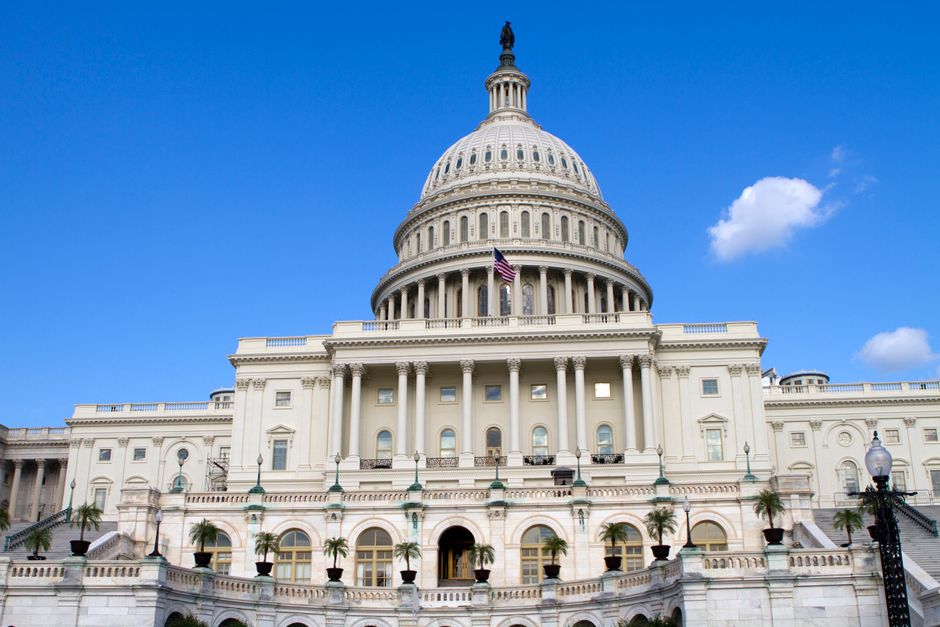
The Justice Department's embrace of fair use for AI training creates a split within the executive branch at the moment Congress faces pressure to legislate copyright rules for artificial intelligence.
Bottom Line
Confirmed means supported by a primary source or strong independent sources; Disputed means credible sources conflict; Open means no solid primary source evidence either way.
- ConfirmedThe DOJ has formally adopted a position that AI training on copyrighted material qualifies as fair use, placing it in direct conflict with a White House framework that takes a different approach to the same question.
- ConfirmedOpenAI and Microsoft are parties to active legal disputes with news organizations over copyright claims tied to AI training data, giving Congress a live legislative target.
- OpenNo congressional committee has scheduled markup of legislation that would resolve the conflict between the DOJ position and the White House framework.
- OpenThe financial terms of any licensing arrangements that AI companies may have offered to news organizations have not been disclosed in public filings.
The Department of Justice has publicly endorsed fair use as the governing legal doctrine for AI training on copyrighted material, a position that Fox News Opinion reported on November 24, 2026, conflicts with the White House's own stated framework on the subject. The congressional angle is direct: the split within the executive branch leaves Congress without a unified administration position to respond to as committees consider whether to legislate copyright rules for artificial intelligence.
This story separates documented fact from theory and opinion, with that separation stated here. Claims labeled Confirmed are supported by a primary source or strong independent sources. Claims labeled Disputed reflect credible source conflict. Claims labeled Open have no solid evidence either way.
Confirmed: The DOJ's fair use stance for AI training is a matter of public record, as reported by Fox News citing the department's own framework documents. The White House has separately published guidance that does not align with the DOJ's fair use interpretation, according to the same Fox News report. The gap between those two positions is the operative fact for any congressional staffer drafting legislation on AI and intellectual property.
Confirmed: OpenAI and Microsoft are involved in active legal disputes with news organizations over whether AI companies may train large language models on copyrighted journalistic content without licensing agreements. Those cases are proceeding in federal court. The outcomes will shape the legal baseline that any future legislation would either codify or override.
The TCT has previously reported on the DOJ fair use stance in DOJ Fair Use Stance on AI Training Conflicts With White House Framework. That earlier coverage established the basic conflict. The present reporting adds the congressional dimension: without a reconciled executive branch position, committee chairs lack a clear administration counterpart to negotiate with over the terms of potential legislation.
Open: No committee markup of AI copyright legislation has been scheduled as of November 24, 2026, according to publicly available congressional calendars. The House Judiciary Committee and the Senate Judiciary Committee both have jurisdiction over copyright law. Neither has posted a hearing notice specifically addressing the DOJ versus White House split, based on publicly posted committee schedules.
Analysis: When two parts of the executive branch hold conflicting legal positions on a question that Congress must eventually resolve, the legislative process slows because members cannot anchor a bill to a single administration stance. That dynamic is present here. The DOJ position, if it prevails in court, would reduce pressure on Congress to act. The White House framework, if it guides agency enforcement, could accelerate calls for a statutory fix.
The copyright question for AI training centers on a narrow legal point. Fair use under Title 17 of the United States Code is a four-factor test. The DOJ's position, as reported by Fox News, is that large-scale AI training meets that test. Critics, including news organizations in active litigation, argue that commercial AI training fails at least two of the four factors, specifically the nature of the use and the market effect on the original work.
Confirmed: OpenAI and Microsoft have faced legal claims from news organizations in federal court. The specific cases are a matter of public court record. Neither company has disclosed the full terms of any licensing deals they may have reached with other publishers, so the market rate for AI training licenses, if one exists, is not established in public filings.
The legislative precedent most often cited in this context is the Digital Millennium Copyright Act of 1998, which created safe harbor provisions for internet platforms. Some copyright scholars have argued in public testimony before congressional committees that an AI-specific safe harbor, conditioned on licensing, could resolve the current dispute. That proposal has not advanced to a floor vote in either chamber as of the date of this report.
Open: Whether the DOJ position was coordinated with the White House before its public release has not been confirmed by any primary source document such as an Office of Management and Budget review record or interagency correspondence released under the Freedom of Information Act. The Fox News report describes the positions as conflicting but does not cite an internal document establishing the sequence of events.
For Congress, the practical consequence of the executive branch split is that any member introducing AI copyright legislation must choose which executive position to align with, or write a bill that supersedes both. That is a higher degree of legislative difficulty than exists when the administration speaks with one voice. The judiciary committees in both chambers have the committee jurisdiction and the institutional expertise to hold that debate, but no hearing has been announced.
Sources Named in This Story
- Fox News Opinion, November 24 2026 (2026-11-24)
- The Congressional Times, DOJ Fair Use Stance on AI Training Conflicts With White House Framework
- Title 17, United States Code, fair use provisions
- House Judiciary Committee public schedule
- Senate Judiciary Committee public schedule
Still Open
- Whether the DOJ coordinated its fair use position with the White House before publication
What would settle it: - Whether any congressional committee has scheduled markup of AI copyright legislation
What would settle it: - The market rate or financial terms of any AI training licenses offered by OpenAI or Microsoft to news organizations
What would settle it: - Which of the two executive branch positions, DOJ or White House, the Office of Science and Technology Policy formally endorses
What would settle it: