Trump Confronts Newsom Over California Death Row Commutations at DOJ
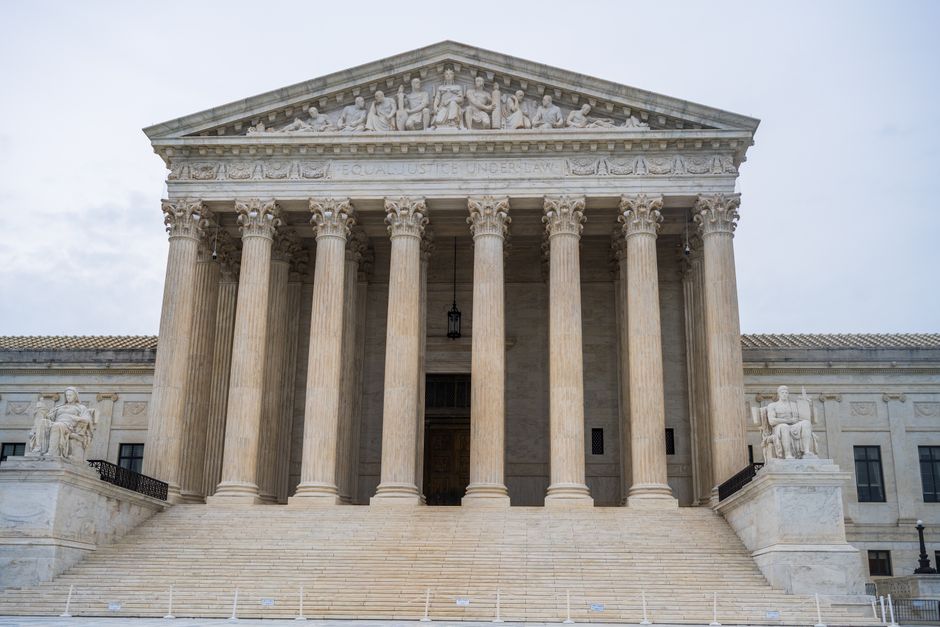
The White House's decision to stage a Justice Department briefing with victims' families puts federal executive power directly against a sitting governor's clemency authority, a tension Congress...
Bottom Line
Confirmed means supported by a primary source or strong independent sources; Disputed means credible sources conflict; Open means no solid primary source evidence either way.
- ConfirmedPresident Trump held an event at the U.S. Department of Justice on Monday where families of murder victims spoke publicly against California Governor Gavin Newsom's mass commutation of 548 death row sentences.
- ConfirmedGovernor Newsom issued the commutations unilaterally, converting all 548 death sentences on California's death row to lesser sentences.
- OpenWhether the Trump administration will pursue federal legislative or legal action in response to the commutations has not been established by any public record.
- OpenThe legal basis, if any, for federal intervention in a state governor's clemency decisions has not been stated in any filed court document or introduced legislation.
President Trump hosted victims' families at the U.S. Department of Justice on Monday, November 24, 2026, in a public event directed at California Governor Gavin Newsom's decision to commute the death sentences of all 548 inmates on California's death row, according to reporting by the New York Post. The event marked a formal use of a federal department's public platform to respond to a state executive action.
This story separates documented fact from theory and opinion, with that separation stated here: the facts below are drawn from named public reports and official statements; interpretive points are marked Analysis.
Confirmed: Newsom's commutations converted 548 death sentences in California to sentences without the possibility of execution. The governor acted under California's executive clemency authority, which is established in the California Constitution and does not require legislative approval, according to the New York Post report.
Confirmed: The Trump administration chose the DOJ as the venue for Monday's event. The selection of the Justice Department rather than the White House is a documented logistical choice that placed a cabinet-level federal agency in a visible role in the dispute. No DOJ enforcement action, filing, or formal legal challenge to the commutations was announced at the event, based on available reporting.
Confirmed: Bereaved family members of murder victims whose perpetrators were among the 548 spoke at the event, according to the New York Post account. The families stated their opposition to the commutations directly at a federal government podium.
Open: Whether the administration intends to propose or support federal legislation responding to state clemency powers has not been confirmed by any congressional record, introduced bill, or White House legislative affairs communication as of the date of this story.
Analysis: The use of a Justice Department venue for a political event directed at a sitting governor's clemency decision is unusual in that it blends executive communications strategy with the institutional identity of a law enforcement agency. Whether that constitutes a policy signal toward Congress or is primarily a public communications action is not established by the available record.
The constitutional question underlying the confrontation is substantive. State governors hold clemency power under their own state constitutions, and that power has historically been treated by federal courts as outside direct federal override. No federal statute currently reviewed for this story gives Congress or the executive branch authority to reverse a state governor's commutation of a state sentence.
The political context is also documented. Newsom has been publicly identified as a potential Democratic presidential candidate for 2028 in multiple news cycles. Trump has criticized Newsom by name on multiple prior occasions. The Monday DOJ event represents the most direct institutional confrontation between the two on record as of this date.
Confirmed: The New York Post opinion piece reporting the event noted that people of conscience differ on the death penalty as a matter of principle. That framing is included here because it reflects a documented editorial acknowledgment in the primary source that the underlying policy question is contested.
No members of Congress have introduced legislation in response to Newsom's commutations as of the date of this story, based on a review of publicly available congressional records. The House and Senate calendars for the week of November 24, 2026, do not list any scheduled hearing or markup related to state clemency authority or federal capital punishment policy, according to publicly posted chamber schedules.
The Justice Department did not release a formal statement, press release, or legal filing connected to the event as of the time of publication, based on a review of the DOJ's public communications archive. What specific policy or legal steps, if any, the administration plans to take remains open.
Sources Named in This Story
- New York Post (2026-11-23)
Still Open
- Whether the Trump administration will seek federal legislation or file a legal challenge related to Newsom's death row commutations.
What would settle it: - Whether any member of Congress plans to hold hearings on state clemency authority in relation to this action.
What would settle it: - The full list of offenses for which the 548 commuted inmates were sentenced, and the conditions of their new sentences.
What would settle it: