Senate GOP Needs Republican Votes to Confirm LaNeve as Army Chief
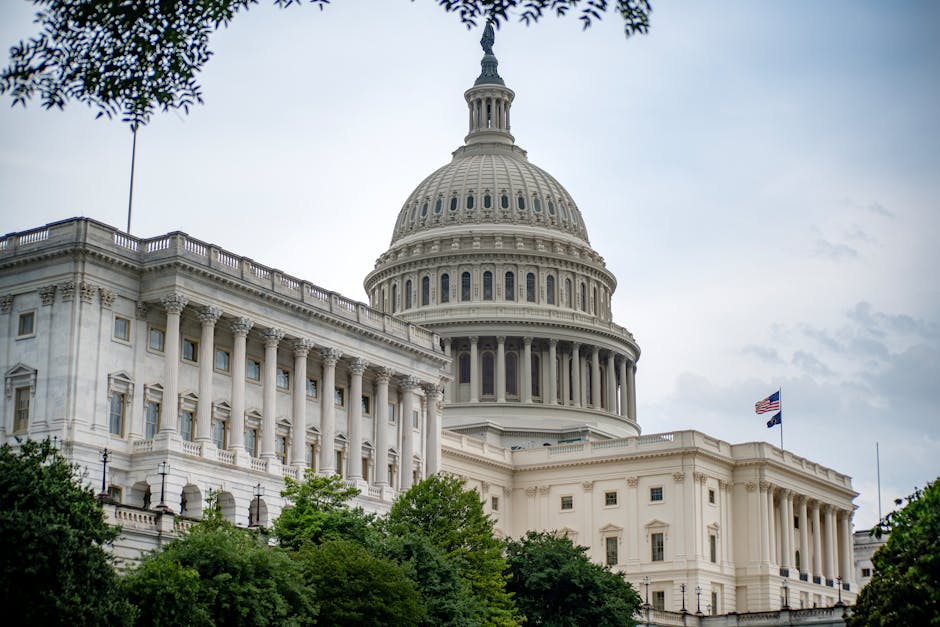
A thin Republican majority in the Senate Armed Services Committee means the White House nomination of Gen. Christopher LaNeve for Army chief of staff faces internal party resistance before any...
Bottom Line
Confirmed means supported by a primary source or strong independent sources; Disputed means credible sources conflict; Open means no solid primary source evidence either way.
- ConfirmedThe White House submitted the nomination of Gen. Christopher LaNeve to serve as Army chief of staff, and Senate Armed Services Committee Chairman Roger Wicker stated publicly that Republicans will need to persuade one or more Republican senators to change their position for the nomination to advance.
- ConfirmedWicker's comment indicates at least one Republican on the committee or in the broader Senate conference is not currently aligned with the nomination, creating a floor or committee math problem for GOP leadership.
- OpenThe specific Republican senator or senators whose votes are in question have not been publicly identified, and no committee vote date has been announced.
- OpenThe basis for any Republican objection to LaNeve has not been stated on the public record.
Senate Armed Services Committee Chairman Roger Wicker (R-MS) said publicly this week that Republicans will need to 'turn around a Republican vote or two' to confirm Gen. Christopher LaNeve as chief of staff of the Army, according to Washington Examiner. That statement, made after the White House formally submitted LaNeve's nomination to the Senate, is Confirmed as the central documented fact of this story.
This story separates documented fact from theory and opinion, with that separation stated here. What is Confirmed comes from Wicker's on-record statement reported by the Washington Examiner and the White House's formal submission of the nomination. What is Open is the identity of the dissenting Republican or Republicans, the reason for any objection, and the timeline for a committee or floor vote.
The White House submitted LaNeve's nomination during the week of November 17, 2026, according to the Washington Examiner. Gen. Christopher LaNeve is a serving U.S. Army general. The Army chief of staff position is a statutory four-star post confirmed by the Senate under 10 U.S.C. The nomination requires Senate confirmation, which typically originates in the Armed Services Committee before a floor vote. That procedural path is Confirmed by standard Senate practice recorded in the Congressional Research Service's descriptions of military nominations.
Wicker's public statement that the nomination requires winning over one or more Republican votes is significant because Republicans currently hold the Senate majority. In a Senate where the majority party controls the floor schedule and committee gavels, the need to pursue votes within the majority party signals that the nomination cannot advance on party-line support alone. Whether that resistance originates in committee or among the full Senate Republican conference is Open, as neither Wicker's quoted remarks nor any other public record identified in available reporting names the specific senator or senators.
Analysis: A Republican chairman publicly acknowledging an internal vote deficit before a confirmation hearing is scheduled is an early indicator that the nomination process will require active whipping rather than routine majority management. It does not, on its own, indicate the nomination will fail.
The Army chief of staff serves as the senior uniformed leader of the Army and is a member of the Joint Chiefs of Staff. The position is distinct from the Secretary of the Army, which is a civilian post. Military nominations to four-star positions and Joint Chiefs roles have historically drawn occasional bipartisan friction, but it is Open whether any objection to LaNeve follows a pattern of policy disagreement, personal background concerns, or other grounds, because no senator has stated a reason on the record as of the date of this publication.
The Armed Services Committee under Wicker has jurisdiction over the nomination. The committee's current composition and the specific vote count threshold needed to report the nomination favorably to the full Senate are part of the public Senate record, but no markup or hearing date for the LaNeve nomination has been announced in available reporting. That timing is Open.
No lobbying disclosures, Federal Election Commission filings, or USASpending contract records reviewed for this story connect any registered lobbying interest directly to the LaNeve nomination. The confirmation process for military officers is governed by statute and Senate rules rather than executive agency contracting. No court filings relate to this nomination.
The Washington Examiner's Pentagon Posture newsletter, which carried Wicker's statement, is a subscription publication. The quoted language, 'to turn around a Republican vote or two,' is attributed directly to Wicker and reported as a statement made in the context of the nomination's prospects. No other publication independently corroborated the specific Wicker quote in sources available as of November 20, 2026, making the single-source attribution worth noting, though the Washington Examiner is a verifiable news organization with an identifiable reporter covering the Pentagon beat.
No Democratic response to the LaNeve nomination appeared in the source material reviewed for this story. Whether Democratic senators on Armed Services support, oppose, or are neutral on the nomination is Open. If Democratic votes were needed to offset Republican defections, that would change the political dynamic materially, but no evidence in available reporting indicates Democratic votes are being sought or offered.
The still-open questions most material to the Senate's handling of this nomination are the identity of the dissenting Republican and the committee hearing schedule. Both would appear in the Senate Armed Services Committee's public calendar and in senators' public statements or press releases.
Sources Named in This Story
- Washington Examiner, Pentagon Posture newsletter (2026-11-20)
- Congressional Research Service, Senate Confirmation of Military Nominations
- 10 U.S.C. (statutory authority for Army chief of staff position)
Still Open
- Which Republican senator or senators are not currently supporting the LaNeve nomination.
What would settle it: - The reason or reasons for any Republican objection to Gen. LaNeve.
What would settle it: - Whether Democratic votes on Armed Services are being considered as a fallback if Republican defections exceed one or two.
What would settle it: - The scheduled date for a committee hearing or markup on the LaNeve nomination.
What would settle it: