Storm Kills Woman in Argentina's Catamarca Province
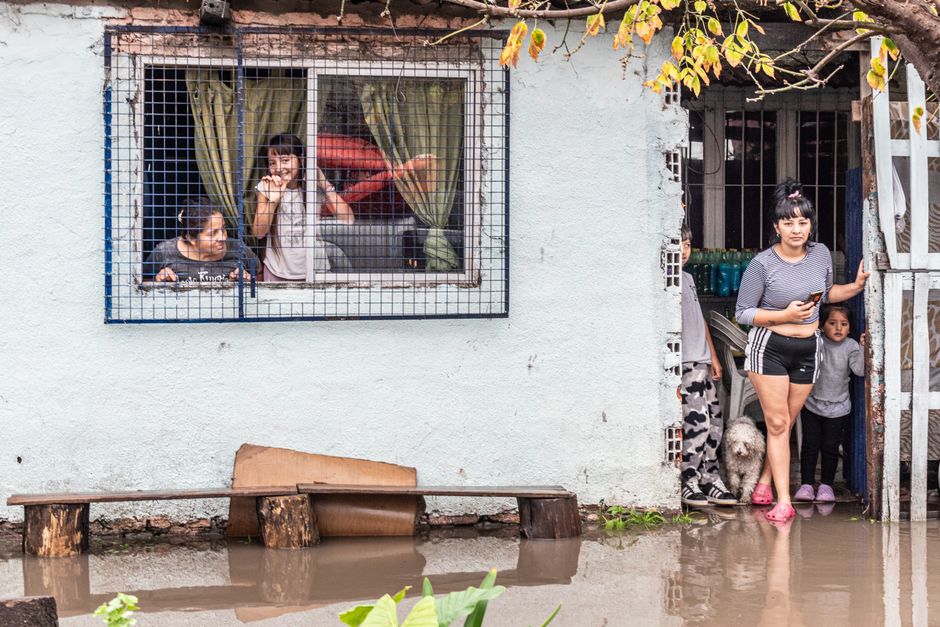
The death illustrates the recurring vulnerability of residential areas in northwestern Argentina to flash flooding during peak storm season, raising questions about public warning systems and...
A 67-year-old woman died in the city of Catamarca, Argentina, early Saturday after floodwaters swept her away as she attempted to move her vehicle from a compromised area during an intense storm, according to La Nacion.
The victim was identified as Sara Norma Castillo. She had been at her home on Avenida Güemes, near its intersection with Vicente Ponessa in the provincial capital, when she went outside during the most intense period of rainfall, La Nacion reported.
Castillo was attempting to protect her car from hail when she was caught by a torrent of water. Emergency responders confirmed she was swept away and later died. La Nacion described her as the first confirmed fatality of the storm system that struck Catamarca province this week.
Catamarca province sits in the semi-arid northwestern region of Argentina, where seasonal convective storms can produce rapid accumulations of rain and hail. The region's topography, characterized by narrow river valleys and limited drainage infrastructure in urban areas, makes it prone to flash flooding when intense precipitation occurs over short periods.
Argentina's National Meteorological Service (SMN) issues storm alerts for the region during the November-to-March wet season, when warm, moist air from the northeast collides with Andean terrain. Whether an active alert was in effect for Catamarca city at the time of the storm has not been confirmed in available reporting.
The incident fits a documented pattern of storm-related deaths in Argentine provinces during the summer season. According to public health data cited by Argentina's Ministry of Health in prior years, the majority of storm fatalities in the country involve individuals caught outdoors or in vehicles during peak precipitation events, often while trying to secure property.
Local authorities in Catamarca had not issued a formal statement on emergency response protocols or infrastructure conditions in the affected neighborhood as of the time of La Nacion's report. It is not known whether drainage systems on Avenida Güemes had prior histories of overflow during storms. That information would need to come from the Catamarca municipal public works department.
The broader storm system that struck the province this week also caused property damage, though the full extent of that damage had not been quantified in available sources as of publication. Additional casualties beyond Castillo had not been reported by La Nacion.
Public safety officials in Argentina have previously urged residents to avoid contact with floodwaters during storms, noting that fast-moving water carrying debris can be fatal even at relatively shallow depths. Whether Catamarca municipal authorities issued specific guidance during this week's storm is not established in available reporting.
The death is likely to prompt renewed local discussion about urban flood preparedness in Catamarca city. What would clarify the adequacy of the municipal response is a formal review by provincial emergency management authorities, which had not been announced as of the reporting date.