Nasdaq Plans 23-Hour Trading Window Starting December 6
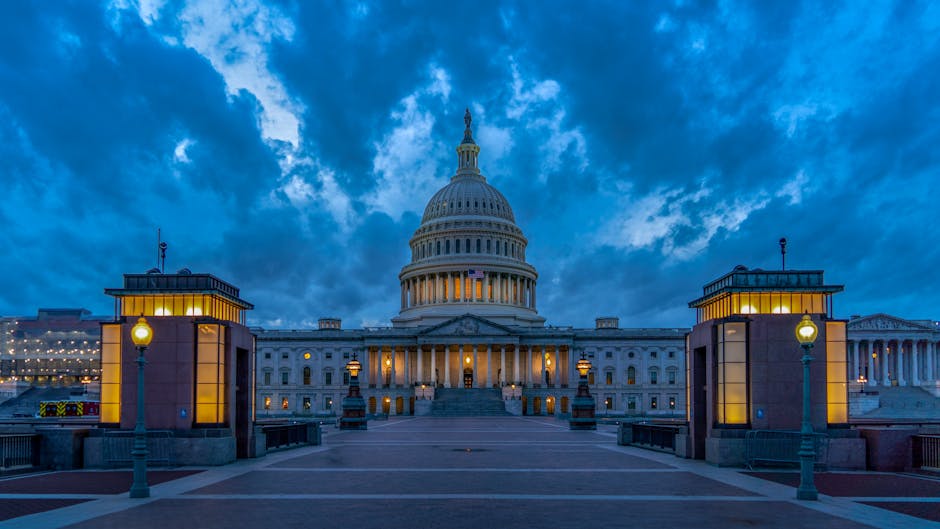
The extension places US equity trading directly inside Asian market hours, creating a structural competitive pressure on Hong Kong and other regional exchanges that has not previously existed in...
Nasdaq is preparing to expand trading in US equities to nearly 23 hours a day, with a launch date set for December 6, 2025, according to the South China Morning Post. The expansion introduces an overnight session running from 9pm to 4am Eastern Time, covering a window that corresponds to 10am to 5pm in Hong Kong and Beijing during US winter hours.
That overlap means investors in Asia will be able to trade US-listed equities on Nasdaq at the same time they would ordinarily be transacting on the Hong Kong Stock Exchange or other regional markets. The simultaneity is a departure from the current system, in which US and Asian market hours are separated by several hours and trading in US equities outside regular sessions has been limited and conducted through separate after-hours platforms.
The South China Morning Post report frames the development as a direct competitive challenge to Hong Kong's position as Asia's primary gateway to international capital markets. Hong Kong's exchange operates under a regime that has historically benefited from time-zone separation, allowing it to price risk and absorb regional capital flows during hours when US markets are closed.
The mechanism behind the expansion relies on Nasdaq's ability to operate an extended continuous session, connecting market makers, institutional traders, and retail participants across time zones through a single regulated platform. Full details of the liquidity guarantees and market-maker obligations for the overnight window had not been disclosed in publicly available exchange filings as of the date of this report.
For institutional investors based in Asia, the change reduces the friction of gaining exposure to US equities. Currently, Asian-based funds that want to react to US economic data released during Asian hours must wait for US markets to open, or use derivatives and American Depositary Receipts as proxies. Direct access to Nasdaq during local business hours removes that constraint.
Hong Kong's exchange, operated by Hong Kong Exchanges and Clearing Limited (HKEX), had not issued a public response to the Nasdaq announcement as of the date of this report, according to publicly available exchange communications. HKEX's last major structural reform, the introduction of a closing auction session in 2016, was itself partly motivated by competitive pressure from mainland Chinese exchanges and international platforms.
The December 6 launch date places the change inside a period of heightened sensitivity for Hong Kong's financial sector. The city's exchange has faced sustained questions about capital flows and investor confidence since 2020, when amendments to the national security framework altered the regulatory environment for listed companies and international fund managers operating there.
The competitive implications extend beyond Hong Kong. Exchanges in Tokyo, Singapore, and Sydney also operate during the hours that would now overlap with the extended Nasdaq session. Each of those markets has distinct listing rules and investor bases, but all compete at the margin for the attention and capital of institutional investors who allocate globally.
The Nasdaq extension also carries implications for currency markets and overnight derivatives pricing. Traders who use US equity futures listed on the Chicago Mercantile Exchange as a proxy for Nasdaq sentiment during Asian hours may shift a portion of that activity to the cash market once direct access is available, though the scale of any such shift would depend on transaction costs and regulatory treatment in individual jurisdictions.
Nasdaq has not published a detailed market structure analysis of the expected liquidity profile for the new session window in documents available through its public regulatory filings as of November 9, 2026. The practical depth of the overnight market, particularly during low-volume periods, will determine whether institutional participants treat the extended session as a primary execution venue or a supplementary one.
What the change formally establishes, regardless of initial liquidity levels, is that the structural separation between US and Asian trading hours will no longer exist as a default feature of global equity markets. Whether that reorganization shifts meaningful volume or revenue away from Asian exchanges will become measurable only after the session has operated through several full market cycles.