White House Says Trump Holds Leverage Over Iran After Midterm Results
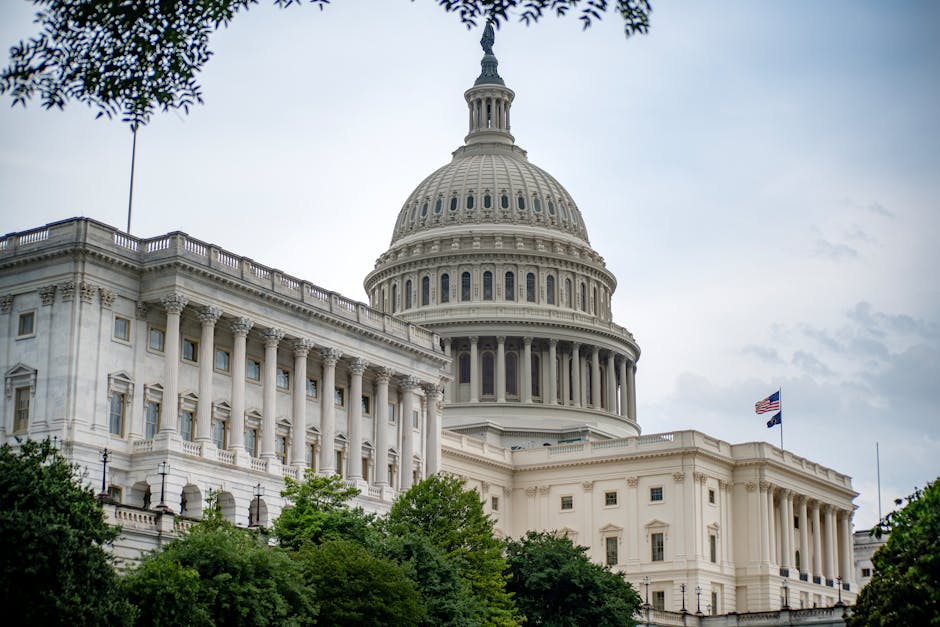
With midterm outcomes now shaping the domestic political landscape, the administration's posture on Iran and the Strait of Hormuz will face new congressional scrutiny in the next session.
The White House stated this week that President Trump retains strategic leverage over Iran's government, specifically citing control over U.S. Policy in the Strait of Hormuz, as Supreme Leader Ayatollah Mojtaba Khamenei made public statements directed at the United States following the November 4, 2026 midterm elections, according to Fox News.
The Strait of Hormuz is a waterway through which, according to the U.S. Energy Information Administration's most recent published estimate, approximately 20 to 21 percent of global petroleum liquids transit annually. Any disruption to passage through the strait carries direct consequences for U.S. Energy prices and global oil markets.
The White House did not specify in the Fox News account what concrete actions the administration is prepared to take in the strait, nor did it disclose the operational or legal framework under which such actions would be authorized. The specific statutory authority the administration is relying on to conduct operations in or near the Strait of Hormuz is not publicly identified in available documents.
The midterm elections, held November 4, 2026, produced a shift in congressional composition. As reported previously by The Congressional Times, Democrats claimed a majority in at least one chamber, which will alter the committee structure and subpoena power available to Congress beginning in January 2027. See Democrats Claim Midterm Majority as Congress Prepares for January Power Transfer for the current seat count and leadership transition timeline.
That shift in congressional control is directly relevant to the Iran posture question. The committees with jurisdiction over executive military and foreign policy actions, including the House Foreign Affairs Committee and the Senate Foreign Relations Committee, will have different chairs and different majorities in the next Congress. The composition of those committees, which will be finalized after the January 3, 2027 swearing-in, is not yet publicly confirmed.
Congress holds authority under the War Powers Resolution of 1973 (50 U.S.C. 1541 et seq.) to require the president to notify it within 48 hours of introducing U.S. Armed forces into hostilities or situations where hostilities are imminent. If U.S. Forces have been or are being committed in the Strait of Hormuz in a capacity that meets that threshold, any notification submitted to Congress would be part of the congressional record. No such notification has been confirmed in publicly available congressional records as of November 8, 2026.
The administration's reference to holding leverage in a potential conflict with Iran follows a pattern of executive branch statements on Iran that have drawn periodic congressional review. In 2020, the Trump administration's authorization of the strike that killed Iranian General Qasem Soleimani prompted both chambers to pass war powers resolutions, which President Trump vetoed. The Senate vote on that resolution was 55 to 45, with eight Republicans joining all Democrats in support, according to the Senate roll call record for Senate Joint Resolution 68.
It is unknown at this time whether the current White House statements on Iran reflect a change in rules of engagement, an escalation of existing naval operations such as those previously documented by this publication, or are primarily rhetorical in nature. The document that would clarify operational status is a War Powers notification, an updated Presidential Directive, or a classified annex to an existing authorization for use of military force, none of which are currently available in public records.
The U.S. Naval presence in the region has been an ongoing subject of congressional oversight. As previously reported, CENTCOM Aircraft Disables Commercial Vessel in Gulf of Oman Naval Blockade details a specific recent incident involving U.S. Forces in adjacent waters.
What remains unknown is the specific policy directive, operational order, or statutory authority the White House is citing when it characterizes the president as holding leverage over the Strait of Hormuz. A Freedom of Information Act request to the Department of Defense or a congressional oversight request to the relevant combatant command would be the appropriate instruments to obtain that documentation. Neither action has been confirmed as filed or pending in publicly available records as of the date of publication.