U.S. Military Strikes Iranian Air Defenses a Second Time in One Week
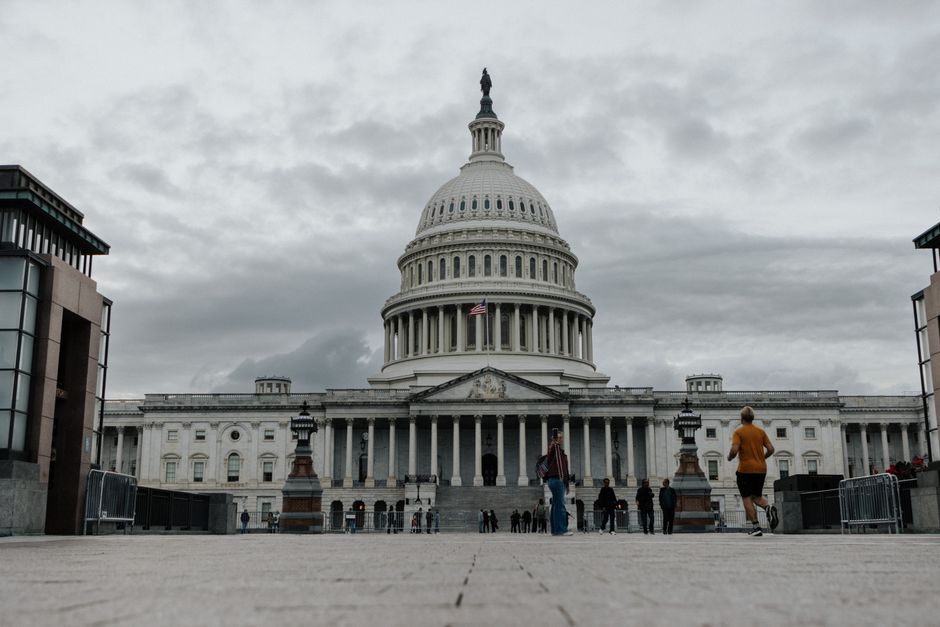
Two rounds of U.S. Strikes on Iranian territory within five days, the second occurring the day after the 2026 midterm elections, raise questions about the relationship between military timing and...
The United States military conducted a second round of strikes against Iranian air defense systems on Friday, November 7, 2026, President Trump confirmed in a public statement reported by The Hill. Trump described the strikes as "minor" in his public remarks.
The Friday strikes followed an earlier round of U.S. Military action on Monday, November 2, 2026, one day before the 2026 midterm elections. That earlier strike targeted Qeshm Island, which houses an Iranian naval base and sits in the Strait of Hormuz, a waterway through which approximately 20 percent of global oil trade passes, according to the U.S. Energy Information Administration's publicly available shipping data.
Iranian state media reported explosions on Qeshm Island on Friday, confirming the second round of strikes had produced observable effects on Iranian territory. The Iranian government's official characterization of the strikes, beyond the state media report of explosions, was not fully detailed in the available source material at time of publication.
The timing of the first strike carries additional context. Trump had stated publicly, prior to the midterms, that he would not strike Iran until after the midterm elections, according to The Hill's reporting. The Monday strike on Qeshm Island came one day before those elections, departing from that stated position. The White House has not issued a public explanation for the change in timing, and no such explanation appears in the available record.
The two rounds of strikes represent a notable shift in direct U.S. Military engagement with Iran. The legal authority under which the strikes were conducted, specifically which Authorization for the Use of Military Force or Article II executive authority the administration is relying upon, has not been publicly stated in available documents as of this writing. A formal notification to Congress under the War Powers Resolution of 1973 (50 U.S.C. 1541-1548) would be required within 48 hours of introducing U.S. Armed forces into hostilities. Whether such a notification was submitted to congressional leadership is unknown. The relevant document would be a War Powers Resolution notification letter filed with the Speaker of the House and the President pro tempore of the Senate.
Qeshm Island holds strategic significance beyond its naval base. It is located at the entrance to the Strait of Hormuz and has been identified in prior U.S. Defense Intelligence Agency assessments as a staging area for Iranian naval operations, including the deployment of fast-attack craft. Disruption of Iranian air defense systems in that region would, in military planning terms, reduce Iran's ability to respond to or track U.S. Or allied aircraft operating near the strait.
Congress has not yet publicly responded as a body to the Friday strikes, though the 2026 midterm elections, held on November 4, produced new congressional membership whose seating is still pending. Prior TCT coverage noted the State Department's concurrent offer of $20 million for intelligence on Iran's nuclear program, a separate but parallel policy pressure point on Tehran.
The Iranian government's diplomatic response, if any, to either round of strikes has not been confirmed in available public records. The State Department has not issued a formal press statement on the strikes that is publicly accessible as of this publication date.
Several facts remain unknown. The specific legal authority cited by the administration for both rounds of strikes has not been made public. The full damage assessment from either the Monday or Friday strikes has not been released by the Department of Defense. The congressional notification required under the War Powers Resolution, if filed, has not been made publicly available. A formal written statement from the President to Congress, or a Defense Department after-action briefing released under public affairs guidelines, would answer those questions.