Senate Votes Nov. 9 on Bipartisan Climate and Permitting Bill
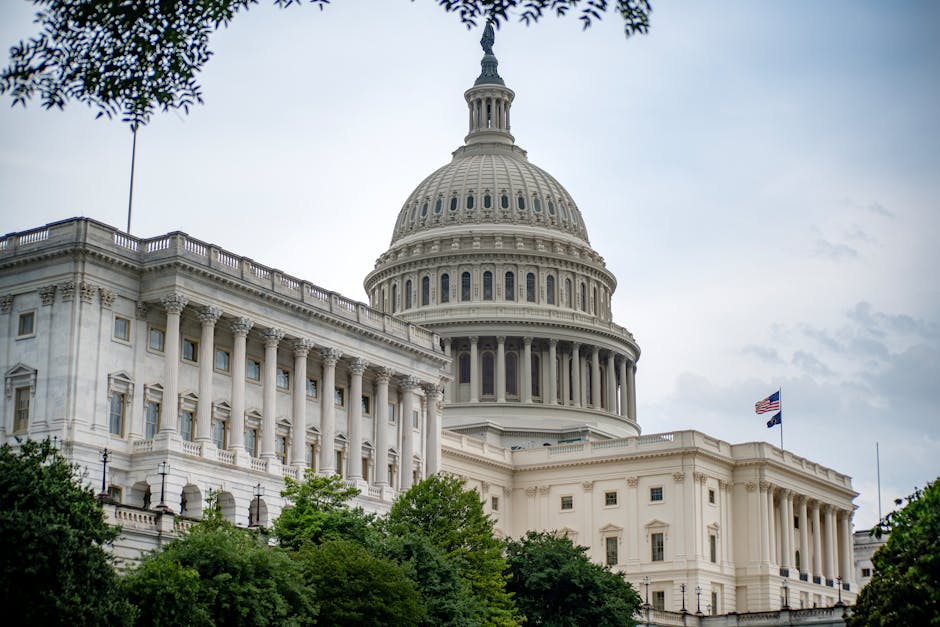
The Bipartisan American Affordability and Jobs Act faces an unusual political dynamic in which environmental organizations are opposing a bill designed to accelerate clean energy construction,...
The U.S. Senate is scheduled to take up the Bipartisan American Affordability and Jobs Act on November 9, 2026, a bill its sponsors describe as one of the most significant pieces of climate and energy infrastructure legislation to advance in the chamber in years, according to reporting by The Hill.
The bill addresses four structural barriers that have slowed the construction and grid connection of solar and wind projects: slow federal permitting timelines, an aging transmission infrastructure, litigation delays that can extend project review by multiple years, and executive branch interference in project approvals, according to The Hill's account of the legislation.
What makes the November 9 vote notable is the alignment of opposition. Environmental advocacy organizations, which have historically supported federal clean energy legislation, are publicly lining up against the bill, according to The Hill. The specific organizations and the precise reasons for their opposition were not detailed in the available source material. The full text of the bill and any committee reports would be the primary public records clarifying the objections.
The bill carries a bipartisan label, meaning it has secured co-sponsorship or stated support from members of both parties. The names of the lead sponsors and the number of co-sponsors from each party are not specified in the available source material. The official Senate co-sponsor list, available through Congress.gov, would confirm those figures.
Permitting reform has been a recurring point of legislative friction in Washington for more than a decade. Prior efforts to streamline the National Environmental Policy Act review process, shorten litigation windows, and accelerate transmission siting have repeatedly stalled, often because coalitions that agree on the destination disagree on the path. Environmental groups have previously opposed permitting reform measures on the grounds that reduced review timelines weaken environmental protections and community input, even when the projects being expedited are themselves renewable energy facilities.
The energy transmission component of the bill addresses a documented bottleneck. Grid interconnection queues across the country contain hundreds of gigawatts of proposed wind and solar projects that cannot come online because transmission capacity is unavailable or permitting for new lines has not been completed. The Federal Energy Regulatory Commission has taken administrative steps to address queue backlogs, but legislation would be required for the more structural changes the bill's sponsors appear to be proposing.
The November 9 floor vote comes in the context of a newly configured Senate following the 2026 midterm elections. As covered in prior reporting, Democrats won both chambers of Congress in the 2026 midterm elections, which affects the vote math and committee structure that will govern how the bill is managed on the floor.
The bill's title, the Bipartisan American Affordability and Jobs Act, signals that its sponsors are framing the legislation in economic terms alongside environmental ones. Whether the final vote coalition reflects genuine cross-party support or a thinner bipartisan margin is unknown. The Senate voting record, which will be publicly available through the Congressional Record following the vote, will show which members voted in favor, against, or present.
The insurance affordability question raised by a separate October 20 report, which found that homeowners insurance premiums now exceed average property-tax bills in two-thirds of U.S. Counties and have risen 45 percent in inflation-adjusted terms over the past decade according to The Hill, provides indirect economic context for the energy bill. Higher climate-related insurance costs are linked by analysts to increased frequency and severity of weather events, which is one of the conditions the bill's proponents cite as a reason to accelerate the clean energy transition. The source of the October 20 report on insurance premiums was not fully identified in the available material. The full report citation would need to be confirmed through the issuing organization's public records.
Several facts remain unknown from available source material. The specific text of the Bipartisan American Affordability and Jobs Act has not been reviewed for this report. The names of lead sponsors, the committee of jurisdiction, and any amendments filed are not confirmed. The exact organizations opposing the bill and their stated rationale are not on record from the available sources. The Congressional Record for the November 9 session and any recorded vote tally will be the definitive public documents resolving those questions.