Congress Faces Pressure to Act on Home Heating Costs Amid Iran Conflict
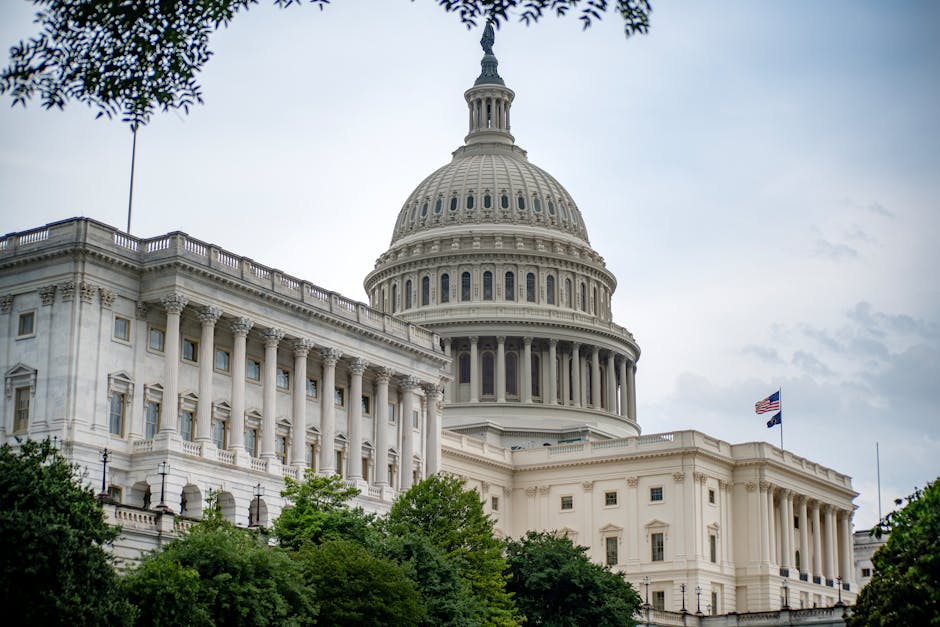
An ongoing U.S. Military engagement with Iran is intersecting with domestic energy affordability policy, placing congressional inaction on low-income heating assistance programs under increased...
Congress is facing renewed pressure to expand federal home heating assistance funding as energy prices rise in connection with the ongoing U.S. Military conflict with Iran, according to a November 2, 2026 report by Mark Wolfe published in The Guardian. Wolfe, who directs the National Energy Assistance Directors' Association, argues that legislative action is required before the winter heating season begins in earnest.
The Low Income Home Energy Assistance Program, known as LIHEAP, is the primary federal mechanism through which Congress directs funds to help lower-income households pay heating and cooling bills. The program is administered by the Department of Health and Human Services and allocated through annual appropriations. Funding levels for LIHEAP are set by Congress each fiscal year. The FY2026 enacted appropriations figures for LIHEAP are available through the HHS Office of Community Services budget documents.
Energy prices have been volatile in 2026. The U.S. Energy Information Administration's Short-Term Energy Outlook, published monthly, tracks retail heating fuel prices including natural gas, heating oil, and propane. Any EIA projections for winter 2026-2027 would be found in the agency's October or November 2026 Short-Term Energy Outlook release, which constitutes the primary public data source for household energy cost forecasting.
The U.S. Conflict with Iran carries direct implications for domestic energy prices because Iran is a significant oil-producing nation and because the Strait of Hormuz, through which a substantial share of global crude oil passes, is subject to disruption risk during periods of military tension. The EIA has historically documented the relationship between Persian Gulf supply disruptions and U.S. Retail fuel prices in its published analyses.
Wolfe's piece, as described in the RealClearWorld summary, calls on Congress to act before families face unaffordable heating bills. The specific legislative vehicle Wolfe recommends, and any companion bills currently introduced in the House or Senate, are not identified in the available source material. Congressional bill text and sponsor information would be found in the Congressional Record and on Congress.gov.
As of the date of this report, no congressional floor vote on emergency LIHEAP supplemental funding has been identified in the publicly available Congressional Record for the 120th Congress. Committee markup schedules for the relevant appropriations subcommittees, specifically the Labor, Health and Human Services, and Education subcommittees in both chambers, would reflect whether any such action is pending.
LIHEAP has historically received bipartisan support. In past fiscal years, supplemental LIHEAP appropriations have been passed on a standalone basis or attached to larger spending packages. For example, Congress passed supplemental LIHEAP funding during the 2005-2006 period following Hurricane Katrina-related energy price spikes, as documented in prior appropriations legislation. Whether analogous precedent is being invoked by current advocates is not confirmed in the available source material.
The White House position on a potential supplemental LIHEAP request has not been stated in the available source material. An official administration position would appear in a Statement of Administration Policy or in the President's supplemental budget request to Congress, neither of which has been cited in the reporting reviewed here.
For context on broader energy and legal developments, a California federal court recently blocked state fracking bans, a ruling that carries potential implications for domestic fossil fuel supply, as covered in California Judge Blocks Newsom Fracking Bans, Both 2021 and 2024 Orders.
Several material facts remain unknown from available source material. These include: the current LIHEAP appropriation level for FY2026, the specific bill number or sponsor of any emergency supplemental heating assistance legislation, the White House budget office position on additional LIHEAP spending, and the EIA's most current retail heating fuel price forecast for winter 2026-2027. The documents that would answer each of these questions are, respectively, the HHS congressional budget justification, Congress.gov legislation search results, an Office of Management and Budget Statement of Administration Policy, and the EIA Short-Term Energy Outlook for November 2026.