Japan Demands Release of Detained National from Russia's Lavrov at G20
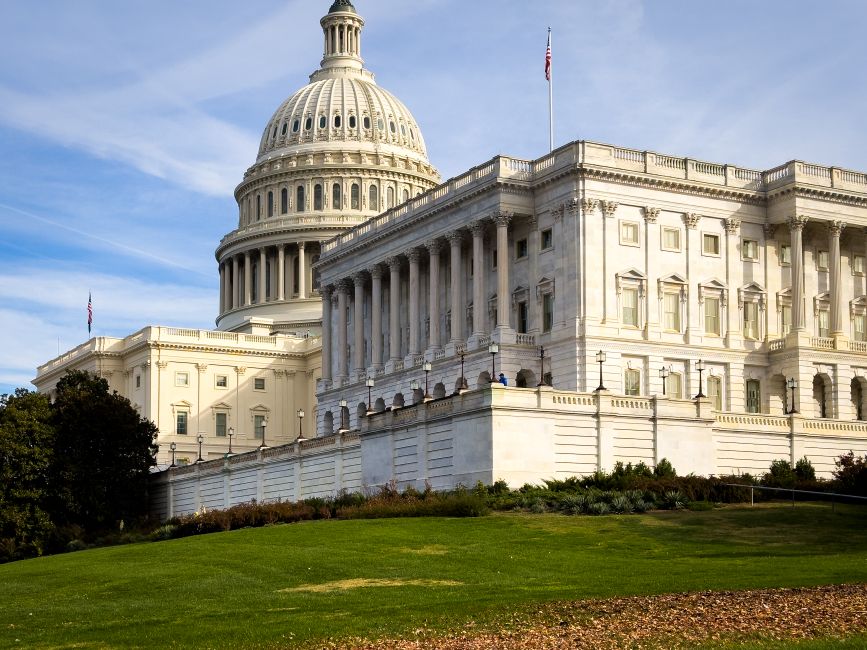
The direct ministerial demand, made at a multilateral forum, signals Tokyo is prepared to use high-level diplomatic channels to resolve individual detention cases amid the broader Russia-Ukraine...
Japanese Foreign Minister Toshimitsu Motegi met Russian Foreign Minister Sergei Lavrov on the sidelines of the G20 foreign ministers meeting in Atlanta on October 30, 2026, and formally demanded the release of a Japanese national detained in Russia's Sakhalin region, according to The Straits Times.
The Straits Times report identifies the meeting as occurring on the margins of the G20 gathering but does not name the detained individual, the specific charges Russia has leveled, or the date of the detention. Those details remain unknown; a full public accounting would require a statement from either the Japanese Foreign Ministry or Russian federal authorities.
The Sakhalin region, a Russian-administered island chain off Japan's northern coast, carries particular historical and economic sensitivity between the two countries. Japan and Russia have never signed a formal peace treaty ending World War II hostilities, a dispute rooted in Russia's 1945 seizure of the four southernmost Kuril Islands, which Japan calls the Northern Territories. That unresolved territorial question has long constrained bilateral diplomatic progress.
Sakhalin also hosts major energy infrastructure. Japanese companies held significant stakes in the Sakhalin-1 and Sakhalin-2 liquefied natural gas projects before Russia restructured both ventures in 2022 following Tokyo's alignment with Western sanctions over the invasion of Ukraine. Japan's government has had to navigate the competing pressures of energy security and alliance commitments to the United States and Europe since that period.
The choice to raise the detention issue directly with Lavrov at a G20 venue reflects a pattern in which governments use multilateral gatherings to conduct bilateral business that lacks a dedicated diplomatic forum. Japan and Russia have maintained limited formal contact since 2022, making sideline meetings at bodies such as the G20 one of the few available channels for direct engagement.
Motegi's foreign ministry portfolio includes managing relations with Moscow under conditions in which Japan has imposed sanctions and expelled Russian diplomats but has not severed ties entirely. Japan is dependent on imported energy and has sought to balance its role in the G7 sanctions coalition with its geographic proximity to Russia and historical claims over the Kuril Islands.
The detention of foreign nationals in Russia has become a documented pattern in the broader context of strained relations between Moscow and Western-aligned governments. The United States, Germany, and several other countries have negotiated releases of their own detained nationals through combinations of prisoner exchanges, back-channel diplomacy, and public pressure. Whether Japan is pursuing a similar negotiated arrangement is not stated in the available reporting.
The G20 foreign ministers meeting in Atlanta provides a venue where ministers from countries with limited bilateral dialogue, including Japan and Russia, can interact without the political cost of scheduling a dedicated bilateral summit. The United States, as host, plays a convening role but does not control the content of sideline conversations between other members.
Japan's Foreign Ministry had not issued a detailed public readout of the Motegi-Lavrov exchange as of the time of the Straits Times report. Russia's Foreign Ministry also had not publicly confirmed the content of the meeting. What either side said in response to the demand, and whether any timeline or mechanism for the detainee's release was discussed, is unknown based on currently available public records.
The case adds to a list of consular disputes between Tokyo and Moscow that have accumulated since 2022. It is not the first instance of a Japanese national being held in Russia's far east, a region where Japanese fishing vessels and their crews have historically encountered Russian coast guard enforcement actions related to contested maritime boundaries near the Kuril Islands.
Resolution of the current detention will likely depend on the state of broader Japan-Russia relations, which remain constrained by the war in Ukraine and the unresolved territorial dispute. Any change in those underlying conditions, or a private diplomatic agreement on consular access, would be the most likely indicator of whether Motegi's demand produces a concrete result.