Bresnahan and Cognetti Debate Iran, Data Centers in Pennsylvania Toss-Up Race
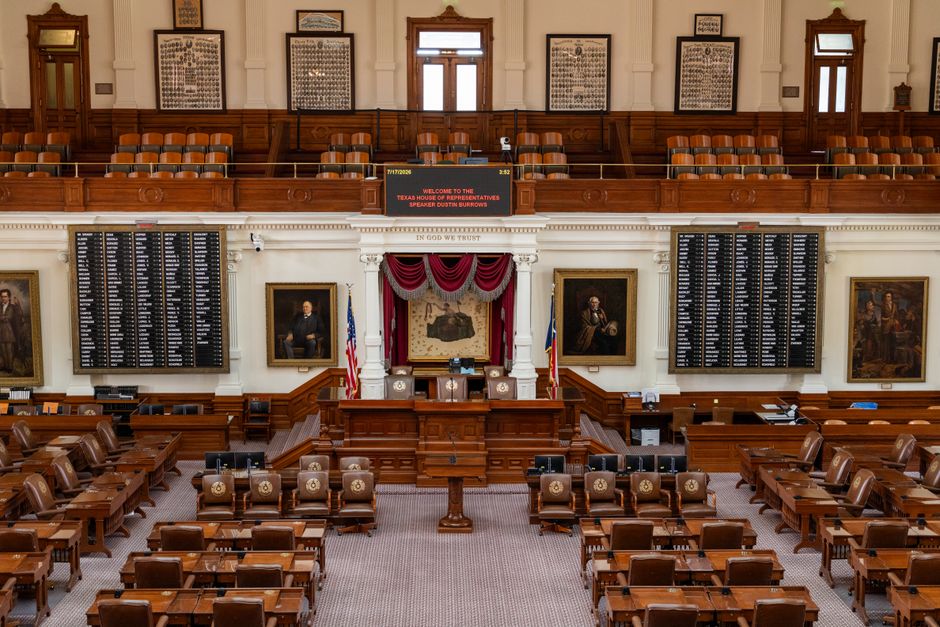
With Pennsylvania's 8th District rated a toss-up by Cook Political Report, the outcome of this race could influence the House majority margin in the 119th Congress.
Republican incumbent Rep. Rob Bresnahan and Democratic challenger Paige Cognetti met Thursday on the WVIA News debate stage to contest Pennsylvania's 8th Congressional District seat, clashing on the ongoing U.S. Military engagement with Iran, data center development in the district, and other policy questions, according to The Hill.
The Cook Political Report, a nonpartisan election forecasting organization, currently rates Pennsylvania's 8th District as a toss-up, placing it among the competitive House seats that analysts identify as capable of shifting the chamber's partisan balance.
Bresnahan, a Republican, has held the seat since winning the 2024 election. He represents a northeastern Pennsylvania district anchored by Scranton and Wilkes-Barre, two mid-sized cities that have historically leaned Democratic at the presidential level while also electing Republicans to Congress in recent cycles.
Cognetti has served as mayor of Scranton since 2020. Her candidacy marks an attempt by Democrats to reclaim a district that has changed partisan hands in recent election cycles. No public polling with disclosed methodology and a sample size sufficient for statistical reliability was cited in available reporting for this race as of October 30, 2026.
The debate touched on the war with Iran, a conflict that has drawn congressional attention across both parties regarding authorization, funding, and scope. The Congressional Times previously reported that Central Command Chief Briefs Trump on Iran Naval Blockade Status, reflecting ongoing executive branch activity on the conflict. How each candidate's stated positions on the war align with specific legislative proposals or votes, in Bresnahan's case, was not detailed in available reporting from the WVIA debate.
Data centers emerged as a second major debate topic. Northeastern Pennsylvania has seen increased interest from technology companies in siting large-scale computing infrastructure, a trend driven nationally by artificial intelligence investment and federal broadband and industrial policy. The specific data center projects referenced in the debate, their proposed locations, their economic projections, and any state or federal permitting actions associated with them were not identified in available source material. USASpending.gov and the Pennsylvania Department of Community and Economic Development would be the appropriate public records to consult for contract and permitting details.
Bresnahan's campaign finance filings with the Federal Election Commission for the 2026 cycle, including total receipts, expenditures, and major donor categories, are public record. Cognetti's FEC filings for the same cycle are also publicly available. This report does not characterize either candidate's financial position without reviewing those filings directly. Readers seeking fundraising comparisons should consult FEC.gov.
The 8th District's competitive rating means outside spending from party committees and independent expenditure groups is likely. The National Republican Congressional Committee and the Democratic Congressional Campaign Committee both file independent expenditure reports with the FEC, which would show any television, digital, or mail spending in the district. As of the date of this report, the specific amounts each committee has committed to the race are not confirmed in available source material.
Pennsylvania's 8th District outcome will be one of several competitive House races decided on November 3, 2026. The current House majority margin, and the number of seats each party needs to gain or hold to control the chamber, are factors that give toss-up districts like this one outsized influence on national legislative outcomes.
What remains unknown from available reporting: the full transcript or recording of the WVIA debate, the specific policy proposals each candidate articulated on Iran war authorization and data center permitting, and any post-debate polling conducted with a disclosed methodology. The WVIA News website and the FEC's campaign finance database would provide the most direct public record access to these questions.